Environmental Sustainability and Economic Value
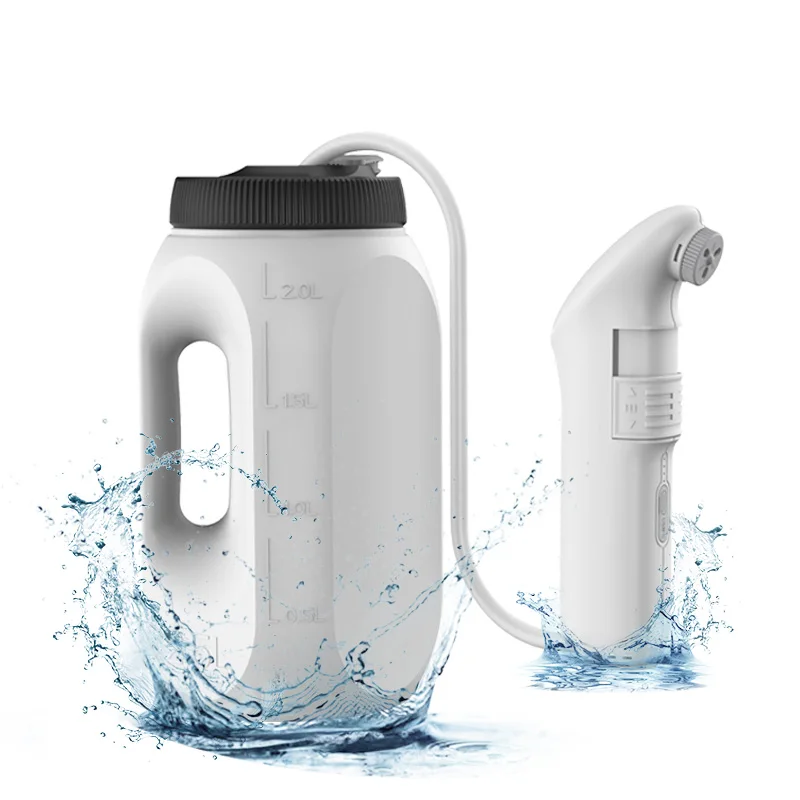
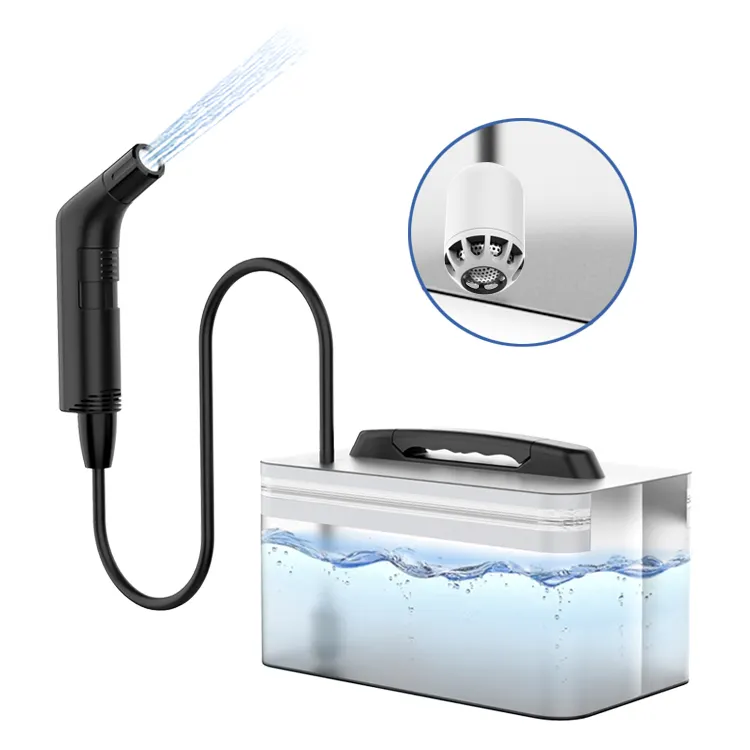
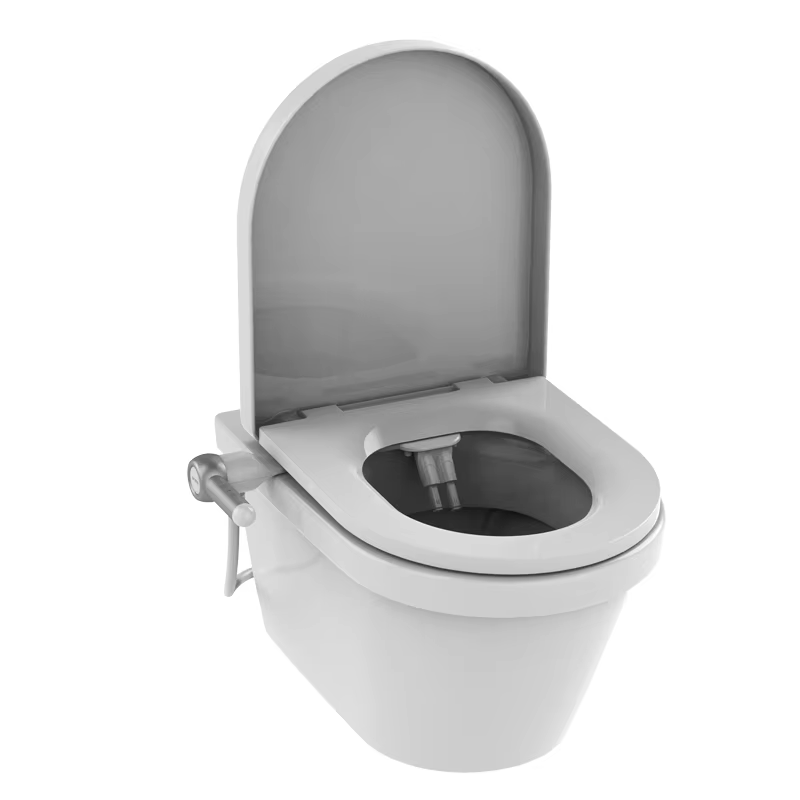
The bathroom toilet bidet represents a significant environmental advancement that reduces ecological impact while delivering substantial long-term economic benefits through reduced consumption of disposable paper products and associated manufacturing resources. Traditional toilet paper production requires extensive deforestation, with each bathroom toilet bidet installation potentially saving dozens of trees annually through dramatically reduced paper consumption needs. Water usage efficiency remains optimal despite the cleansing function, as modern bathroom toilet bidet units utilize precisely controlled spray volumes that consume less water than typical paper production processes require. Manufacturing toilet paper involves intensive chemical processing, bleaching, and energy consumption that generates significant carbon emissions, while the bathroom toilet bidet operates on minimal electrical power with renewable energy compatibility. Household economics improve substantially through toilet paper cost elimination, with typical families spending hundreds of dollars annually on paper products that the bathroom toilet bidet replaces with negligible water and electricity costs. Installation costs recover quickly through paper product savings, making the bathroom toilet bidet investment economically attractive within twelve to eighteen months of regular use. Septic system benefits include reduced solid waste accumulation that extends pumping intervals and prevents clogs associated with excessive paper disposal, saving additional maintenance costs over time. Municipal waste treatment facilities experience decreased processing loads when communities adopt bathroom toilet bidet technology, reducing infrastructure strain and associated tax burdens for local residents. The durability and longevity of quality bathroom toilet bidet installations provide decades of service life with minimal maintenance requirements, offering exceptional value compared to ongoing disposable product expenses. Energy efficiency features include programmable power management, instant heating technology, and low-consumption standby modes that minimize electrical usage while maintaining ready availability for immediate use. Packaging waste elimination represents another environmental benefit, as toilet paper purchasing generates substantial cardboard, plastic, and transportation-related pollution that the bathroom toilet bidet completely eliminates over its service lifetime. Property value enhancement occurs through bathroom toilet bidet installation, as modern homebuyers increasingly seek sustainable, luxury amenities that reduce ongoing operational costs. Corporate and commercial installations demonstrate environmental responsibility while reducing facility management expenses through decreased paper product ordering, storage, and disposal requirements that streamline operations significantly.


 EN
EN