
 EN
EN
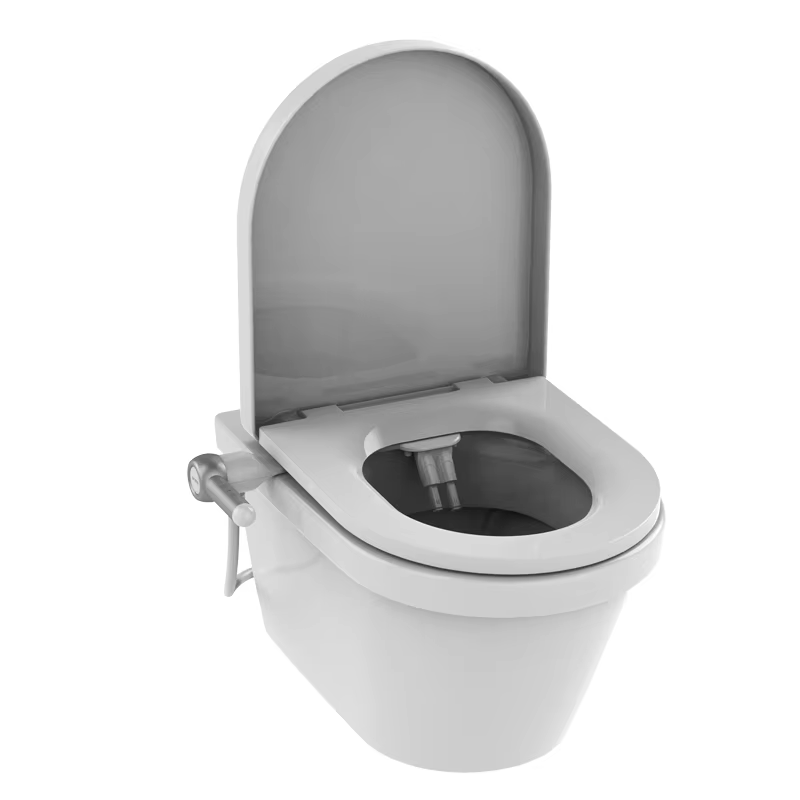
Modern bathroom hygiene has evolved significantly with the introduction of advanced cleaning solutions, and among these innovations, the toilet bidet stands out as a revolutionary addition to contemporary households. This sophisticated device combines traditional toilet functionality with bidet features, offering users an enhanced level of personal cleanliness and comfort. Understanding proper maintenance techniques for your toilet bidet ensures optimal performance, extends its lifespan, and maintains the highest standards of hygiene in your bathroom environment.
The growing popularity of toilet bidet systems reflects a global shift toward more hygienic and environmentally conscious bathroom practices. These integrated systems require specific care protocols to function effectively, and neglecting proper maintenance can lead to reduced performance, bacterial growth, and potential mechanical failures. Regular upkeep not only preserves the investment you've made in your bathroom upgrade but also ensures consistent water pressure, temperature control, and overall user satisfaction.
Essential Daily Cleaning Procedures
Surface Sanitization Techniques
Daily cleaning of your toilet bidet begins with proper surface sanitization using appropriate cleaning agents that won't damage sensitive electronic components or rubber seals. Use a mild, non-abrasive cleaner specifically designed for bathroom fixtures, applying it to a soft microfiber cloth rather than spraying directly onto the unit. Focus particular attention on the seat, control panel, and any exposed metal surfaces, ensuring thorough coverage while avoiding excessive moisture near electrical connections.
The exterior cleaning process should include wiping down the toilet bidet seat with disinfectant wipes or a diluted bleach solution, paying special attention to areas that come into direct contact with users. Clean the control panel gently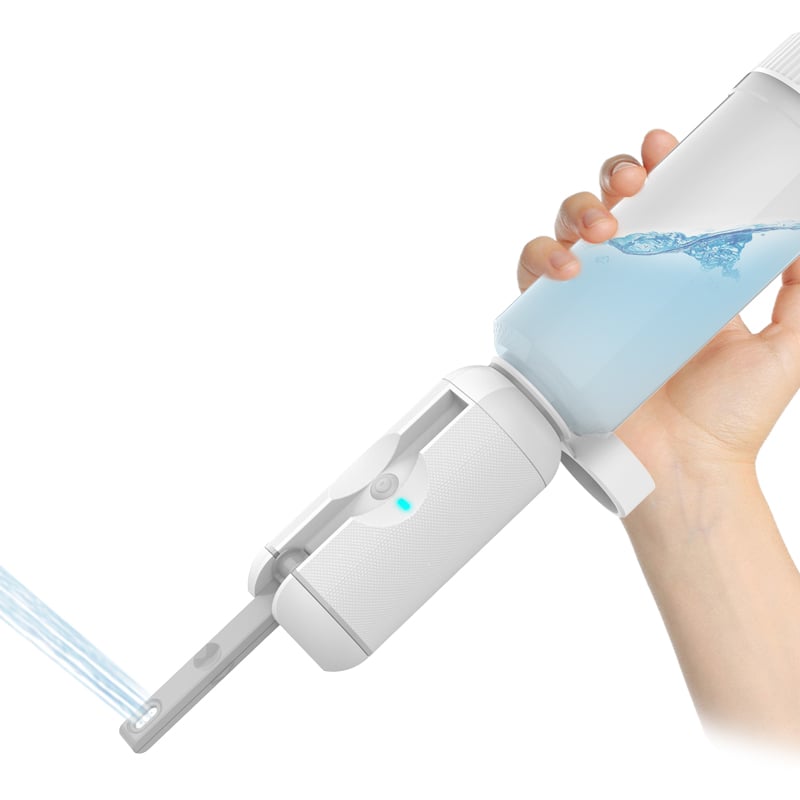 with a slightly damp cloth, ensuring no liquid seeps into button mechanisms or display screens. Always dry all surfaces completely after cleaning to prevent water spots and potential corrosion of metal components.
Nozzle Maintenance Protocol
The spray nozzles represent the most critical component of any toilet bidet system, requiring daily attention to maintain optimal hygiene and functionality. Most modern units feature self-cleaning nozzles that rinse automatically before and after each use, but manual cleaning remains essential for removing mineral deposits and preventing bacterial buildup. Activate the nozzle cleaning function daily, allowing the system to run its complete cleaning cycle.
For units without automatic nozzle cleaning, manually extend the nozzles using the control panel and gently clean them with a soft brush and mild soap solution. Retract and extend the nozzles several times during cleaning to ensure all surfaces receive proper attention. This process helps maintain consistent water pressure and spray patterns while preventing blockages that could compromise the toilet bidet performance.
Weekly Deep Cleaning Maintenance
Interior Component Access
Weekly maintenance of your toilet bidet involves accessing interior components that require more thorough cleaning than daily surface care. Begin by disconnecting the power supply and water connections according to manufacturer specifications, ensuring complete safety during the cleaning process. Remove the toilet bidet seat if possible, following the specific instructions for your model to avoid damaging mounting hardware or electrical connections.
Clean the underside of the seat thoroughly, paying particular attention to mounting brackets and connection points where debris and bacteria can accumulate. Use a disinfectant solution appropriate for the materials used in your specific toilet bidet model, avoiding harsh chemicals that could damage plastic components or corrode metal fixtures. Inspect all visible components for signs of wear, corrosion, or damage that might require professional attention.
Water Filter Replacement
Many advanced toilet bidet systems incorporate water filtration components that require regular replacement to maintain water quality and system performance. Check your unit's water filter monthly, replacing it according to manufacturer recommendations or when you notice reduced water pressure or changes in spray quality. Most filters should be replaced every 6-12 months, depending on usage frequency and local water quality conditions.
The filter replacement process typically involves accessing a compartment located either within the main unit or along the water supply line. Document the filter replacement date and type to maintain consistent maintenance schedules and ensure you're using compatible replacement components. Quality water filtration directly impacts the longevity of your toilet bidet internal components by reducing mineral buildup and corrosion.
Monthly System Maintenance
Water Pressure Calibration
Monthly calibration of water pressure settings ensures your toilet bidet maintains consistent performance across all spray functions. Test each spray setting at various pressure levels, noting any irregularities in water flow, temperature consistency, or spray pattern uniformity. Inconsistent pressure may indicate nozzle blockages, filter problems, or internal component issues requiring immediate attention.
Document baseline pressure readings for future reference, creating a maintenance log that tracks performance changes over time. This systematic approach helps identify developing problems before they become serious malfunctions, potentially saving significant repair costs and ensuring uninterrupted service from your toilet bidet system.
Electrical Connection Inspection
Monthly inspection of electrical connections and components helps prevent safety hazards and ensures reliable operation of electronic toilet bidet features. Examine all visible wiring for signs of wear, corrosion, or damage, paying particular attention to connections near water sources or high-humidity areas. Check that all electrical connections remain secure and that no water has penetrated electrical enclosures.
Test all electronic functions systematically, including heated seat operation, water temperature control, air dryer functionality, and any additional features specific to your toilet bidet model. Document any irregularities or performance changes that might indicate developing electrical problems requiring professional evaluation.
Seasonal Maintenance Considerations
Winter Weather Precautions
Cold weather presents unique challenges for toilet bidet maintenance, particularly in regions where freezing temperatures might affect water lines or electronic components. Ensure adequate bathroom heating to prevent water freezing within internal components, which could cause significant damage to pumps, valves, and spray nozzles. Consider insulating exposed water supply lines if your installation includes external plumbing connections.
Monitor toilet bidet performance more frequently during winter months, as cold temperatures can affect electronic component responsiveness and water heating efficiency. Adjust temperature settings as needed to maintain comfortable operation while avoiding excessive energy consumption during heating system operation.
Summer Humidity Management
High humidity levels during summer months can create conditions conducive to mold and bacteria growth around toilet bidet components. Increase cleaning frequency during humid periods, paying particular attention to areas where condensation might accumulate. Ensure adequate bathroom ventilation to minimize moisture buildup that could affect electronic components or promote bacterial growth.
Consider using moisture-absorbing products near your toilet bidet installation during particularly humid periods, but ensure these products don't interfere with normal operation or create additional cleaning requirements. Regular air circulation helps maintain optimal conditions for both performance and hygiene.
Troubleshooting Common Issues
Water Flow Problems
Reduced water flow represents one of the most common toilet bidet maintenance issues, typically caused by mineral deposits in nozzles, filter blockages, or water pressure fluctuations. Begin troubleshooting by checking the water supply valve position and ensuring adequate household water pressure. Clean or replace water filters if flow reduction affects all spray functions equally.
For nozzle-specific flow problems, perform extended cleaning cycles and manually clean nozzle openings with appropriate tools. Mineral deposits from hard water can gradually reduce nozzle efficiency, requiring more aggressive cleaning techniques or professional service to restore full functionality to your toilet bidet system.
Temperature Control Malfunctions
Temperature control issues in toilet bidet systems often stem from heating element problems, thermostat malfunctions, or sensor failures. Test temperature consistency across different settings, noting any delays in heating response or inability to reach desired temperatures. Check that ambient bathroom temperature isn't affecting system performance, as extreme conditions can impact heating efficiency.
Document temperature performance patterns to help professional technicians diagnose complex problems if simple troubleshooting doesn't resolve the issue. Consistent temperature control represents a critical comfort feature that significantly impacts user satisfaction with toilet bidet functionality.
Professional Maintenance Services
Annual Service Inspections
Professional annual maintenance inspections provide comprehensive evaluation of toilet bidet systems beyond what typical homeowner maintenance can accomplish. Qualified technicians can access internal components, test electronic systems thoroughly, and identify potential problems before they cause significant malfunctions. Schedule annual service calls with authorized repair centers familiar with your specific toilet bidet model.
Professional inspections typically include complete disassembly and cleaning of internal components, replacement of wear items, calibration of electronic systems, and comprehensive testing of all functions. This investment in professional maintenance significantly extends system lifespan and maintains optimal performance standards.
Warranty Maintenance Requirements
Many toilet bidet manufacturers require specific maintenance procedures to maintain warranty coverage, making professional service not just beneficial but necessary for warranty protection. Review your warranty documentation to understand required maintenance intervals and approved service providers. Failure to follow manufacturer maintenance requirements could void warranty coverage for expensive repairs.
Maintain detailed records of all professional maintenance services, including service dates, work performed, and parts replaced. This documentation proves compliance with warranty requirements and provides valuable maintenance history for future service needs or warranty claims related to your toilet bidet system.
FAQ
How often should I clean my toilet bidet nozzles?
Toilet bidet nozzles should be cleaned daily using the automatic cleaning cycle if available, with manual cleaning performed weekly for thorough maintenance. Daily cleaning helps prevent bacterial buildup and mineral deposits that can affect spray quality and hygiene. For households with multiple users or hard water conditions, consider increasing cleaning frequency to maintain optimal performance and cleanliness standards.
What cleaning products are safe for toilet bidet maintenance?
Use mild, non-abrasive cleaners specifically designed for bathroom fixtures, avoiding harsh chemicals like ammonia, bleach-based products, or abrasive cleaners that could damage electronic components or plastic surfaces. Gentle dish soap diluted in warm water works effectively for most cleaning tasks, while specialized bidet cleaning products offer optimal compatibility with sensitive components found in modern toilet bidet systems.
Can I perform toilet bidet maintenance myself or should I hire professionals?
Basic daily and weekly toilet bidet maintenance can be performed by homeowners following manufacturer guidelines, including surface cleaning, nozzle maintenance, and filter replacement. However, annual professional inspections and any repairs involving electrical components or internal mechanisms should be handled by qualified technicians to ensure safety and maintain warranty coverage for your toilet bidet investment.
What are signs that my toilet bidet needs professional repair?
Contact professional repair services if you notice persistent water leaks, electrical malfunctions, unusual noises during operation, inconsistent water temperature or pressure, or any error codes displayed on your toilet bidet control panel. Additionally, if routine maintenance doesn't resolve performance issues or if you're uncomfortable performing any maintenance procedures, professional service ensures safe and effective problem resolution.