
 EN
EN
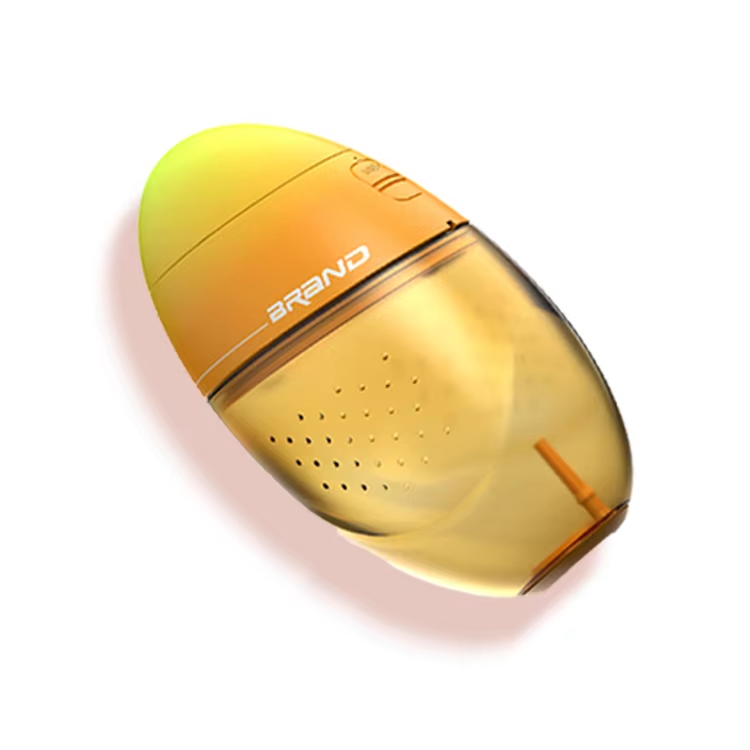
Modern homeowners are increasingly seeking innovative solutions to enhance their daily hygiene routines without the expense and complexity of major bathroom renovations. The handheld bidet has emerged as a practical, affordable alternative that transforms any standard toilet into a more hygienic and comfortable experience. This portable hygiene device offers the benefits of traditional bidet functionality while maintaining the flexibility and convenience that today's busy households demand. Unlike fixed bidet installations that require significant plumbing modifications, a handheld bidet provides immediate accessibility and can be easily integrated into existing bathroom setups without professional installation or structural changes.
Understanding Handheld Bidet Technology and Design
Core Components and Functionality
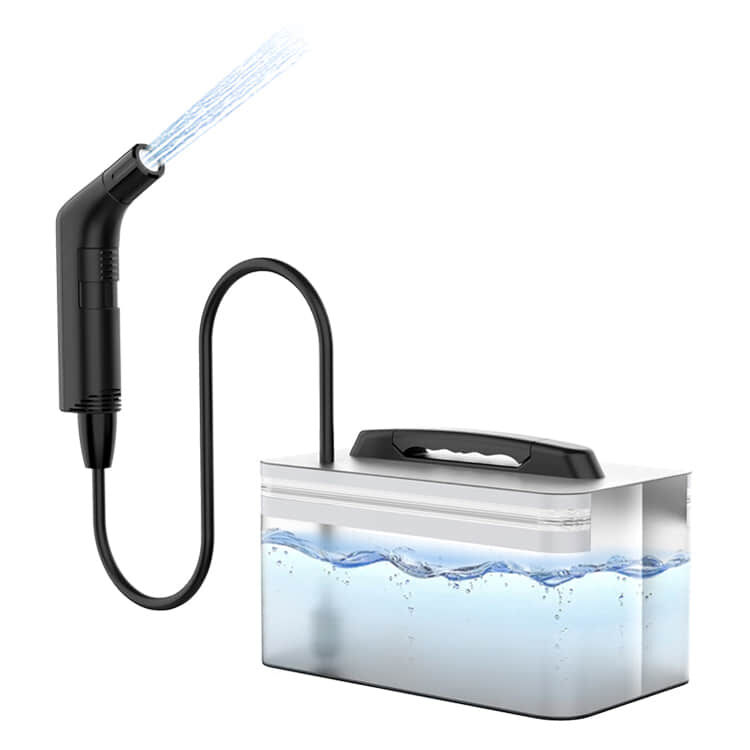
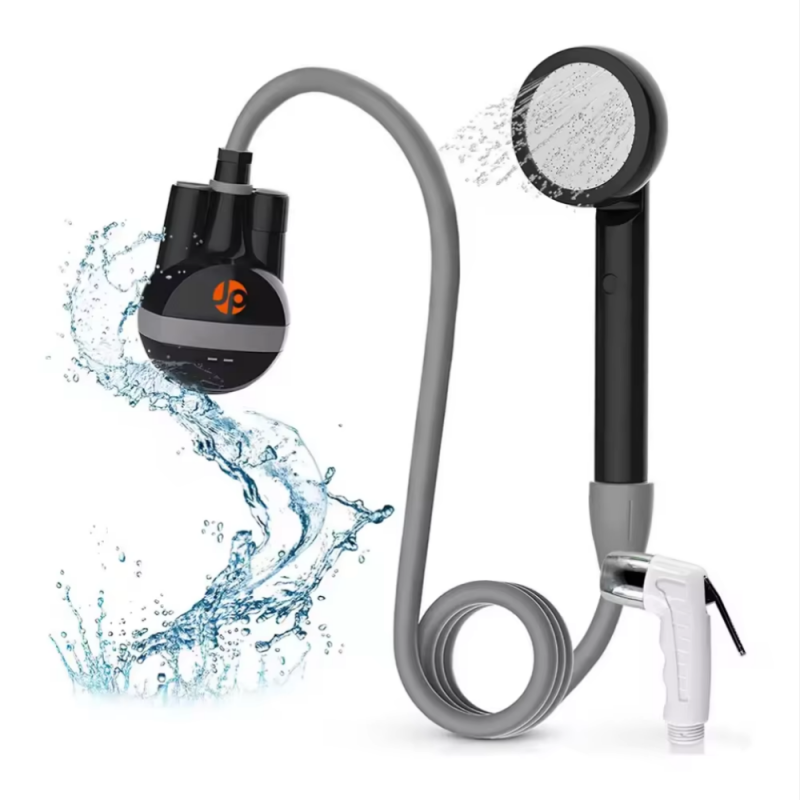
A handheld bidet operates through a simple yet effective mechanism that delivers controlled water pressure for personal cleansing. The device typically consists of a spray nozzle, pressure control system, and water supply connection that can be attached to existing toilet water lines or operated independently. Most modern handheld bidet models feature adjustable spray patterns and pressure settings, allowing users to customize their cleansing experience according to personal preferences and specific hygiene needs. The ergonomic design ensures comfortable grip and precise directional control during use.
Advanced handheld bidet models incorporate multiple spray modes, including gentle mist settings for sensitive areas and more focused streams for thorough cleaning. The nozzle design often includes self-cleaning features that activate before and after each use, maintaining optimal hygiene standards. Temperature control mechanisms in premium models allow users to adjust water warmth, creating a more comfortable and spa-like experience. These technological enhancements make the handheld bidet an increasingly sophisticated personal hygiene tool that rivals traditional bathroom fixtures in functionality and user satisfaction.
Installation and Setup Requirements
Installing a handheld bidet requires minimal technical expertise and can typically be completed within thirty minutes using basic household tools. The installation process involves connecting the device to the toilet's water supply line through a T-valve or direct attachment system. Most handheld bidet models come with comprehensive installation kits that include all necessary fittings, hoses, and mounting brackets. The connection process preserves the existing toilet functionality while adding the bidet capability as a supplementary feature.
The mounting system for a handheld bidet usually includes a wall bracket or toilet-side holster that keeps the device easily accessible when not in use. Some models feature magnetic mounting systems or clip-on attachments that provide secure storage without permanent bathroom modifications. The flexible hose length typically ranges from three to five feet, offering sufficient reach and maneuverability for comfortable use. This installation simplicity makes the handheld bidet an ideal solution for renters or homeowners who prefer non-permanent bathroom enhancements.
Health and Hygiene Benefits of Handheld Bidets
Superior Cleansing Effectiveness
The primary advantage of using a handheld bidet lies in its superior cleansing capability compared to traditional toilet paper methods. Water-based cleaning removes bacteria and residue more effectively than dry wiping, reducing the risk of infections and irritation. Medical professionals often recommend bidet use for individuals with sensitive skin conditions, hemorrhoids, or other anal-rectal health concerns. The gentle water pressure provides thorough cleaning without the abrasive action that can occur with excessive toilet paper use.
Regular use of a handheld bidet can significantly reduce the occurrence of urinary tract infections, particularly in women, by ensuring complete removal of harmful bacteria from sensitive areas. The device allows for precise targeting of specific areas, ensuring comprehensive cleaning that might be difficult to achieve with conventional methods. Additionally, the ability to control water pressure and direction makes the handheld bidet suitable for users with mobility limitations or physical conditions that make traditional wiping challenging or uncomfortable.
Environmental and Economic Impact
Adopting a handheld bidet in household routines creates substantial environmental benefits by dramatically reducing toilet paper consumption. The average household can decrease toilet paper usage by up to seventy percent when incorporating regular bidet use into their hygiene routine. This reduction translates to fewer trees harvested for paper production, reduced water consumption in manufacturing processes, and decreased packaging waste entering landfills. The environmental impact extends to reduced chemical usage in paper bleaching and processing.
From an economic perspective, the handheld bidet offers excellent long-term value through reduced recurring expenses. While the initial investment is modest, typically ranging from thirty to one hundred dollars, the ongoing savings in toilet paper purchases can recover this cost within six to twelve months for most households. Premium models may require higher upfront investment but often include extended warranties and enhanced features that provide years of reliable service. The durability of quality handheld bidet units ensures continued savings over extended periods.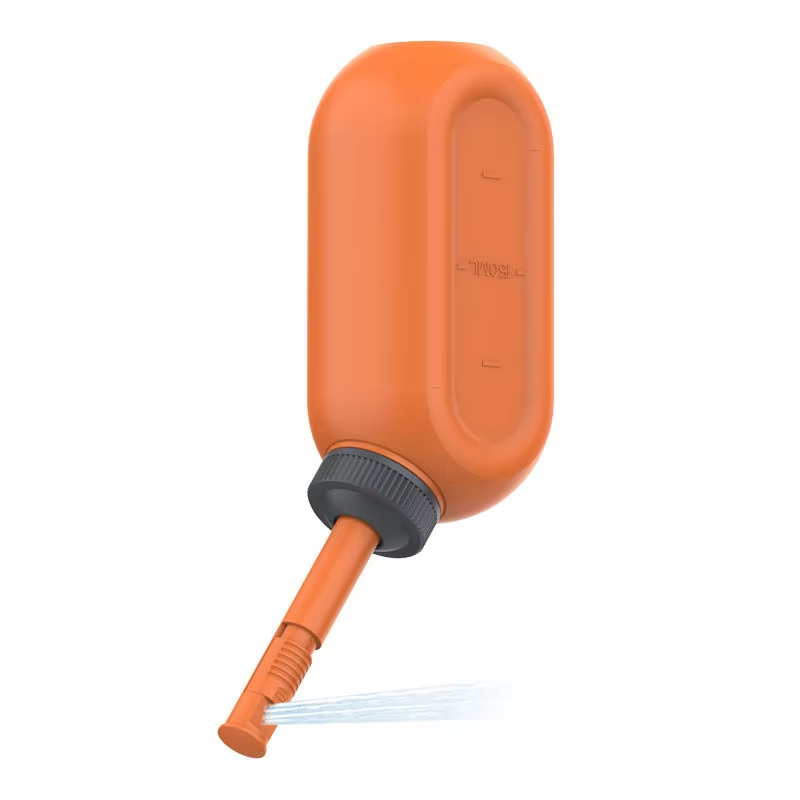
Practical Applications and User Scenarios
Family Household Integration
Families with children find the handheld bidet particularly valuable for teaching proper hygiene habits and ensuring thorough cleaning for young family members. The device simplifies the cleaning process for parents assisting small children while encouraging independence as children grow older. Many pediatric healthcare providers recommend bidet use for children with sensitive skin or those prone to diaper rash and related irritation. The gentle cleaning action helps maintain skin health without harsh rubbing or chemical exposure from wet wipes.
For households with elderly family members or individuals with mobility challenges, the handheld bidet provides essential dignity and independence in personal hygiene routines. The ergonomic design and adjustable features accommodate various physical limitations while ensuring effective cleaning. Caregivers also benefit from the device's efficiency in maintaining hygiene standards for those requiring assistance. The reduced need for extensive manual cleaning decreases physical strain on both users and caregivers.
Special Circumstances and Medical Applications
Individuals recovering from surgical procedures, particularly those involving the anal or genital areas, often receive medical recommendations to use gentle water cleansing instead of toilet paper. The handheld bidet provides the precise control and gentle pressure necessary for maintaining hygiene during healing periods without causing additional irritation or discomfort. Postpartum women frequently find bidet use essential for comfortable and effective cleansing during recovery, especially when dealing with episiotomy healing or cesarean section recovery protocols.
People with chronic conditions such as inflammatory bowel disease, Crohn's disease, or chronic diarrhea benefit significantly from the soothing and thorough cleaning provided by handheld bidet use. The device allows for frequent cleaning without the skin irritation that can result from repeated toilet paper use. Additionally, individuals with limited hand mobility due to arthritis or other conditions find the handheld bidet easier to maneuver than traditional wiping methods, maintaining personal independence and hygiene standards.
Comparing Handheld Bidets to Alternative Solutions
Traditional Fixed Bidet Systems
While traditional fixed bidets offer comprehensive hygiene solutions, they require significant bathroom space and expensive plumbing modifications that many homeowners cannot accommodate. Fixed bidet installations typically cost several thousand dollars including professional plumbing work, making them inaccessible for budget-conscious households. In contrast, the handheld bidet provides similar hygiene benefits with minimal space requirements and installation complexity. The portability factor allows users to maintain their preferred hygiene routine even when traveling or in temporary accommodations.
Fixed bidets also present accessibility challenges for individuals with mobility limitations, as they require transferring between toilet and bidet for complete hygiene routines. The handheld bidet eliminates this inconvenience by providing all cleansing capabilities from a single seated position. Maintenance requirements for traditional bidets include regular professional servicing and potential repair costs, while handheld bidet maintenance involves simple cleaning and occasional part replacement at significantly lower costs.
Bidet Toilet Seats and Attachments
Electric bidet toilet seats offer automated features and consistent performance but require electrical connections and typically cost several hundred to over a thousand dollars. These units also have specific toilet compatibility requirements that may necessitate toilet replacement in some cases. The handheld bidet provides manual control that many users prefer, along with universal compatibility with virtually any standard toilet configuration. The absence of electrical components eliminates concerns about power failures, electrical safety in wet environments, and complex electronic troubleshooting.
Non-electric bidet attachments that mount under toilet seats offer some convenience but provide limited adjustability and control compared to handheld bidet options. The fixed positioning of attachment nozzles may not accommodate all users comfortably, particularly those with mobility limitations or specific anatomical considerations. Handheld bidet flexibility allows users to adjust angle, distance, and targeting with complete precision, ensuring optimal cleaning effectiveness for every individual regardless of physical characteristics or limitations.
Maintenance and Longevity Considerations
Regular Cleaning and Care Protocols
Maintaining optimal performance and hygiene standards for a handheld bidet requires establishing simple yet consistent cleaning routines. Daily maintenance involves rinsing the nozzle with clean water after each use and wiping the exterior surfaces with a mild disinfectant solution. Weekly deep cleaning should include dismantling removable components according to manufacturer instructions and soaking them in antibacterial solutions. This regular maintenance prevents mineral buildup, bacterial growth, and ensures continued optimal spray performance.
The internal water pathways of a handheld bidet require periodic descaling, particularly in areas with hard water conditions. Using white vinegar solutions or specialized descaling products helps remove mineral deposits that can affect spray pressure and pattern consistency. Most quality handheld bidet models include detailed maintenance guides with recommended cleaning schedules and approved cleaning products. Following these protocols ensures years of reliable service and maintains the hygiene benefits that make the device valuable for household use.
Component Replacement and Upgrades
Quality handheld bidet manufacturers typically offer replacement parts for key components such as spray nozzles, hoses, and mounting brackets. This serviceability extends the useful life of the device significantly beyond the initial purchase period. Common replacement needs include worn O-rings, clogged spray tips, or damaged connecting hoses, all of which can be addressed with readily available parts at reasonable costs. The modular design of most handheld bidet systems facilitates easy component replacement without requiring complete device replacement.
As technology advances, many handheld bidet users choose to upgrade to newer models with enhanced features while retaining existing mounting hardware and connections. This upgrade path provides access to improved spray patterns, better ergonomics, or additional temperature control features without starting the installation process from scratch. The investment protection offered by this upgradeability makes the handheld bidet a smart long-term choice for households committed to enhanced hygiene standards and environmental responsibility.
FAQ
How difficult is it to install a handheld bidet in an existing bathroom
Installing a handheld bidet typically takes thirty minutes or less and requires only basic household tools like adjustable wrenches and plumbers tape. The installation connects to existing toilet water supply lines through a T-valve fitting that redirects some water to the bidet while maintaining normal toilet function. Most models include complete installation kits with step-by-step instructions, making professional plumbing assistance unnecessary for the majority of standard toilet configurations.
Can a handheld bidet be used by people with mobility limitations
Yes, handheld bidet devices are particularly beneficial for individuals with mobility challenges, arthritis, or other conditions that make traditional wiping difficult. The ergonomic design and adjustable spray settings accommodate various physical limitations while providing thorough cleaning from a seated position. Many users with mobility impairments find the handheld bidet easier to maneuver than toilet paper, and caregivers appreciate the efficiency and effectiveness for assisting others with hygiene needs.
What ongoing maintenance does a handheld bidet require
Regular handheld bidet maintenance involves daily rinsing after use, weekly deep cleaning of removable components, and periodic descaling to prevent mineral buildup. Most maintenance tasks use common household items like white vinegar and mild disinfectants. The simple design means fewer mechanical components that could require repair, and most quality models offer replacement parts for components that may wear over time, extending the device's useful life considerably.
How much water does a handheld bidet use compared to toilet paper production
A typical handheld bidet uses approximately one-eighth of a gallon of water per use, while producing the toilet paper for a single bathroom visit requires several gallons of water during manufacturing processes. Additionally, bidet use eliminates the environmental impact of paper production, including tree harvesting, chemical processing, and transportation emissions. Most households see significant environmental benefits and cost savings within the first year of regular handheld bidet use through reduced toilet paper consumption.