
 EN
EN
For commercial campsite operators, RV rental fleets, and outdoor gear distributors, evaluating capital expenditure (CapEx) against long-term operational costs is fundamental to driving profitability. When providing water access in off-grid environments, procurement teams face a crucial decision: invest heavily in traditional fixed outdoor showers or deploy modern, battery-powered portable outdoor showers.
While built-in plumbing infrastructure has long been the default choice for permanent resorts, the high cost of subterranean piping, municipal permits, and ongoing maintenance severely limits return on investment (ROI). Today, commercial operators and outdoor retailers are increasingly turning to a portable shower system or rechargeable electric shower as a plug-and-play alternative. By replacing rigid infrastructure with a versatile portable outdoor shower setup, B2B buyers can eliminate installation barriers, reduce maintenance liabilities, and maximize profit margins.
The True Total Cost of Ownership of Fixed Outdoor Showers
Building permanent wash facilities in remote or off-grid locations presents significant financial and logistical challenges for business operators:
· Extensive Civil Construction Costs: Installing permanent plumbing requires trenching subterranean water lines, connecting to septic systems, pouring concrete pads, and erecting weather-resistant enclosures. Initial civil work easily reaches several thousand dollars per shower unit.
· Regulatory and Permit Obstacles: Permanent structures frequently require municipal building approvals, environmental impact assessments, and local plumbing inspections, delaying project execution by weeks or months.
· Winterization and Seasonal Degradation: In colder climates, fixed pipes must be drained and winterized to prevent burst lines. Residual moisture, freezing temperatures, and constant UV exposure cause rapid corrosion, scale accumulation, and pipe degradation over time.
For temporary glamping sites, seasonal RV parks, or pop-up outdoor event venues, these fixed installation expenditures create a prolonged payback period that eats into operational cash flow.
Financial Advantages of a Portable Shower System
Transitioning to a commercial-grade portable shower system or rechargeable electric shower completely changes the financial dynamic by converting heavy capital investments into flexible operational assets.
Zero Construction and Immediate Deployment
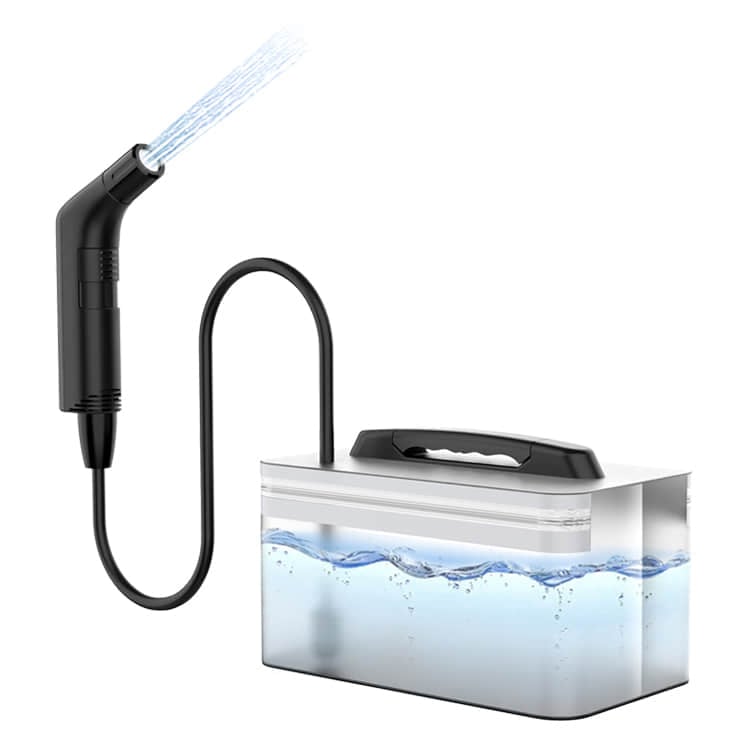
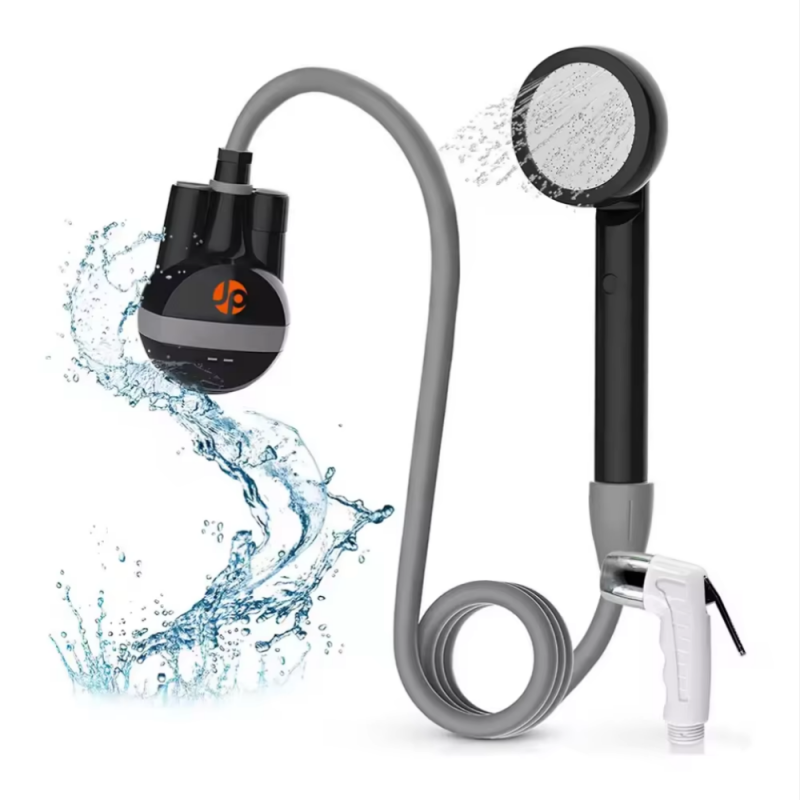
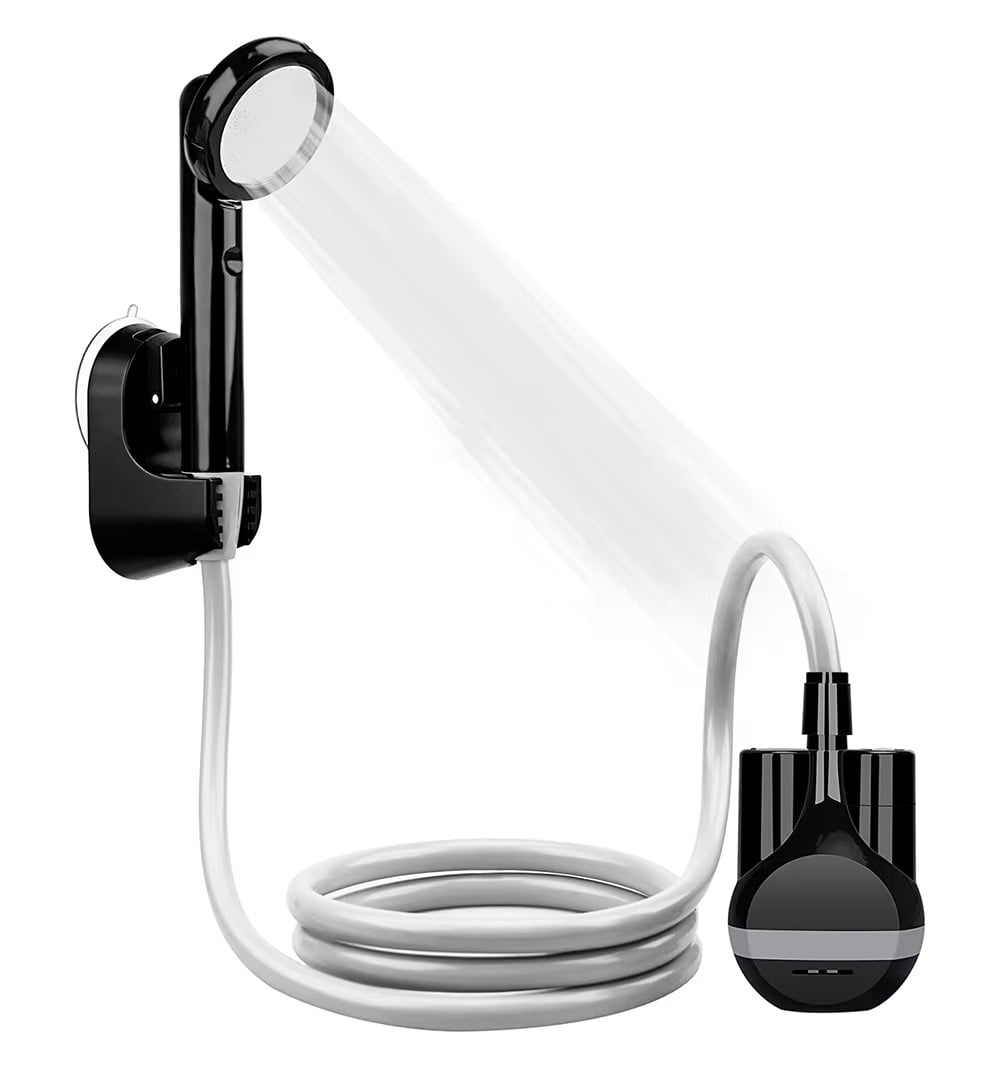
A portable outdoor shower powered by a 3.7V USB rechargeable submersible pump requires no plumbing, no electrical wiring, and zero municipal permits. Operators simply submerge the motorized pump into a water source—such as a collapsible water bucket or storage tank—and activate the system. This allows campsite operators and RV fleet managers to deploy hundreds of functional wash stations in minutes at a fraction of the cost.
Year-Round Asset Protection
Unlike fixed pipes exposed to freezing winter conditions, compact portable shower system units can be cleaned, dried, and stored indoors during the off-season. This eliminates pipe freeze risks, extends product lifespan, and significantly lowers ongoing maintenance budgets.
High ROI for Retailers and Rental Fleets
For outdoor accessory distributors and RV outfitters, stocking a compact rechargeable electric shower taps into high consumer demand for off-grid convenience. Offering an all-in-one mobile wash kit provides an accessible, high-margin SKU with minimal shelf footprint and low logistics costs.
Regulatory Standards and Manufacturing Compliance
Commercial procurement requires absolute confidence in product safety, waterproof integrity, and electrical compliance. When sourcing a portable outdoor shower or rechargeable electric shower for international distribution, B2B buyers must partner with manufacturers whose facilities and products adhere to recognized global standards.
Electrical and Hazardous Material Certification
Because electric submersible pumps operate under full water immersion, strict electrical compliance protects both users and distributors from liability:
· CE and FCC Certification: Validates electromagnetic compatibility and guarantees that internal circuitry meets European Union and North American consumer safety guidelines.
· RoHS and REACH Compliance: Ensures that structural plastics, rubber hoses, and internal seals contain no hazardous heavy metals or restricted phthalates.
Battery Safety for International Logistics
Powering a portable shower system with an internal 3.7V lithium-ion battery requires certified transport documentation:
· UN38.3 Testing: Proves the battery pack withstands extreme pressure, thermal shocks, and vibration during transit.
· MSDS Documentation: Guarantees full compliance for air and ocean freight customs clearance, avoiding transport delays.
Factory Quality Assurance
Partnering with an OEM/ODM manufacturer certified under ISO 9001 ensures standardized quality control throughout production. ISO 9001 factories enforce rigorous IPX8 waterproof testing on all submersible pumps, ensuring long-term motor sealing, reliable pressure output, and near-zero defect rates.
Overcoming Performance Limitations in Portable Systems
Commercial buyers historically hesitated to adopt portable equipment due to concerns over weak water flow or fragile battery life. Engineering innovations in modern rechargeable electric shower units directly resolve these operational drawbacks:
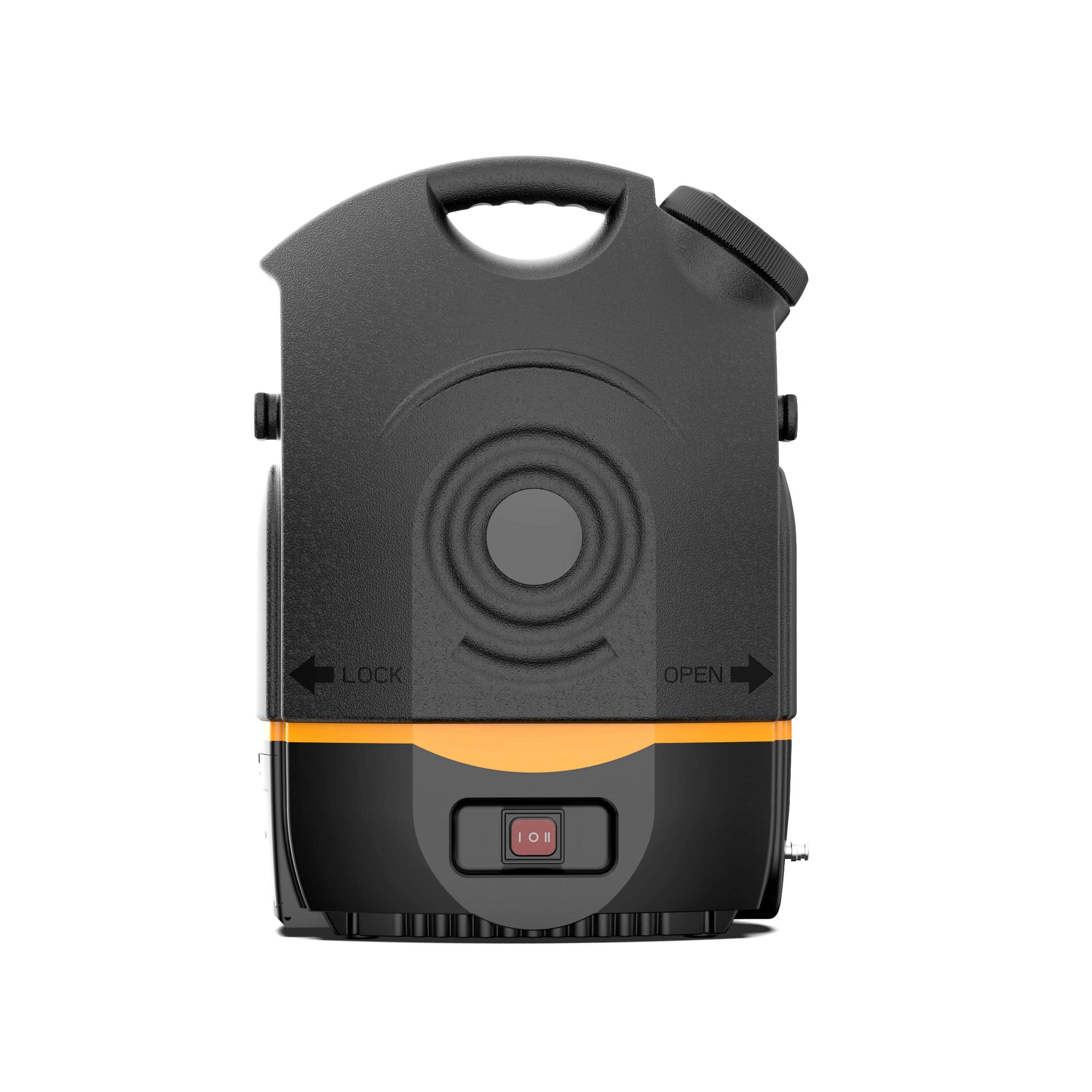
· High-Pressure Submersible Motor: Advanced 3.7V motors generate steady, pressurized water flow comparable to residential shower heads, eliminating the weak flow associated with traditional gravity-fed solar shower bags.
· Extended Lithium-Ion Battery Life: High-capacity rechargeable batteries deliver 45 to 60 minutes of continuous operation per charge, supplying multiple wash cycles for campers, pet rinsing, or gear cleaning.
· Corrosion-Resistant Materials: Built with impact-resistant ABS plastics and rust-proof internal components, modern units withstand frequent exposure to saltwater, mud, and harsh outdoor environments.
Driving B2B Growth with Modular Wash Solutions
Comparing a traditional fixed outdoor shower to a modern portable shower system highlights a clear shift in commercial strategy. By adopting a flexible, rechargeable electric shower infrastructure, commercial operators eliminate heavy construction fees, reduce seasonal maintenance liabilities, and maximize cash flow.
Collaborating with a dedicated manufacturer backed by ISO 9001 quality management, IPX8 waterproof testing, and comprehensive CE, FCC, and UN38.3 certifications gives B2B importers and brand owners a distinct competitive edge in the rapidly expanding off-grid and outdoor gear markets.