
 EN
EN
Wine enthusiasts understand that proper aeration can dramatically transform the taste and aroma of their favorite bottles. A quality wine aerator serves as an essential tool for unlocking the full potential of wines, particularly those with complex tannin structures and bold flavors. When selecting the perfect wine aerator for your collection, understanding the key features that distinguish exceptional models from mediocre alternatives becomes crucial for making an informed purchasing decision.
The modern wine market offers numerous aeration solutions, ranging from simple handheld devices to sophisticated electric models with advanced functionality. Each wine aerator design addresses specific needs and preferences, whether you're hosting elegant dinner parties or enjoying casual evening tastings. Professional sommeliers and casual wine lovers alike recognize that the right wine aerator can enhance flavor profiles, reduce harsh tannins, and create a more enjoyable drinking experience across various wine styles and vintages.
Essential Design Elements for Optimal Performance
Venturi Valve Technology Integration
Advanced wine aerator models incorporate sophisticated venturi valve systems that create precise air-to-wine ratios during the aeration process. This technology ensures consistent oxygenation by drawing atmospheric air through carefully engineered chambers as wine flows through the device. The venturi effect maximizes surface area contact between wine and oxygen, accelerating the natural breathing process that typically requires hours when using traditional decanting methods.
Professional-grade wine aerator designs feature multiple air intake points strategically positioned to optimize turbulence and mixing efficiency. These advanced systems prevent over-aeration while ensuring adequate oxygen exposure for different wine varietals. The precision engineering behind venturi valve technology represents a significant advancement over basic pour-through models, delivering restaurant-quality results in residential settings.
Material Quality and Durability Standards
Premium wine aerator construction utilizes food-grade materials that resist staining, odor retention, and chemical interactions with wine compounds. Stainless steel components offer superior durability and easy maintenance, while BPA-free plastics provide lightweight alternatives without compromising safety or performance. The material selection directly impacts the wine aerator longevity and its ability to maintain consistent aeration quality over extended use periods.
High-quality wine aerator models feature seamless construction techniques that eliminate potential contamination points and facilitate thorough cleaning procedures. The surface finish quality affects both aesthetic appeal and functional performance, as smooth surfaces prevent wine residue accumulation and bacterial growth. Manufacturers who prioritize material excellence often provide extended warranties, demonstrating confidence in their wine aerator durability and performance standards.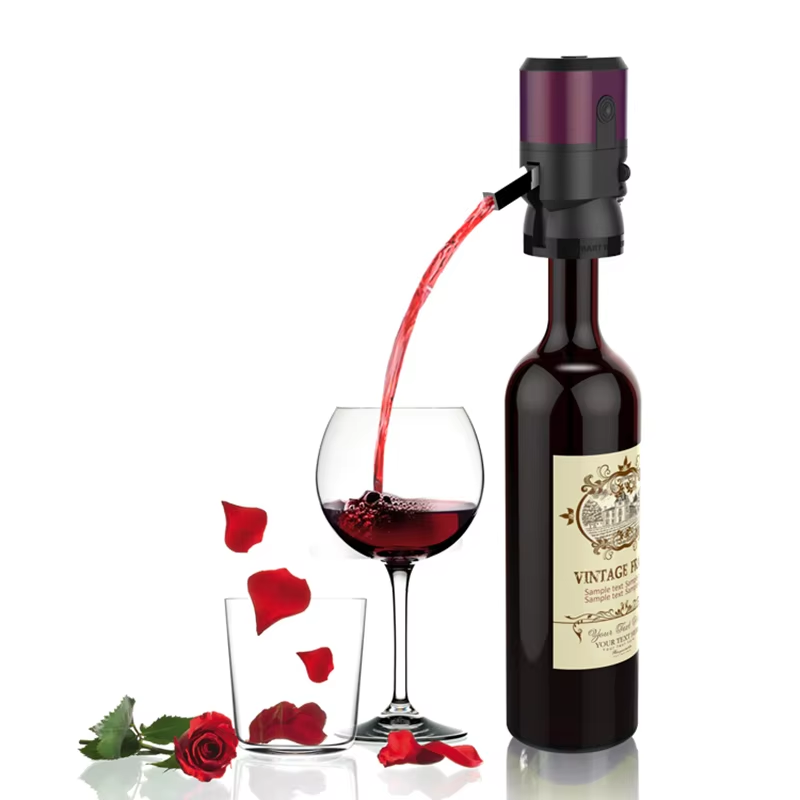
Advanced Functionality Features
Electric Operation and Automation Benefits
Electric wine aerator systems revolutionize the traditional aeration process by providing consistent, automated operation that eliminates manual effort and potential spillage risks. These sophisticated devices incorporate precision pumps and controlled air injection systems that deliver optimal aeration results regardless of user experience level. The automation aspect ensures reproducible results across different wine types and serving occasions.
Modern electric wine aerator models often include programmable settings that accommodate various wine styles, from delicate Pinot Noirs to robust Cabernet Sauvignons. The controlled aeration process prevents over-exposure while ensuring adequate oxygenation for enhanced flavor development. Battery-powered options provide portability for outdoor events and travel scenarios, expanding the versatility of electric wine aerator applications beyond traditional indoor settings.
Temperature Control Integration
Advanced wine aerator designs incorporate temperature management features that maintain optimal serving conditions during the aeration process. Cooling elements prevent temperature elevation that can occur during vigorous aeration, preserving the wine's intended flavor profile and aromatic characteristics. This integration addresses a common concern among wine professionals who recognize temperature stability as crucial for proper wine presentation.
Some premium wine aerator models feature thermostat controls that allow precise temperature adjustment based on specific wine requirements and personal preferences. The cooling functionality proves particularly valuable when aerating wines that benefit from slightly chilled serving temperatures, such as light reds and full-bodied whites. This temperature control capability distinguishes professional-grade wine aerator systems from basic models that lack thermal management features.
Practical Usage Considerations
Ease of Operation and User Experience
The most effective wine aerator designs prioritize intuitive operation that doesn't require extensive training or wine expertise. Simple activation mechanisms, clear visual indicators, and ergonomic handling characteristics ensure that users can achieve professional aeration results without complicated procedures. The learning curve associated with different wine aerator models varies significantly, making user-friendly design a critical selection criterion.
Effective wine aerator models provide consistent performance across various wine viscosities and alcohol content levels without requiring adjustment or modification. The pouring process should feel natural and controlled, preventing splash-back or uneven flow patterns that could affect aeration quality. Visual design elements, such as transparent chambers or progress indicators, enhance the user experience by providing feedback about the aeration process in real-time.
Cleaning and Maintenance Requirements
Regular maintenance requirements significantly impact the long-term satisfaction and performance of any wine aerator investment. Models designed with disassembly capabilities allow thorough cleaning of internal components, preventing wine residue buildup that can affect taste and hygiene. The complexity of cleaning procedures varies dramatically between different wine aerator designs, influencing their suitability for frequent use scenarios.
Dishwasher-safe components simplify maintenance routines, while models requiring hand-washing demand more time and attention to detail. The accessibility of internal surfaces for cleaning purposes determines how effectively users can maintain their wine aerator in optimal condition. Professional establishments often prioritize wine aerator models with minimal maintenance requirements to ensure consistent operation during high-volume service periods.
Performance Evaluation Criteria
Aeration Efficiency and Speed
The effectiveness of different wine aerator designs can be measured through their ability to achieve desired aeration levels within specific timeframes. High-performance models demonstrate noticeable flavor and aroma improvements immediately upon use, while less efficient designs may require multiple passes or extended exposure periods. The aeration speed directly impacts the practical utility of the device in various serving scenarios.
Comparative testing reveals significant variations in aeration efficiency between different wine aerator technologies and price points. Professional models typically demonstrate superior consistency and speed compared to entry-level alternatives. The optimal wine aerator should provide noticeable enhancement for most wine styles without requiring excessive processing time or multiple treatment cycles.
Compatibility with Different Wine Types
Versatile wine aerator designs accommodate a broad range of wine styles, from light-bodied whites to full-bodied reds, without compromising aeration quality or requiring setting adjustments. The ability to enhance different wine types effectively determines the overall value proposition of any wine aerator investment. Some models excel with specific wine categories while performing inadequately with others.
Professional wine aerator evaluations consider performance across various price points, vintages, and regional styles to assess true versatility. The most valuable wine aerator models demonstrate consistent enhancement capabilities regardless of wine characteristics or serving scenarios. This compatibility factor becomes particularly important for establishments or individuals who regularly serve diverse wine selections.
Investment Value and Long-term Benefits
Cost-effectiveness Analysis
The financial investment in a quality wine aerator should be evaluated against the enhanced enjoyment and value extraction from existing wine collections. Premium wine aerator models often justify higher upfront costs through superior performance, durability, and feature sets that provide long-term satisfaction. The cost per use calculation becomes favorable when considering the device's ability to improve lower-priced wines to premium enjoyment levels.
Professional establishments calculate wine aerator return on investment based on customer satisfaction improvements and potential wine sales increases. The ability to enhance house wines and mid-range selections can significantly impact profitability while reducing inventory costs for premium aged wines. Home users benefit from similar value propositions when entertaining guests or exploring new wine varieties with confidence in optimal presentation quality.
Brand Reputation and Warranty Support
Established manufacturers with strong reputations in wine accessories typically provide superior product support, replacement part availability, and warranty coverage for their wine aerator products. The brand selection process should consider long-term support availability, customer service quality, and the manufacturer's commitment to product development and improvement. These factors significantly impact the overall ownership experience beyond initial purchase satisfaction.
Warranty terms and coverage details reveal manufacturer confidence in their wine aerator design and construction quality. Comprehensive warranty protection indicates superior engineering and quality control standards, while limited coverage may suggest potential reliability concerns. Professional buyers often prioritize manufacturers with proven track records in commercial environments where reliability and consistent performance are essential requirements.
FAQ
How does an electric wine aerator compare to traditional decanting methods
Electric wine aerator systems provide immediate aeration results that typically require 30 minutes to several hours using traditional decanting methods. The controlled air injection process in electric models ensures consistent oxygenation without the time investment or glassware requirements associated with decanting. However, traditional decanting allows for sediment separation, which electric wine aerator devices cannot accomplish, making both methods complementary rather than mutually exclusive for comprehensive wine preparation.
What maintenance schedule should be followed for optimal wine aerator performance
Regular cleaning after each use prevents wine residue buildup that can affect taste and aeration efficiency in any wine aerator design. Weekly deep cleaning with appropriate sanitizing solutions ensures hygienic operation, while monthly inspection of seals and moving parts helps identify potential maintenance needs before they impact performance. Electric wine aerator models may require periodic battery replacement or charging system maintenance depending on their power source configuration.
Can wine aerator devices handle different bottle sizes and wine viscosities effectively
Quality wine aerator designs accommodate standard wine bottle neck dimensions and various wine consistencies without modification or adjustment requirements. The internal flow dynamics should handle differences in wine viscosity, alcohol content, and temperature variations commonly encountered across different wine styles. Premium wine aerator models demonstrate consistent performance regardless of these variables, while basic models may show reduced effectiveness with certain wine characteristics.
What safety considerations apply when using electric wine aerator systems
Electric wine aerator operation requires attention to moisture exposure, electrical connections, and proper handling procedures to ensure safe use. Food-grade materials and appropriate electrical certifications indicate compliance with safety standards, while proper cleaning and storage procedures prevent contamination risks. Users should follow manufacturer guidelines regarding battery handling, charging procedures, and electrical component maintenance to ensure continued safe operation of their wine aerator investment.
Table of Contents
- Essential Design Elements for Optimal Performance
- Advanced Functionality Features
- Practical Usage Considerations
- Performance Evaluation Criteria
- Investment Value and Long-term Benefits
-
FAQ
- How does an electric wine aerator compare to traditional decanting methods
- What maintenance schedule should be followed for optimal wine aerator performance
- Can wine aerator devices handle different bottle sizes and wine viscosities effectively
- What safety considerations apply when using electric wine aerator systems