All Categories

Get a Free Quote

Our representative will contact you soon.
Email
Name
Company Name
Message
0/1000

How to Choose the Right Portable Pressure Washer for Your Needs?

2025-12-30 10:50:00
How to Choose the Right Portable Pressure Washer for Your Needs?

When it comes to maintaining the cleanliness and appearance of your home, vehicles, and outdoor spaces, selecting the right portable pressure washer can make all the difference. These versatile cleaning machines have revolutionized the way homeowners and professionals approach outdoor cleaning tasks, offering convenience, efficiency, and powerful cleaning capabilities in a compact design. Understanding the key factors that determine the best portable pressure washer for your specific needs will ensure you make an informed investment that delivers long-term value and performance.

The evolution of portable pressure washer technology has introduced numerous options to the market, each designed to address different cleaning challenges and user preferences. From battery-powered cordless models to electric units with varying pressure outputs, the modern consumer faces an array of choices that can seem overwhelming without proper guidance. This comprehensive guide will walk you through the essential considerations, technical specifications, and practical applications that should influence your decision-making process.

Understanding Pressure Washer Power and Performance

PSI and GPM Ratings Explained

The performance of any portable pressure washer is fundamentally determined by two critical measurements: PSI (pounds per square inch) and GPM (gallons per minute). PSI indicates the pressure intensity of the water stream, while GPM measures the volume of water flow. A higher PSI rating typically means more effective removal of stubborn dirt, grime, and stains, making it ideal for heavy-duty cleaning tasks such as removing mildew from concrete surfaces or stripping paint from outdoor furniture.

For most residential applications, a portable pressure washer with PSI ratings between 1,300 and 2,000 provides sufficient cleaning power for typical homeowner tasks. These specifications allow for effective cleaning of vehicles, patios, driveways, siding, and outdoor furniture without risking damage to delicate surfaces. Understanding these specifications helps you match the machine's capabilities to your intended cleaning applications, ensuring optimal performance and preventing potential damage to your property.

Electric vs Battery-Powered Options

The power source of your portable pressure washer significantly impacts its versatility, convenience, and performance characteristics. Electric models typically offer consistent power output and unlimited runtime when connected to a power source, making them ideal for extended cleaning sessions around the home. These units generally provide higher PSI ratings and are well-suited for users who have reliable access to electrical outlets near their cleaning areas.

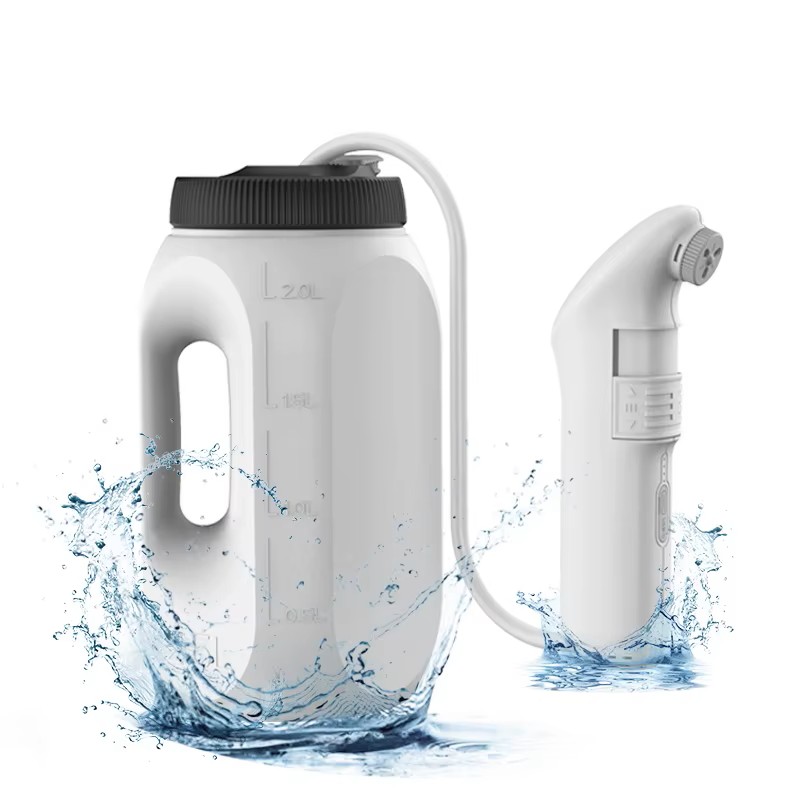
Battery-powered portable pressure washer units have gained popularity due to their exceptional mobility and convenience. These cordless models eliminate the need for electrical connections, allowing users to clean vehicles, boats, camping equipment, and remote outdoor areas without access to power outlets. While battery-powered units may have slightly lower PSI ratings compared to their electric counterparts, modern lithium-ion battery technology has significantly improved their performance and runtime capabilities.

Understanding Pressure Washer Power and Performance

Key Features and Specifications to Consider

Nozzle Variety and Spray Patterns

The versatility of a portable pressure washer largely depends on the variety and quality of its nozzle attachments and spray patterns. Most quality units come equipped with multiple nozzle tips that create different spray angles, typically ranging from 0-degree pencil jets for concentrated cleaning power to 40-degree wide fans for gentle surface cleaning. The availability of adjustable nozzles or quick-connect systems allows users to rapidly switch between cleaning modes without interrupting their workflow.

Specialized attachments such as foam cannons, surface cleaners, and extension wands can significantly expand the capabilities of your portable pressure washer. These accessories enable more efficient cleaning of specific surfaces and applications, such as applying detergent solutions, cleaning large flat surfaces like driveways, or reaching elevated areas safely. When evaluating potential purchases, consider the availability and cost of additional accessories that might enhance your cleaning capabilities.

Portability and Design Considerations

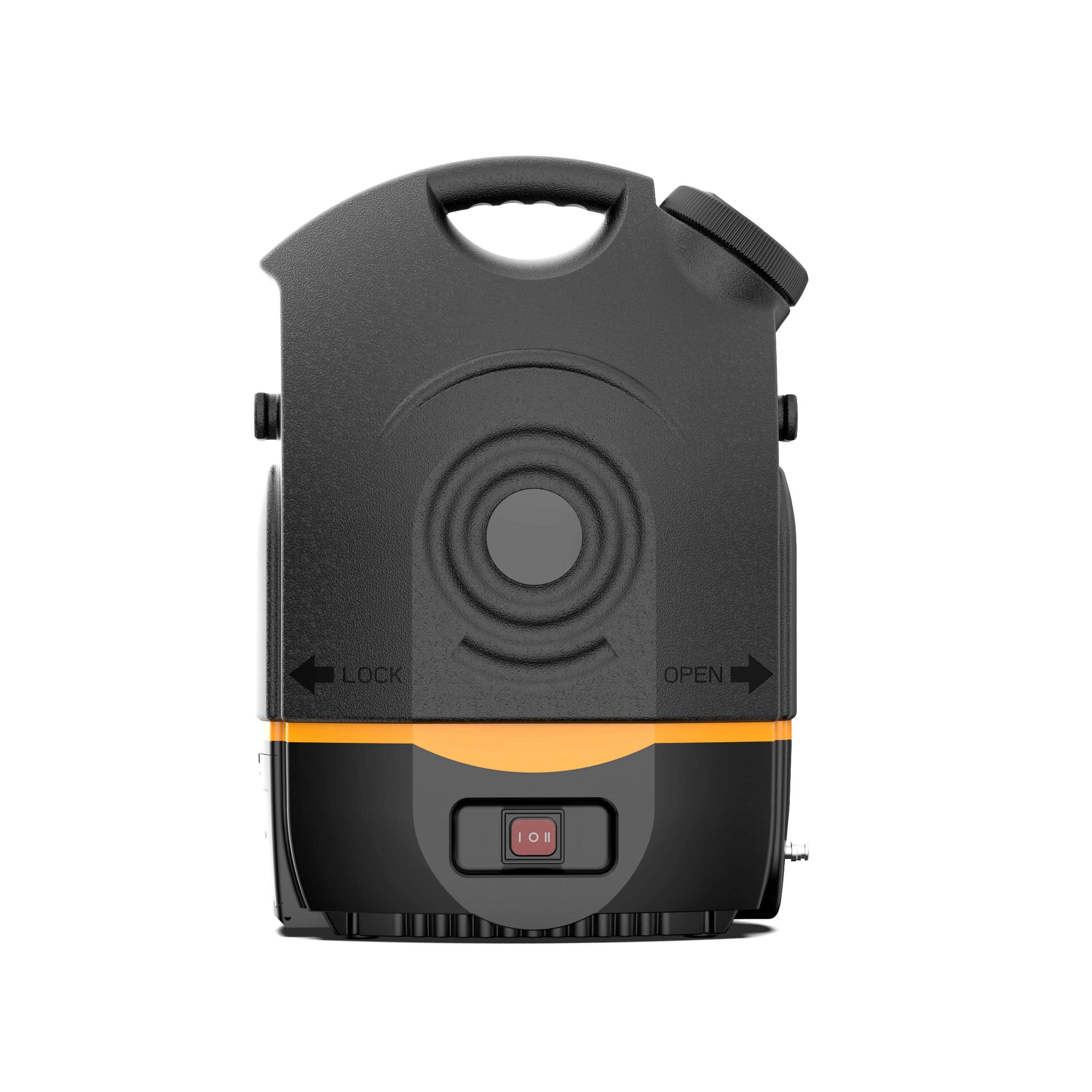
True portability encompasses more than just compact dimensions; it includes factors such as weight distribution, handle design, wheel quality, and overall ergonomics. A well-designed portable pressure washer should be comfortable to maneuver across various terrains and easy to transport between storage and work locations. Consider models with sturdy wheels, telescoping handles, and balanced weight distribution that minimize user fatigue during extended cleaning sessions.

Storage convenience is another crucial aspect of portability that many users overlook during the selection process. Compact designs with integrated hose storage, accessory compartments, and stackable configurations can significantly simplify storage in garages, sheds, or utility closets. Some portable pressure washer models feature innovative folding mechanisms or modular designs that maximize storage efficiency while maintaining durability and performance standards.

Application-Specific Selection Criteria

Residential Cleaning Applications

Homeowners typically use portable pressure washer equipment for a variety of routine maintenance and cleaning tasks that require different pressure settings and accessories. Vehicle washing represents one of the most common applications, requiring moderate pressure settings and specialized foam attachments to safely clean paint, glass, and trim without causing damage. The ideal portable pressure washer for car washing should offer adjustable pressure settings and gentle spray patterns suitable for automotive surfaces.

Outdoor surface cleaning, including patios, decks, sidewalks, and driveways, demands higher pressure capabilities and wider spray patterns for efficient coverage. These applications benefit from portable pressure washer models with surface cleaner attachments that provide consistent cleaning patterns and prevent streaking on concrete and stone surfaces. The ability to apply detergent solutions through the pressure washer system can significantly enhance cleaning effectiveness for heavily soiled outdoor surfaces.

Commercial and Professional Use

Professional users and commercial applications require portable pressure washer units with enhanced durability, higher performance specifications, and extended warranty coverage. These applications often involve frequent use, varied cleaning challenges, and the need for consistent performance across different job sites. Commercial-grade portable pressure washer models typically feature reinforced components, higher PSI ratings, and professional-grade accessories designed to withstand intensive use.

Fleet maintenance, equipment cleaning, and facility maintenance represent common commercial applications where portable pressure washer versatility and reliability are paramount. Professional users should prioritize models with proven track records, readily available replacement parts, and comprehensive service support networks. The total cost of ownership, including maintenance, repairs, and consumables, becomes a critical factor in commercial purchasing decisions.

Maintenance and Longevity Factors

Routine Maintenance Requirements

Proper maintenance practices significantly extend the lifespan and maintain the performance of your portable pressure washer investment. Regular maintenance tasks include checking and replacing worn nozzles, inspecting hoses for damage or wear, and ensuring proper storage procedures during off-seasons. Understanding the maintenance requirements of different portable pressure washer types helps users budget for ongoing operational costs and plan for routine service intervals.

Water quality considerations play a crucial role in portable pressure washer longevity, particularly in areas with hard water or high mineral content. Using appropriate water filtration systems or regular descaling procedures can prevent mineral buildup that reduces performance and damages internal components. Some portable pressure washer models include built-in filtration systems or require specific maintenance procedures to address water quality issues effectively.

Warranty and Service Support

Comprehensive warranty coverage and reliable service support represent essential factors in portable pressure washer selection, particularly for users who depend on their equipment for regular cleaning tasks. Quality manufacturers typically offer multi-year warranties that cover both parts and labor, providing peace of mind and protection against manufacturing defects. Understanding warranty terms, coverage limitations, and claim procedures helps users make informed decisions and protect their investment.

The availability of authorized service centers, replacement parts, and technical support significantly impacts the long-term viability of your portable pressure washer purchase. Choosing established brands with extensive service networks ensures that maintenance, repairs, and parts replacement can be handled efficiently without extended downtime. Online resources, user manuals, and customer support services provide additional value and support for troubleshooting and maintenance guidance.

Budget Considerations and Value Assessment

Initial Investment vs Long-Term Value

Evaluating the financial aspects of portable pressure washer ownership requires considering both initial purchase costs and long-term operational expenses. While entry-level models may offer attractive initial pricing, they might lack the durability, performance, or features necessary for your specific applications. Investing in a quality portable pressure washer with appropriate specifications and build quality often provides better long-term value through reduced maintenance costs, improved performance, and extended service life.

The total cost of ownership includes factors such as energy consumption, replacement parts, accessories, maintenance supplies, and potential repair costs over the equipment's lifespan. Professional-grade portable pressure washer models may command higher initial investments but often provide superior durability, performance consistency, and comprehensive warranty coverage that justifies the additional expense for serious users.

Seasonal Usage Patterns

Many homeowners use their portable pressure washer equipment seasonally, with peak usage occurring during spring cleaning, summer maintenance, and fall preparation activities. Understanding your typical usage patterns helps determine whether investing in premium features and capabilities makes financial sense for your specific situation. Occasional users might find that basic portable pressure washer models meet their needs without unnecessary expense, while frequent users benefit from enhanced features and durability.

Rental vs purchase considerations become relevant for users with infrequent cleaning needs or those wanting to test specific portable pressure washer models before making a purchase decision. Rental options allow users to evaluate different brands, pressure ratings, and features while completing their cleaning projects, providing valuable hands-on experience that informs future purchasing decisions.

Environmental and Safety Considerations

Water Conservation and Efficiency

Modern portable pressure washer designs incorporate water-saving technologies that reduce consumption while maintaining effective cleaning performance. High-pressure cleaning typically requires significantly less water than traditional garden hose washing methods, making portable pressure washer equipment an environmentally responsible choice for water-conscious users. Understanding the water efficiency ratings and consumption patterns of different models helps environmentally minded consumers make responsible purchasing decisions.

Detergent and chemical compatibility considerations impact both cleaning effectiveness and environmental responsibility. Many portable pressure washer manufacturers offer biodegradable cleaning solutions specifically formulated for use with their equipment, providing effective cleaning power while minimizing environmental impact. Choosing eco-friendly cleaning products and following proper disposal procedures demonstrates environmental stewardship while maintaining cleaning effectiveness.

Safety Features and Operating Procedures

Safety considerations should influence portable pressure washer selection, particularly for inexperienced users or applications involving elevated surfaces, electrical equipment, or delicate materials. Quality models incorporate safety features such as pressure relief valves, thermal protection, and ergonomic trigger designs that reduce operator fatigue and minimize the risk of accidents. Understanding proper operating procedures, protective equipment requirements, and safety protocols ensures safe and effective use of your portable pressure washer.

Electrical safety becomes particularly important for electric portable pressure washer models, especially when used in wet conditions or outdoor environments. Ground fault circuit interrupter (GFCI) protection, proper electrical connections, and waterproof component designs help prevent electrical hazards during operation. Battery-powered portable pressure washer units eliminate many electrical safety concerns while introducing considerations related to battery handling, charging, and storage procedures.

FAQ

What PSI rating do I need for typical home cleaning tasks

For most residential applications, a portable pressure washer with PSI ratings between 1,300 and 2,000 provides sufficient cleaning power for vehicles, patios, siding, and outdoor furniture. Higher PSI ratings above 2,000 are typically unnecessary for homeowner use and may risk damage to delicate surfaces like vehicle paint or wooden decking materials.

How long does a battery-powered portable pressure washer typically run

Modern battery-powered portable pressure washer units typically provide 15-30 minutes of continuous operation on a single charge, depending on pressure settings and battery capacity. Most manufacturers include fast-charging systems that restore full battery power within 1-2 hours, and many users purchase additional battery packs for extended cleaning sessions without interruption.

Can I use regular household detergents with my portable pressure washer

While some household detergents may work with portable pressure washer systems, it's recommended to use cleaning solutions specifically formulated for pressure washing equipment. These specialized detergents are designed to work effectively at high pressures, won't damage seals or internal components, and often provide superior cleaning performance for specific applications like vehicle washing or concrete cleaning.

What maintenance is required to keep my portable pressure washer running properly

Regular maintenance for a portable pressure washer includes checking nozzles for wear or clogs, inspecting hoses and connections for damage, proper winter storage procedures, and periodic cleaning of filters and screens. Most manufacturers recommend professional servicing annually for commercial use or every few years for residential applications to maintain optimal performance and warranty coverage.