

 EN
EN
Agriculture depends on a reliable and consistent water supply, and at the heart of that supply chain sits one critical piece of equipment: the water pump. Whether managing a small family farm or overseeing a large commercial operation, the ability to move water efficiently from one point to another determines the success of crops, livestock health, and overall farm productivity. Without a dependable water pump, even the most fertile land can fail to reach its full potential.
The role of the water pump in agriculture extends far beyond simple irrigation. It supports drainage, chemical application, livestock watering, cleaning operations, and emergency water management. As global food demand rises and climate patterns become less predictable, understanding why the water pump is essential to agricultural applications has never been more important for farm managers, equipment buyers, and agribusiness decision-makers.
The Core Function of a Water Pump in Farm Operations
Moving Water Where It Is Needed Most
The primary reason a water pump is indispensable on any farm is its ability to transport water from a source — whether a well, river, reservoir, or tank — directly to where crops or animals need it. Gravity-fed systems are rarely sufficient for large or uneven terrain, making mechanical pumping essential. A properly selected water pump ensures that water pressure and volume match the specific demands of the application.
In crop production, uniform water distribution directly influences germination rates, growth consistency, and yield quality. A water pump that delivers water at inadequate pressure or irregular flow creates dry patches and uneven growth, both of which reduce profitability. Precision in water delivery, enabled by a well-matched water pump, translates directly into crop uniformity and higher market value.
For livestock operations, clean and accessible water is a non-negotiable welfare requirement. A reliable water pump keeps troughs filled, reduces manual labor, and ensures animals receive adequate hydration throughout the day. Even brief interruptions in water supply can cause stress, reduced feed conversion, and health complications in poultry, cattle, and swine operations.
Supporting Multiple Farm Water Systems Simultaneously
Modern farms rarely operate a single water circuit. Irrigation lines, cleaning stations, chemical injection systems, and livestock supply networks may all run concurrently. The water pump serves as the central driver of these interconnected systems, maintaining flow and pressure across all points. Selecting a water pump with sufficient capacity to handle simultaneous demand prevents pressure drops that can compromise the performance of any individual system.
Multi-purpose farms especially benefit from portable or modular water pump configurations that can be repositioned or repurposed as seasonal needs shift. A single high-performance water pump with appropriate fittings can serve irrigation duties in the morning and cleaning applications later in the day, reducing equipment costs and improving operational flexibility.
Why Water Pump Selection Directly Impacts Agricultural Efficiency
Matching Flow Rate and Pressure to Application Requirements
Not all agricultural applications demand the same performance from a water pump. Drip irrigation systems require low flow at moderate pressure, while sprinkler systems need higher pressure to achieve adequate throw distance. Surface cleaning tasks, such as washing machinery or barn floors, benefit from a high-pressure water pump that can dislodge debris quickly and thoroughly.
Choosing a water pump with the wrong specifications leads to either wasted energy from an oversized unit or poor performance from an undersized one. Farm managers who take the time to calculate their peak water demand and match it to a correctly rated water pump see measurable improvements in operational cost per unit of water delivered. Efficiency in water use also supports compliance with increasingly strict agricultural water regulations in many regions.
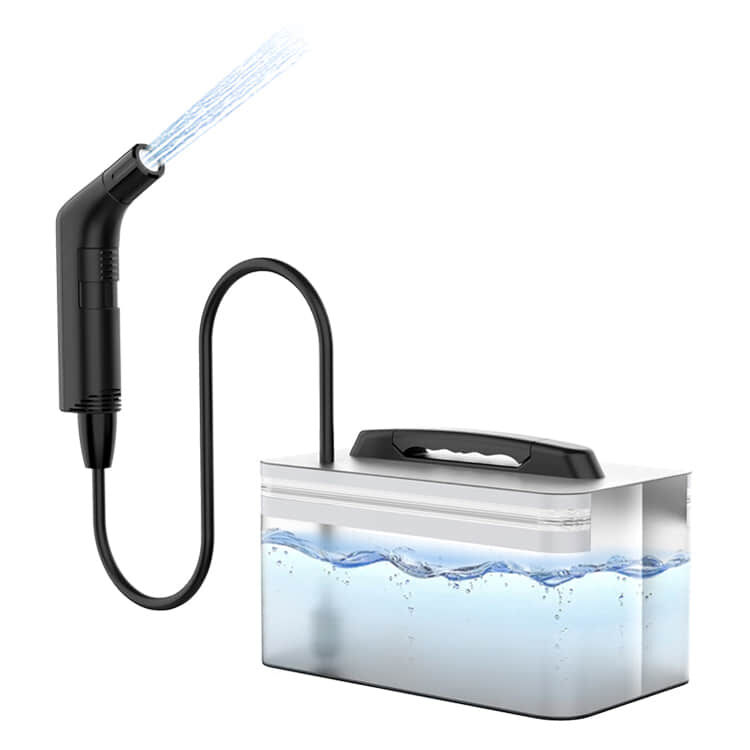
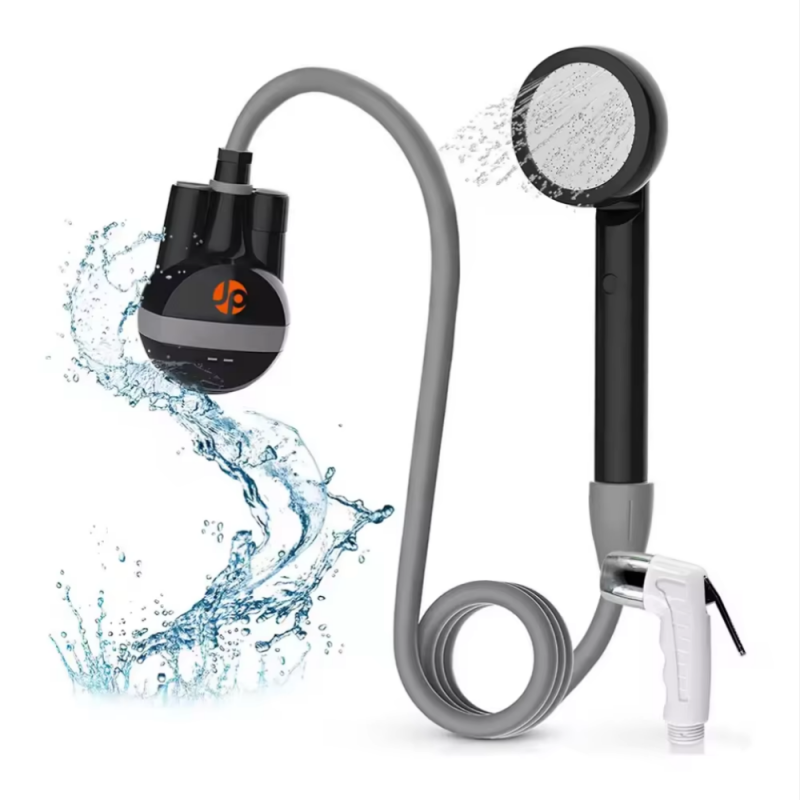
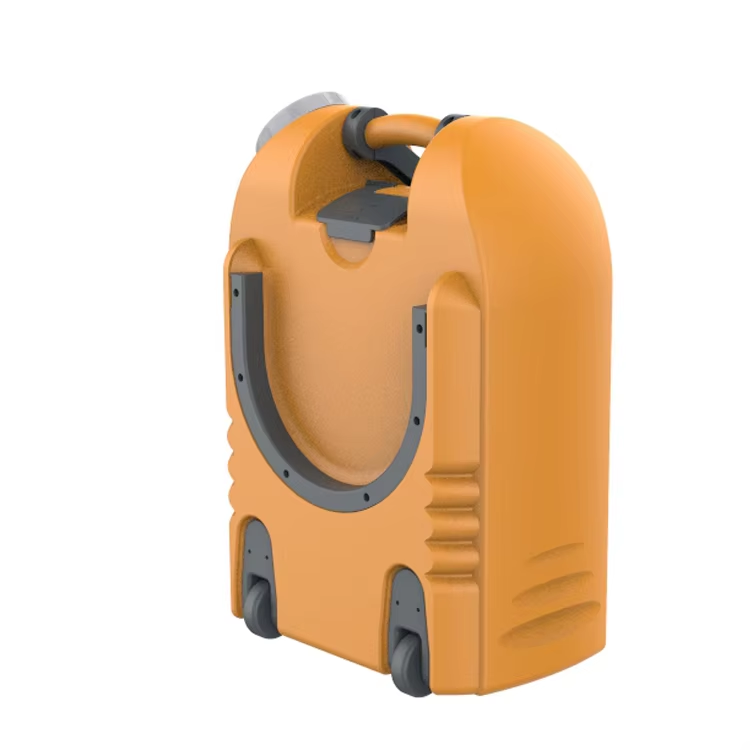
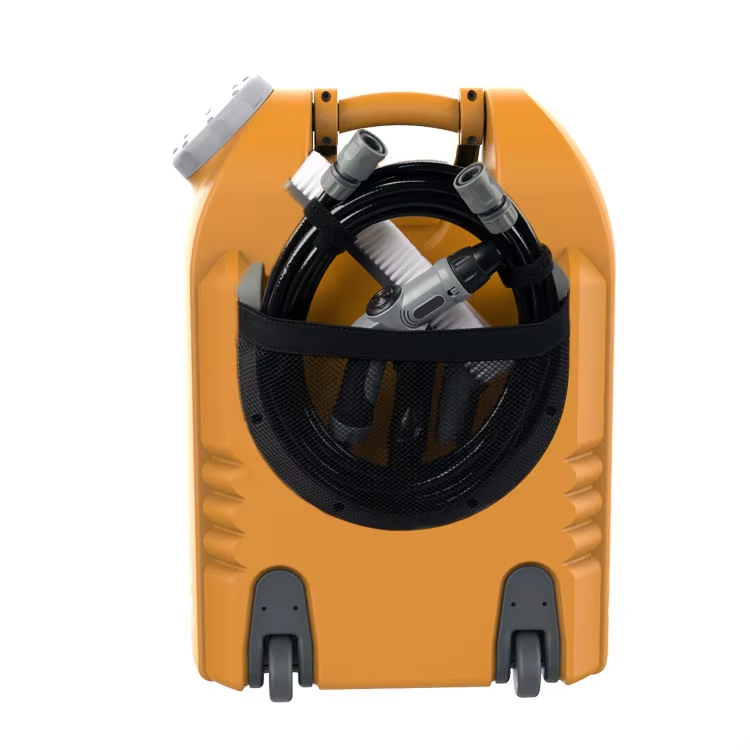
The water pump category has expanded significantly in recent years, with portable high-pressure models offering farm operators greater flexibility in how and where they deploy water delivery equipment. Units designed with integrated water tanks provide autonomous operation in areas without direct access to a fixed water line, which is particularly valuable for remote paddocks or temporary growing structures.
Energy Consumption and Long-Term Operating Cost
A water pump runs for extended hours during peak growing seasons, making energy efficiency a critical purchasing consideration. High-efficiency motors and intelligent pressure control systems reduce electricity or fuel consumption without sacrificing performance. Over a full growing season, the cumulative energy savings from a properly specified water pump can represent a significant reduction in operating expenses.
Maintenance requirements also factor into the total cost of owning a water pump. Models built with corrosion-resistant materials and easily replaceable components keep downtime minimal during critical irrigation periods. A water pump that fails during a heat event or dry spell can cause irreversible crop damage that far exceeds the cost of a premium, more durable unit.
Agricultural Scenarios Where a Water Pump Is Indispensable
Irrigation of Crops Across Variable Terrain
Terrain variation presents one of the most demanding challenges for farm water management. Fields that rise or slope away from the water source require a water pump with enough head pressure to lift and push water against gravity over meaningful distances. Without a capable water pump, elevated planting zones receive insufficient water, creating yield inconsistencies that undermine the economic efficiency of the entire operation.
In greenhouse and tunnel farming environments, the water pump drives automated fertigation systems that deliver water and dissolved nutrients directly to plant root zones. The precision of these systems depends entirely on stable pump pressure. A fluctuating water pump creates uneven nutrient delivery, which disrupts plant development and complicates crop scheduling.
Farm Cleaning, Sanitation, and Animal Hygiene
Biosecurity on farms demands regular, thorough cleaning of equipment, vehicles, housing, and animal contact surfaces. A high-pressure water pump makes this work faster, more effective, and less labor-intensive. Pathogens that accumulate in barn floors, feed equipment, and vehicle wheel wells require water delivered at sufficient pressure to physically remove them, not merely rinse over them.
Mobile or portable water pump units are especially practical for cleaning applications because they can be moved between buildings, pens, or machinery yards without requiring permanent plumbing installation. A compact, self-contained water pump with an onboard tank allows workers to address cleaning needs anywhere on the property with minimal setup time, directly supporting both animal welfare standards and regulatory compliance requirements.
Garden and orchard maintenance also relies on consistent water pump availability for pest control chemical applications, foliar feeding, and soil moisture management. The operational reach of a portable water pump in these settings can meaningfully reduce the physical effort and time required to maintain large planting areas.
Reliability and Durability as Business-Critical Factors
Why Uptime Matters in Agricultural Water Delivery
In agriculture, timing is rarely flexible. Crops require water during specific growth windows, and missing those windows carries direct financial consequences. A water pump that experiences frequent breakdowns or requires complex repairs during the growing season creates risk that no farm manager can comfortably absorb. Investing in a water pump with a documented reliability record and accessible spare parts supply is a fundamentally sound business decision.
Durability in outdoor agricultural environments means more than mechanical robustness. A water pump deployed on a farm must tolerate dust, mud, temperature swings, and the chemical residues common in agricultural water supplies. Units with sealed motors, weatherproof housings, and chemical-resistant internal components deliver the longevity that justifies their cost over multiple growing seasons.
Scalability and Adaptation to Changing Farm Needs
Farm operations evolve. New crops, expanded acreage, added livestock housing, or the adoption of precision agriculture technologies all create new demands on water delivery infrastructure. A modular or multi-functional water pump system allows farm operators to scale capacity without completely replacing existing equipment. This adaptability makes the water pump not just an operational necessity but a strategic infrastructure asset.
Planning for future water demand when selecting a water pump today reduces the likelihood of premature equipment replacement. Farms that anticipate growth and choose a water pump platform that supports additional capacity or accessory integration build operational resilience into their core water management infrastructure from the outset.
FAQ
What type of water pump is best suited for agricultural irrigation?
The best water pump for agricultural irrigation depends on the specific application. Centrifugal pumps are widely used for surface irrigation due to their high flow rates, while submersible pumps are preferred for deep well applications. For farms combining irrigation and cleaning tasks, a high-pressure portable water pump with an integrated tank offers practical multi-use capability without requiring separate equipment for each function.
How do I calculate the right water pump capacity for my farm?
Calculating the right water pump capacity requires knowing your peak demand — the total volume of water needed per hour at maximum usage — and the total dynamic head, which accounts for the vertical lift and friction losses in your pipe system. Matching these two figures to a water pump performance curve ensures you select a unit that delivers the required flow and pressure without operating outside its efficient range.
Can a water pump be used for both irrigation and farm cleaning?
Yes, many modern water pump configurations are designed for multi-purpose use. Portable high-pressure models with adjustable output settings can transition between irrigation support and surface cleaning depending on the nozzle and pressure setting used. This versatility makes a multi-function water pump a cost-effective choice for small to mid-sized farm operations that need flexible water delivery without investing in multiple specialized units.
How often should a water pump be serviced on a working farm?
A water pump used regularly in agricultural settings should receive a basic inspection before each growing season and a more thorough service check after every 200 to 300 hours of operation. Key service points include checking seals, impeller condition, inlet filters, and motor health. Following the manufacturer's recommended maintenance schedule extends the operational life of the water pump and reduces the risk of failures during critical growing periods.