
 EN
EN
Maintaining a clean and hygienic bathroom is a priority in both residential and commercial settings, and the tools you choose to support that goal matter more than most people realize. Among the many fixtures and accessories that populate a well-designed bathroom, soap dispensers stand out as a deceptively simple yet highly effective contributor to overall cleanliness. They shape how people interact with hygiene products, influence the spread of bacteria, and directly affect how tidy a bathroom looks and feels throughout the day.
Understanding exactly how soap dispensers contribute to a cleaner bathroom environment requires looking beyond their surface function. These fixtures influence hygiene at the behavioral, environmental, and operational levels. Whether installed in a high-traffic commercial restroom or a private household bathroom, soap dispensers actively shape the conditions that determine how clean a space remains over time. This article explores the specific mechanisms through which they do so.
The Hygiene Case for Soap Dispensers
Eliminating the Cross-Contamination Risk of Bar Soap
One of the most direct ways soap dispensers contribute to bathroom cleanliness is by replacing shared bar soap, which is a well-documented vehicle for cross-contamination. Bar soap sits exposed on surfaces, collects bacteria from multiple users, and often rests in standing water that accelerates microbial growth. Every person who picks it up both deposits and potentially picks up germs.
Soap dispensers eliminate this shared contact point entirely. The liquid or foam product inside is delivered through a pump or sensor mechanism that limits exposure to airborne contaminants and prevents users from touching the soap supply directly. This single structural difference dramatically reduces the bacterial transfer that occurs during routine handwashing.
In commercial and healthcare environments, this distinction is especially significant. Facilities that have transitioned from bar soap to wall-mounted soap dispensers consistently report improvements in measured surface hygiene, particularly on sink surrounds and countertops where bar soap residue tends to accumulate and foster bacterial colonies.
Touchless Operation and Reduced Surface Contamination
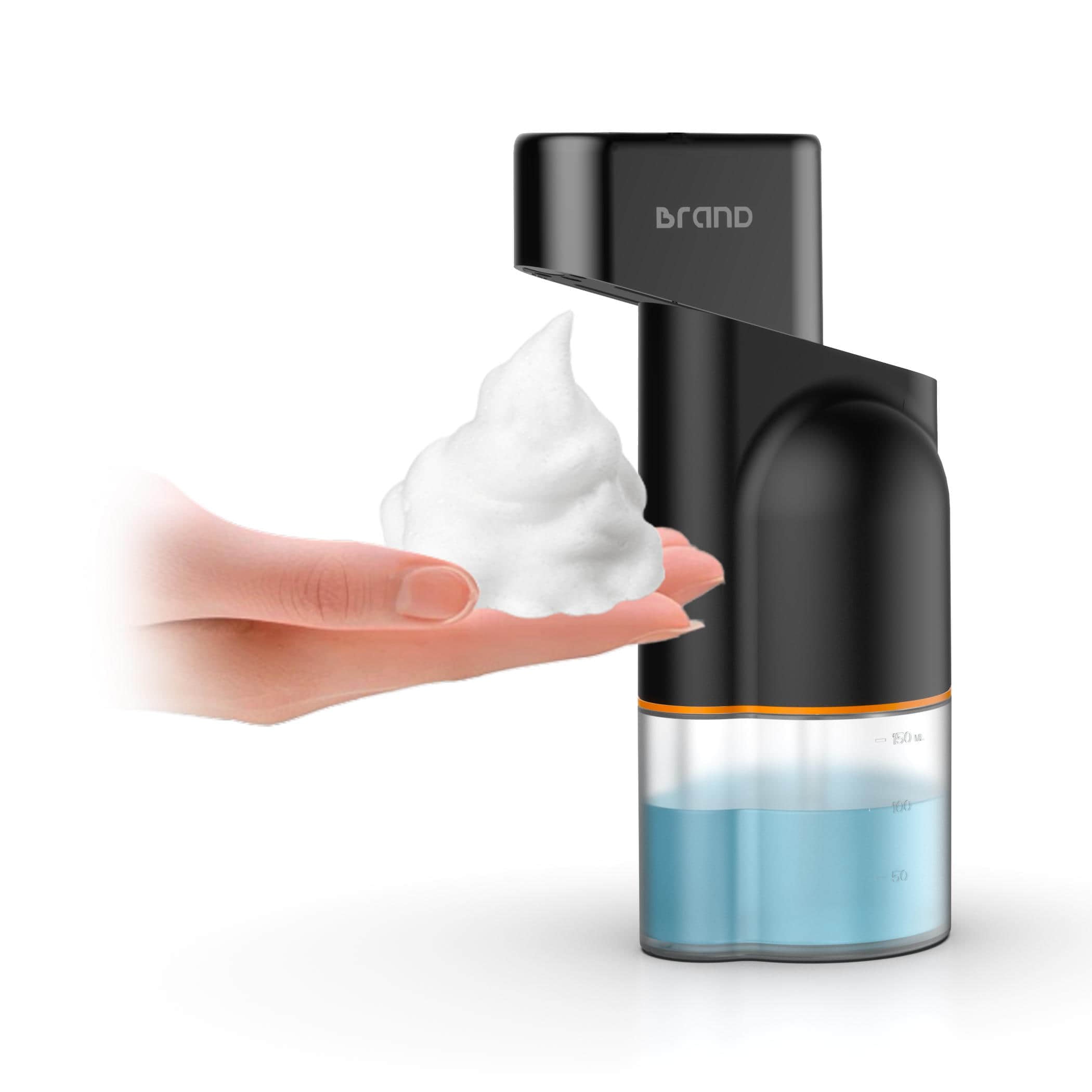
Many modern soap dispensers are designed with touchless or automatic operation, using infrared sensors to detect hand placement and release a measured dose of soap without any physical contact. This design removes the dispenser pump itself as a contamination surface, which is particularly important in environments where dozens or hundreds of users pass through daily.
Manual pump soap dispensers, even when not touchless, still offer a significant advantage over bar soap because the contact area is limited, easy to clean, and regularly disinfected as part of standard restroom maintenance. Touchless soap dispensers go a step further by eliminating that contact point entirely, making them a preferred choice in hospitals, food service facilities, and high-traffic office restrooms.
The contribution of touchless soap dispensers to a cleaner bathroom environment extends to the surfaces around the sink as well. Because users do not need to touch, grip, or balance a bar of soap, the surrounding counter remains drier and less contaminated, reducing the conditions that allow bacteria and mold to thrive.
How Soap Dispensers Reduce Mess and Surface Buildup
Controlled Dosing Prevents Soap Waste and Spillage
Soap dispensers are engineered to deliver a consistent, controlled dose of soap with each activation. This precision serves cleanliness in a practical and often overlooked way: it prevents the excess soap application that leads to residue buildup on sinks, drains, and surrounding surfaces. When users pour or squeeze soap from open containers, they frequently use too much, and the excess washes off improperly, coating surfaces in a thin film that attracts grime.
With a properly calibrated dispenser, the exact amount of soap needed for effective handwashing is delivered each time. This reduces the volume of soap that ends up on the sink basin, the faucet handles, and the countertop. Over the course of a day in a busy restroom, the difference in surface cleanliness between a controlled dispenser and an uncontrolled soap source is substantial and visible.
For facility managers and building operators, this controlled output also supports more predictable cleaning schedules. Surfaces stay cleaner longer, which means the effort required to maintain a presentable and hygienic bathroom environment is reduced without sacrificing standards.
Enclosed Design Keeps the Soap Supply Protected
Unlike open soap dishes or loose bottles sitting on a counter, soap dispensers house their contents in a sealed or semi-sealed chamber. This means the soap supply is not exposed to airborne particles, splashing water, or incidental contact during regular use. The integrity of the soap itself is maintained throughout its use cycle, which contributes to its effectiveness as a cleaning agent.
In bathrooms where dust, humidity, and aerosol particles are constant factors, this enclosed design has a meaningful impact. Soap that sits exposed degrades faster, may develop contamination, and often becomes an unsightly mess on the counter. Soap dispensers prevent all of these outcomes by keeping the product protected until the moment it is needed.
The enclosed nature of wall-mounted and countertop soap dispensers also makes them much easier to clean externally. Their smooth, sealed surfaces can be wiped down quickly and completely, without the concern of residue accumulating in crevices or around a soap dish rim.
The Role of Soap Dispensers in Supporting Consistent Hand Hygiene
Encouraging Proper Handwashing Behavior
A cleaner bathroom environment depends not only on the fixtures themselves but on the hygiene behaviors they enable and encourage. Soap dispensers play a surprisingly significant role in shaping whether people wash their hands properly. When soap is readily accessible, clearly visible, and easy to use, compliance with handwashing protocols increases substantially, particularly in shared or institutional settings.
Research in public health consistently shows that the availability and convenience of handwashing supplies directly correlates with usage rates. Soap dispensers that are well-positioned at the point of use, reliably functional, and visually inviting make proper hand hygiene the path of least resistance. This behavioral dimension is a core part of how soap dispensers contribute to a cleaner bathroom environment at the population level.
In workplaces, schools, and hospitality environments, this effect compounds over time. When soap dispensers are stocked, accessible, and functioning properly, the cumulative impact on hygiene compliance and surface contamination reduction is measurable. The bathroom environment improves not just from the dispenser's physical properties but from the behavior it facilitates.
Reliable Supply Availability Eliminates Hygiene Gaps
One of the most practical contributions of soap dispensers to bathroom hygiene is their ability to maintain a reliable, visible supply of soap over an extended period. Large-capacity refillable dispensers reduce the frequency of empty soap situations that force users to skip handwashing or use inadequate alternatives. This reliability is particularly critical in high-traffic environments where supply depletion can happen quickly.
Many commercial soap dispensers include transparent windows or level indicators that allow facility staff to monitor fill levels at a glance, enabling proactive restocking before a shortage occurs. This operational feature directly supports continuous hygiene coverage and prevents the gaps in cleanliness that result when soap simply runs out mid-shift.
For facilities aiming to maintain consistently clean bathroom environments, the operational reliability of soap dispensers is just as important as their physical design. A dispenser that runs dry or malfunctions undermines all other hygiene efforts in that space.
Aesthetic and Environmental Contributions to Bathroom Cleanliness
A Tidier Appearance Supports a Cleaner Standard
The visual order of a bathroom influences both user behavior and maintenance standards. Soap dispensers contribute to a cleaner bathroom environment partly through the tidiness they impose on the soap station. Replacing cluttered rows of individual soap bottles, worn bar soap, and wet soap dishes with a single clean-mounted dispenser immediately elevates the perceived and actual cleanliness of the space.
This aesthetic tidiness is not merely cosmetic. Research in environmental psychology shows that cleaner-looking environments prompt users to behave more carefully and to maintain higher personal hygiene standards. A well-appointed bathroom with properly installed soap dispensers signals that the space is professionally maintained, which in turn encourages users to treat it with greater care.
For hospitality, retail, and corporate environments, this perception of cleanliness has direct business value. Soap dispensers that are well-chosen, cleanly installed, and kept in good condition contribute to a bathroom experience that reflects positively on the overall facility and the organization behind it.
Reduced Packaging Waste and Environmental Hygiene
Soap dispensers, particularly refillable bulk-fill models, significantly reduce the amount of single-use plastic packaging associated with individual soap bottles. In high-traffic bathrooms, this can translate to dozens or even hundreds of plastic bottles eliminated per year per facility. Fewer waste items in and around the bathroom means a cleaner physical environment and a reduced burden on cleaning staff.
The refill model also supports better inventory control, which contributes to a more organized and hygienic storage area for cleaning supplies. When soap is purchased in bulk and decanted into dispensers on a schedule, the entire supply chain for bathroom hygiene becomes cleaner and more efficient, from the supply closet to the point of use.
Environmentally conscious facilities increasingly select soap dispensers with refillable or cartridge-based systems that minimize waste while maintaining hygiene standards. This approach aligns cleanliness goals with sustainability goals, reinforcing the role of soap dispensers as a genuinely multi-dimensional contributor to a better bathroom environment.
FAQ
Do soap dispensers actually reduce the spread of germs compared to bar soap?
Yes, soap dispensers reduce the spread of germs more effectively than bar soap primarily because they eliminate the shared physical contact that makes bar soap a contamination risk. Liquid or foam soap delivered through a dispenser pump or sensor has not been touched by previous users, keeping the soap supply clean and the delivery mechanism far more hygienic than a communal bar that accumulates bacteria on its surface between uses.
Are touchless soap dispensers worth the investment for commercial bathrooms?
For high-traffic commercial bathrooms, touchless soap dispensers offer a meaningful hygiene and operational advantage. By removing the pump as a contact surface, they reduce surface contamination at one of the most frequently touched points in a restroom. They also tend to deliver more consistent dosing, which reduces mess and waste. The upfront cost is higher than manual dispensers, but the long-term hygiene and maintenance benefits typically justify the investment in professional settings.
How often should soap dispensers be cleaned and refilled to maintain bathroom hygiene?
In commercial environments, soap dispensers should be checked daily for fill levels and refilled before depletion. The exterior of the dispenser should be wiped down as part of the regular cleaning rotation, typically at least once per day in high-traffic spaces. The internal chamber should be cleaned thoroughly each time it is refilled to prevent soap residue buildup, bacterial growth in residual soap, and cross-contamination between refill batches.
Can the placement of soap dispensers affect how clean a bathroom stays?
Placement has a direct impact on both hygiene behavior and surface cleanliness. Soap dispensers positioned directly at the point of handwashing, at a natural reach height, and with adequate clearance from the sink basin encourage proper use and minimize drips on countertops. Poor placement leads to soap being dispensed over dry surfaces, dripping on the counter, or simply being skipped by users who find the location inconvenient. Strategic placement is an underappreciated factor in the overall contribution soap dispensers make to a cleaner bathroom environment.
Table of Contents
- The Hygiene Case for Soap Dispensers
- How Soap Dispensers Reduce Mess and Surface Buildup
- The Role of Soap Dispensers in Supporting Consistent Hand Hygiene
- Aesthetic and Environmental Contributions to Bathroom Cleanliness
-
FAQ
- Do soap dispensers actually reduce the spread of germs compared to bar soap?
- Are touchless soap dispensers worth the investment for commercial bathrooms?
- How often should soap dispensers be cleaned and refilled to maintain bathroom hygiene?
- Can the placement of soap dispensers affect how clean a bathroom stays?