
 EN
EN
In today's health-conscious business environment, soap dispensers have become far more than a simple restroom accessory—they are a fundamental investment in operational hygiene, customer satisfaction, and regulatory compliance. Commercial establishments ranging from restaurants and healthcare facilities to office buildings and retail stores increasingly recognize that soap dispensers directly impact their brand reputation, employee wellness, and bottom line. The presence or absence of accessible, functional soap dispensers sends a powerful message about an organization's commitment to cleanliness and public health. For any business manager or facility director evaluating restroom infrastructure, understanding why soap dispensers are essential provides critical insight into making decisions that protect both staff and customers while maintaining compliance with health and safety standards.
The integration of soap dispensers into commercial spaces reflects an understanding that infection control begins with basic hygiene infrastructure. Whether manual or automatic, soap dispensers serve as the delivery mechanism that transforms handwashing from a theoretical practice into a consistent, measurable reality across your facility. In commercial environments where dozens, hundreds, or thousands of individuals pass through daily, the strategic placement and maintenance of soap dispensers directly correlate with reduced illness transmission, improved employee retention, and enhanced customer confidence. This article explores the multifaceted reasons why soap dispensers have become indispensable for commercial establishments and how they contribute to operational excellence.
Health and Infection Control Benefits
Reducing Pathogen Transmission
Handwashing represents one of the most effective disease prevention strategies available, and soap dispensers make this critical practice accessible and convenient. In commercial settings such as food service establishments, healthcare facilities, and office environments, the availability of soap dispensers significantly reduces the transmission of bacteria, viruses, and other harmful pathogens. When employees and customers encounter soap dispensers positioned at convenient locations, compliance with handwashing protocols increases substantially. Research in occupational health consistently demonstrates that facilities equipped with well-maintained soap dispensers experience lower rates of communicable disease outbreaks compared to those relying on alternatives or outdated systems. The soap dispensers become environmental cues that reinforce hygiene expectations and normalize frequent handwashing as part of daily operations.
Supporting Health and Safety Compliance
Regulatory bodies including health departments, OSHA, and industry-specific governing organizations mandate that commercial establishments maintain adequate soap dispensers throughout their facilities. These regulations stem from evidence that soap dispensers are essential components of infection prevention protocols. Healthcare facilities, schools, and food service operations face strict requirements regarding the number, type, and maintenance of soap dispensers relative to facility size and foot traffic. By installing compliant soap dispensers, management demonstrates commitment to regulatory adherence and reduces liability exposure. Non-compliance with soap dispenser requirements can result in citations, fines, and operational restrictions that far exceed the cost of proper dispenser installation and maintenance. Commercial establishments that view soap dispensers as regulatory compliance checkboxes rather than strategic health investments miss opportunities to exceed minimum standards and differentiate their operations positively.
Operational Efficiency and Cost Management
Minimizing Waste and Controlling Costs
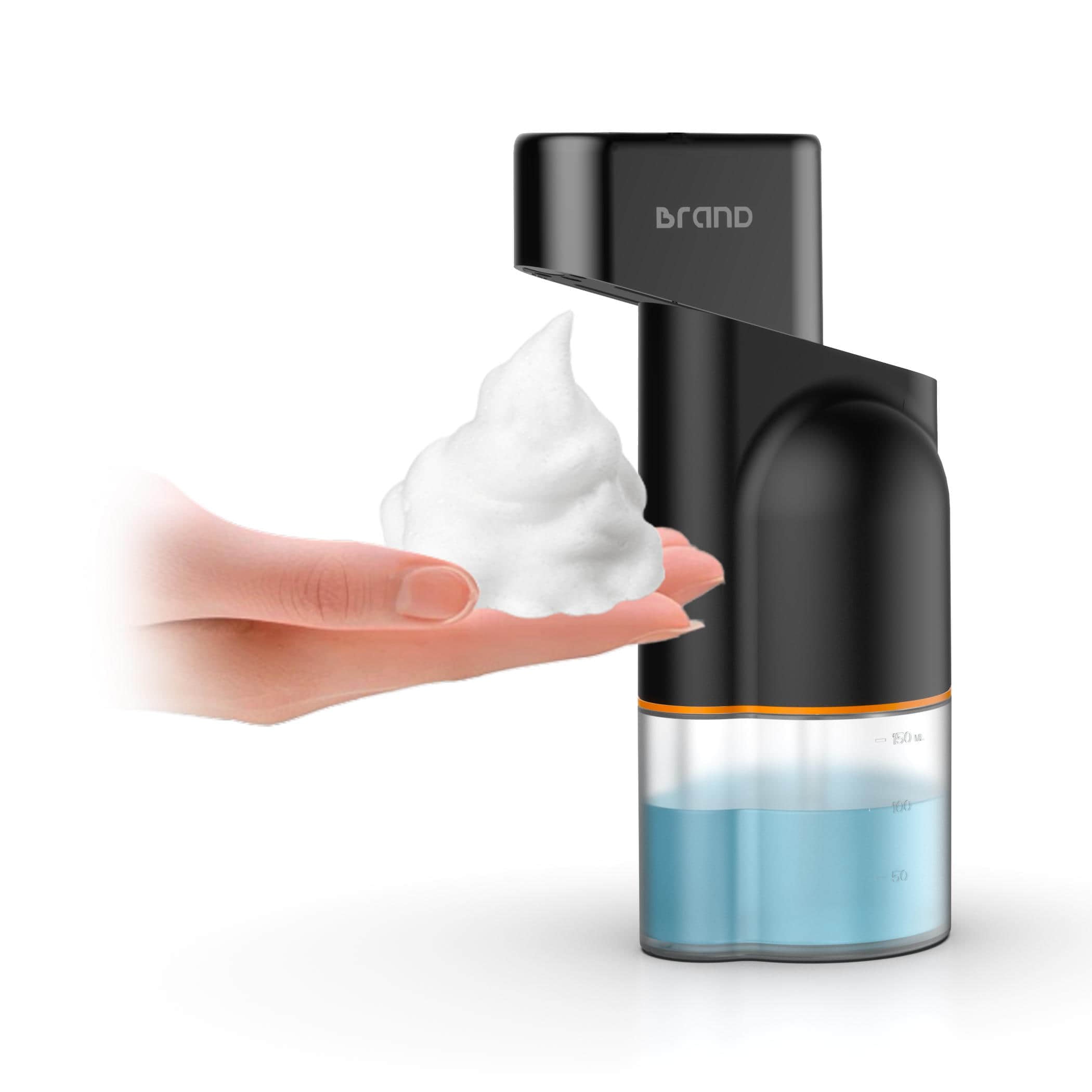
Automatic soap dispensers address one of the primary inefficiencies associated with manual handwashing stations: product waste. In commercial environments, manual soap dispensers often result in excessive soap consumption as customers and employees use more product than necessary without clear dispensing boundaries. Automatic soap dispensers deliver consistent, metered doses that substantially reduce waste while maintaining adequate hygiene. For a large commercial establishment operating multiple restrooms serving hundreds of daily visitors, the accumulated savings from reduced soap consumption can be significant. Facilities managers report that transitioning to automatic soap dispensers typically reduces soap costs by twenty to forty percent while improving overall restroom cleanliness. Beyond direct soap cost reduction, efficient soap dispensers minimize the time spent on refilling and maintenance, allowing facilities staff to focus on other operational priorities. The investment in quality soap dispensers pays for itself through documented operational savings within a relatively short timeframe.
Supporting Sustainability Goals
Commercial establishments increasingly face pressure from stakeholders, customers, and regulatory agencies to adopt sustainable practices, and soap dispensers contribute meaningfully to these environmental objectives. Automatic soap dispensers reduce waste and water usage during handwashing, directly supporting sustainability initiatives. Some modern soap dispensers are designed to be refillable and manufactured from recycled materials, further aligning with environmental commitments. For organizations tracking their carbon footprint or pursuing green certifications, demonstrating investment in water-efficient and waste-reducing soap dispensers provides measurable evidence of commitment to sustainability. Communicating these efforts through visible placement of eco-friendly soap dispensers also resonates positively with environmentally conscious customers and employees, enhancing brand perception and corporate social responsibility standing.
Customer Experience and Facility Image
Influencing Perception and Trust
The presence and condition of soap dispensers directly influence how customers and visitors perceive a commercial establishment's attention to cleanliness and professionalism. When restrooms feature well-maintained, accessible soap dispensers, customers interpret this as evidence of comprehensive facility hygiene management. Conversely, restrooms lacking soap dispensers or displaying empty, broken dispensers generate immediate negative impressions that extend beyond the restroom itself to the entire business. In competitive markets such as hospitality, retail, and food service, restroom quality—including functional soap dispensers—often represents a determining factor in customer satisfaction and loyalty. Online reviews frequently mention restroom conditions, and the presence of soap dispensers is often highlighted in positive reviews as a sign of professional management. For customer-facing businesses, investing in modern, reliable soap dispensers is a cost-effective way to enhance overall facility image and support customer retention strategies.
Creating Accessible Hygiene Infrastructure
Commercial establishments serve diverse populations with varying physical abilities and preferences, and soap dispensers contribute to creating inclusive, accessible restroom environments. Automatic soap dispensers eliminate barriers for individuals with limited hand strength or dexterity, ensuring that all customers and employees can maintain personal hygiene without frustration or assistance. Touchless soap dispensers also address concerns about cross-contamination from shared manual dispensers, which is particularly important in healthcare settings and food preparation areas. By offering soap dispensers that accommodate different needs and preferences—including wall-mounted options, height-adjustable units, and various activation mechanisms—commercial facilities demonstrate commitment to accessibility and equitable service delivery. This attention to inclusive design enhances reputation and customer satisfaction while supporting health outcomes across diverse populations.
FAQ
What types of soap dispensers are best suited for high-traffic commercial establishments?
Automatic or sensor-based soap dispensers typically perform best in high-traffic commercial settings because they deliver consistent metered doses, reduce waste, minimize cross-contamination, and require less frequent user intervention. Touchless soap dispensers are particularly valuable in food service and healthcare environments where hygiene is paramount. Wall-mounted models with durable construction and reliable refill mechanisms ensure that soap dispensers remain functional throughout peak usage periods. The specific choice depends on facility foot traffic, budget constraints, and industry-specific hygiene requirements, but automatic soap dispensers generally offer superior performance metrics in commercial applications.
How frequently should soap dispensers be refilled and maintained in commercial facilities?
Maintenance frequency for soap dispensers varies based on facility size, foot traffic, and dispenser type, but commercial establishments should implement daily or near-daily checks to ensure soap dispensers remain filled and functional. Facilities staff should inspect soap dispensers for mechanical issues, leaks, or damage and establish a predictable refill schedule aligned with usage patterns. High-traffic restrooms may require multiple daily refills, while less-used facilities might need refilling every few days. Documenting maintenance through logs helps facilities managers track usage patterns and identify potential issues. Proactive maintenance of soap dispensers prevents customer dissatisfaction and reduces the likelihood of restroom closures due to inadequate hygiene infrastructure.
How do soap dispensers contribute to reducing absenteeism related to illness?
Accessible, well-maintained soap dispensers reduce pathogen transmission in workplace environments, directly supporting lower rates of communicable illness among employees. When employees frequently encounter functional soap dispensers throughout the facility, handwashing compliance increases, reducing the spread of cold, flu, and other workplace-transmitted illnesses. Studies demonstrate that facilities with robust hygiene infrastructure including adequate soap dispensers experience measurably lower absenteeism due to illness. By reducing illness transmission, soap dispensers help maintain consistent staffing levels, improve productivity, and reduce healthcare costs associated with employee illness. In this way, soap dispensers represent an indirect but significant investment in workforce health and operational continuity.