
 EN
EN
Selecting the right soap dispenser involves understanding the key features that determine functionality, durability, and hygiene benefits in any environment. Whether you're outfitting a commercial kitchen, bathroom, or household space, a quality soap dispenser goes far beyond basic soap delivery. The best soap dispenser combines practical design with reliable performance, ensuring consistent use and minimal maintenance over time. Understanding what makes a soap dispenser stand out helps you make an informed purchase that aligns with your specific needs and budget.
A quality soap dispenser should deliver soap efficiently while maintaining hygiene standards and requiring minimal refilling. The features you prioritize depend on your use case, whether residential, hospitality, or healthcare settings. Each soap dispenser type offers distinct advantages, and recognizing these distinctions helps you invest in a product that delivers long-term value. This guide explores the essential features that define a reliable soap dispenser and how each contributes to your overall satisfaction.
Dispensing Mechanism and Reliability
Automatic Versus Manual Functionality
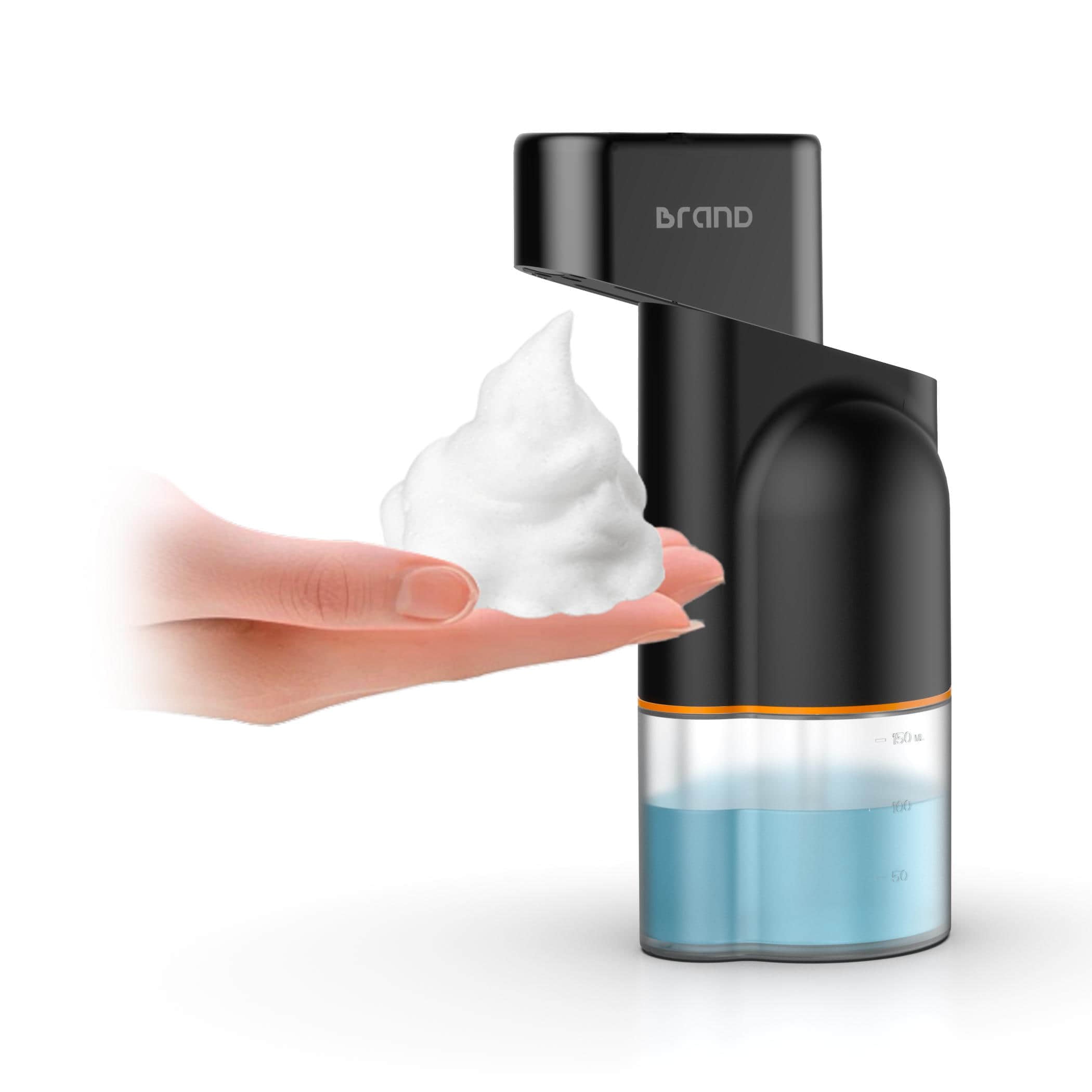
The dispensing mechanism is the foundation of any soap dispenser performance. An automatic soap dispenser uses motion sensors to detect hand proximity, eliminating the need for physical contact and reducing cross-contamination in shared spaces. Manual soap dispensers require hand pressure or lever activation, making them simpler but less hygienic in high-traffic environments. Your choice between these mechanisms determines user experience and sanitation benefits. A quality soap dispenser with automatic functionality typically features a consistent sensor range and reliable trigger performance.
Reliability in the dispensing mechanism ensures every use delivers the intended soap amount without jamming or inconsistency. Look for a soap dispenser with a smooth pumping action or sensor that responds consistently across different hand positions and angles. Motor-driven dispensers should operate quietly and smoothly without hesitation. Testing the soap dispenser mechanism during selection helps you identify potential reliability issues before purchase. A dependable soap dispenser will maintain performance even with frequent use over months or years.
Soap Compatibility and Viscosity Control
A quality soap dispenser accommodates various soap formulations, from thin liquid soap to thicker gel varieties. The soap dispenser's internal pump mechanism should handle different viscosities without clogging or reducing dispense accuracy. Premium soap dispensers feature adjustable settings that allow users to control soap volume per use, reducing waste while maintaining cleanliness. Compatibility matters because incompatible soap products can damage the soap dispenser's internal components, leading to costly repairs or replacement. Verify that your chosen soap dispenser works with your preferred soap brand and type before committing to purchase.
Hygiene and Safety Standards
Contamination Prevention and Sensor Design
Hygiene features distinguish a premium soap dispenser from basic models. An automatic soap dispenser eliminates touchpoints where germs accumulate, a critical advantage in healthcare, food preparation, and shared bathroom environments. The sensor design should be recessed or protected from accidental contact and debris. Look for a soap dispenser with an infrared or motion-sensing technology that activates reliably without false triggers. Quality soap dispenser sensors should maintain accuracy even when exposed to dust, humidity, and temperature fluctuations common in commercial kitchens or hospitals.
The soap dispenser's drip tray and overflow prevention system protect surfaces and prevent bacterial growth in standing water. A well-designed soap dispenser includes a removable, cleanable drip tray that collects excess soap without spillage onto floors or countertops. Stainless steel construction offers superior hygiene because it resists rust and harbors fewer pathogens than plastic alternatives. A durable soap dispenser with seamless joints and smooth surfaces allows for thorough cleaning and sanitization between refills.
Material Quality and Corrosion Resistance
Materials directly impact the longevity and safety profile of your soap dispenser. Stainless steel remains the gold standard for a professional-grade soap dispenser because it withstands moisture, chemical cleaners, and constant sanitization without degrading. A quality soap dispenser avoids materials that chip, crack, or discolor over time, which can harbor bacteria and compromise aesthetics. Plastic soap dispensers cost less initially but may deteriorate faster in humid environments. Evaluate your soap dispenser choice based on its material's proven durability in your intended location.
Capacity, Refilling, and Maintenance
Tank Size and Refilling Frequency
Capacity directly affects how often you refill your soap dispenser, impacting operational efficiency. A larger soap dispenser tank reduces refilling labor in high-traffic locations, while smaller models suit minimal-use bathrooms or countertops. Standard soap dispensers range from 300 to 1200 milliliters, with commercial-grade soap dispensers often exceeding this volume. Choose a soap dispenser size that balances accessibility, space constraints, and your refilling schedule. A quality soap dispenser with transparent reservoir walls allows quick visual assessment of remaining soap levels without opening the unit.
Easy refilling is a practical feature often overlooked during selection but critical for daily operations. The best soap dispenser features a top-loading design or detachable cartridges that simplify the refilling process without spillage. Look for a soap dispenser with wide openings that accommodate various soap containers and prevent overflow. A quality soap dispenser should not require disassembly of multiple components just to add soap. Refilling should be quick enough that staff can maintain supplies without excessive downtime.
Filter Systems and Clog Prevention
Built-in filters distinguish a premium soap dispenser from basic models by preventing clogs and extending the device's lifespan. A quality soap dispenser includes mesh or screen filters that catch soap particles, debris, and impurities before they reach the dispensing nozzle. These filters require regular cleaning but prevent costly repairs from clogged pumps. Some advanced soap dispensers feature self-cleaning functions that purge the system periodically, maintaining consistent performance. Maintenance requirements should be minimal; a soap dispenser that requires frequent disassembly may prove frustrating in busy environments.
Longevity depends on proper maintenance protocols supported by the soap dispenser's design. A quality soap dispenser simplifies troubleshooting with clear indicators for empty soap levels, sensor battery status, and maintenance reminders. Removable, washable components extend the soap dispenser's lifespan by allowing deep cleaning without damaging electronic elements. Consider a soap dispenser with readily available replacement parts to avoid complete unit replacement if minor components fail. Investing in a soap dispenser designed for easy maintenance saves money and frustration over its operational lifetime.
User Experience and Design Integration
Ergonomics and Aesthetic Considerations
User experience extends beyond functionality to include comfort and visual appeal in your space. An ergonomic soap dispenser positions the nozzle at a convenient height for diverse users, preventing awkward hand positioning or bending. The sensor activation distance should feel natural, neither requiring you to hover too close nor triggering from unwanted proximity. A quality soap dispenser integrates seamlessly into modern bathrooms and kitchens through contemporary design, neutral colors, and minimal visual bulk. Choose a soap dispenser that complements your décor while delivering practical benefits.
Installation flexibility makes a soap dispenser adaptable to different environments. Wall-mounted soap dispensers save counter space, while countertop models offer portability and easy repositioning. A quality soap dispenser includes versatile mounting hardware and clear installation guidance for secure placement on various surfaces. Consider whether your soap dispenser requires permanent installation or if flexibility matters for future redesigns. The best soap dispenser accommodates your spatial constraints without compromising accessibility or hygiene functionality.
Noise Level and Energy Efficiency
Operational noise matters in quiet environments like bedrooms, offices, or healthcare facilities. A quality soap dispenser operates nearly silently, avoiding startling users or creating ambient noise pollution in shared spaces. Motor-driven automatic soap dispensers should feature noise dampening technology that minimizes mechanical sounds during activation. Energy efficiency becomes important in commercial settings where soap dispensers run continuously. Look for a soap dispenser with low-power sensors and efficient motors that reduce electricity consumption without sacrificing performance or reliability.
Battery life in automatic soap dispensers directly impacts operational costs and convenience. Premium soap dispensers include long-life alkaline batteries or rechargeable lithium options that last months between replacements. A quality soap dispenser provides clear battery status indicators to prevent unexpected failures mid-operation. Some advanced models feature USB recharging capabilities, simplifying power management in commercial environments. Consider the total cost of ownership, including batteries or charging infrastructure, when evaluating a soap dispenser's true value proposition.
FAQ
What soap type works best in an automatic soap dispenser?
Most automatic soap dispensers work with liquid soap formulations ranging from thin hand soaps to thicker gel varieties. Check your specific soap dispenser's compatibility guidelines, as some models require particular soap viscosity or formulations. Avoid mixing incompatible products or using bars of soap in dispensers designed for liquids, as this damages the soap dispenser's pump mechanism. A quality soap dispenser will specify compatible soap types in its documentation, helping you make informed purchasing decisions that protect your investment.
How often should I clean and maintain a soap dispenser?
Regular maintenance extends your soap dispenser's lifespan and ensures consistent performance. Clean the exterior and drip tray of your soap dispenser weekly or whenever soap residue accumulates. Most quality soap dispensers require internal cleaning monthly, though high-traffic environments may need more frequent attention. Follow your soap dispenser manufacturer's maintenance instructions to avoid damage to electronic components or sensors. Preventive maintenance on your soap dispenser costs minimal time but prevents expensive repairs from neglect or improper use.
Can a soap dispenser be installed in any bathroom or kitchen?
Most soap dispensers adapt to standard bathroom and kitchen environments with appropriate mounting hardware and electrical considerations. Wall-mounted models require secure studs or anchors, while countertop soap dispensers need stable, level surfaces. Automatic soap dispensers need power access or batteries, limiting placement flexibility compared to manual models. Moisture and temperature extremes in some kitchens or bathrooms may require a soap dispenser rated for commercial-grade humidity resistance. Assess your specific installation location before purchasing to ensure your chosen soap dispenser meets environmental and accessibility requirements.