
 EN
EN
A reliable water pump is one of the most impactful components you can introduce into any water system, whether for residential hygiene, industrial operations, or portable personal care. The ability to regulate, pressurize, and direct water flow with precision transforms an ordinary setup into a highly efficient and responsive system. Understanding how a water pump achieves this improvement requires looking closely at both the mechanical principles and the practical applications that make it indispensable across a wide range of use cases.
From boosting low water pressure in a household shower to enabling hygienic personal care during travel, the modern water pump has evolved into a compact, energy-efficient, and remarkably versatile tool. Today's designs—particularly portable electric pressure variants—are engineered to deliver consistent performance with minimal power consumption. This article explores the specific mechanisms, applications, and decision factors that explain how a well-chosen water pump can meaningfully enhance the efficiency of your entire water system.
The Core Mechanism Behind Water Pump Efficiency
How Pressure Regulation Drives System Performance
At its most fundamental level, a water pump enhances system efficiency by converting mechanical or electrical energy into hydraulic energy. This conversion allows water to be moved from a lower-pressure zone to a higher-pressure zone with controlled force. The practical result is a consistent, predictable flow rate that eliminates the frustration of weak or intermittent water delivery.
Pressure regulation is particularly critical in systems where the natural water supply lacks adequate force—such as in upper-floor bathrooms, remote locations, or portable hygiene setups. A water pump compensates for these deficiencies by actively driving water through pipes, nozzles, or tubing at the desired pressure. This not only improves user experience but also reduces water waste caused by running taps longer to achieve the desired flow.
Modern electric water pump models use brushless motor technology or high-efficiency DC motors to minimize energy consumption while maintaining optimal output pressure. The ratio of output hydraulic power to input electrical power—commonly referred to as pump efficiency—is the defining metric that determines how much energy your system consumes for a given performance level.
Flow Rate Consistency and Its Impact on Downstream Components
Inconsistent flow rates are one of the leading causes of inefficiency in water systems. When pressure fluctuates, valves, nozzles, and connected appliances must compensate, often leading to premature wear or suboptimal performance. A well-calibrated water pump maintains a steady flow rate that downstream components can rely on, extending the service life of the entire system.
For portable applications—such as a travel shower or a bidet attachment—the importance of consistent flow becomes even more apparent. The user relies on the water pump to deliver the same comfortable pressure regardless of the water source, whether that is a standard tap, a bucket, or a portable container. This adaptability is a direct contribution to operational efficiency.
Systems that integrate a quality water pump also benefit from reduced energy cycling. Rather than allowing pressure to drop and then spike, a properly sized pump maintains equilibrium, which translates directly to lower energy bills and reduced mechanical stress throughout the network.
Enhancing Portable and Personal Hygiene Systems
The Role of a Compact Water Pump in Travel and Personal Care
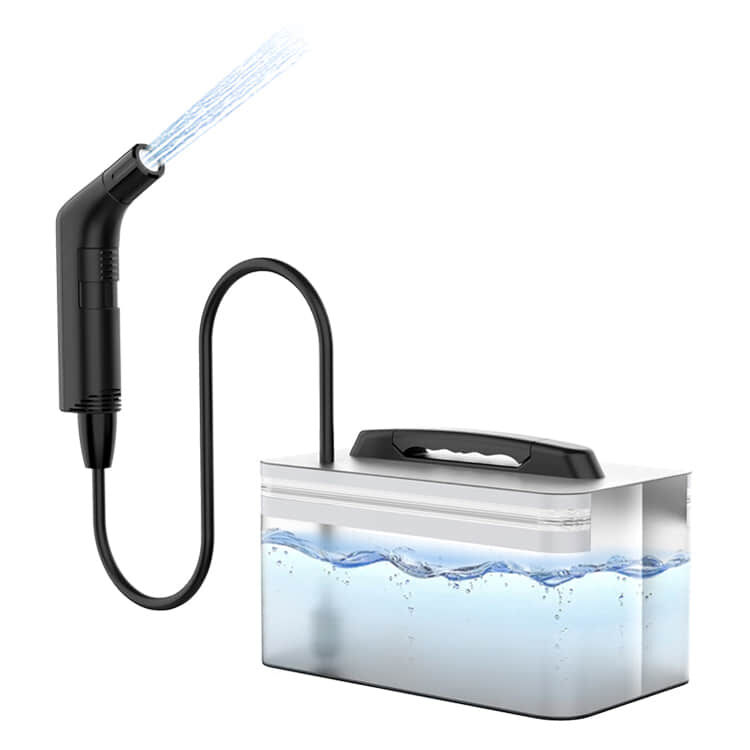
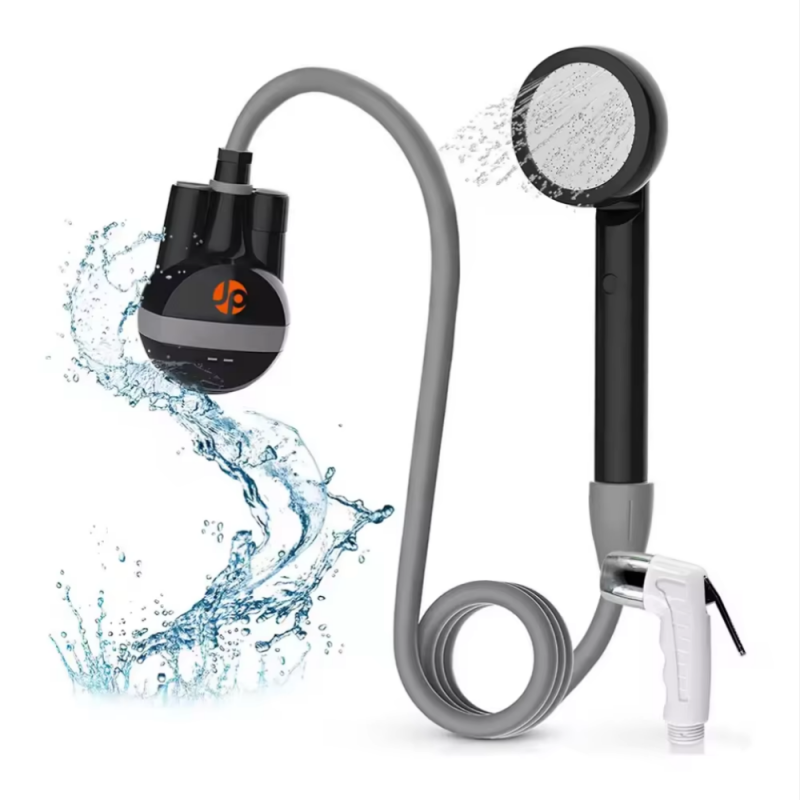
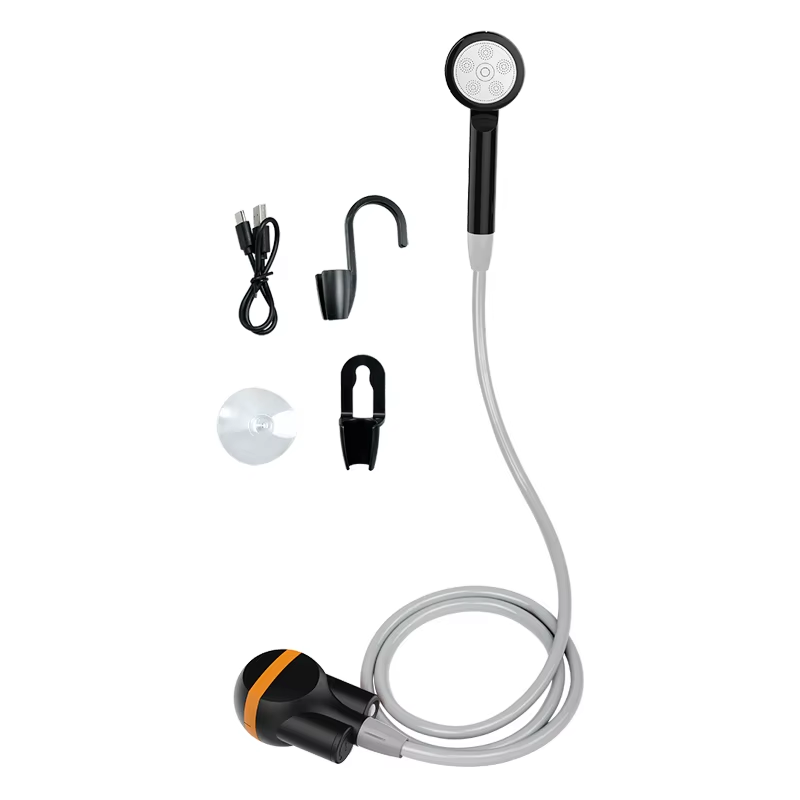
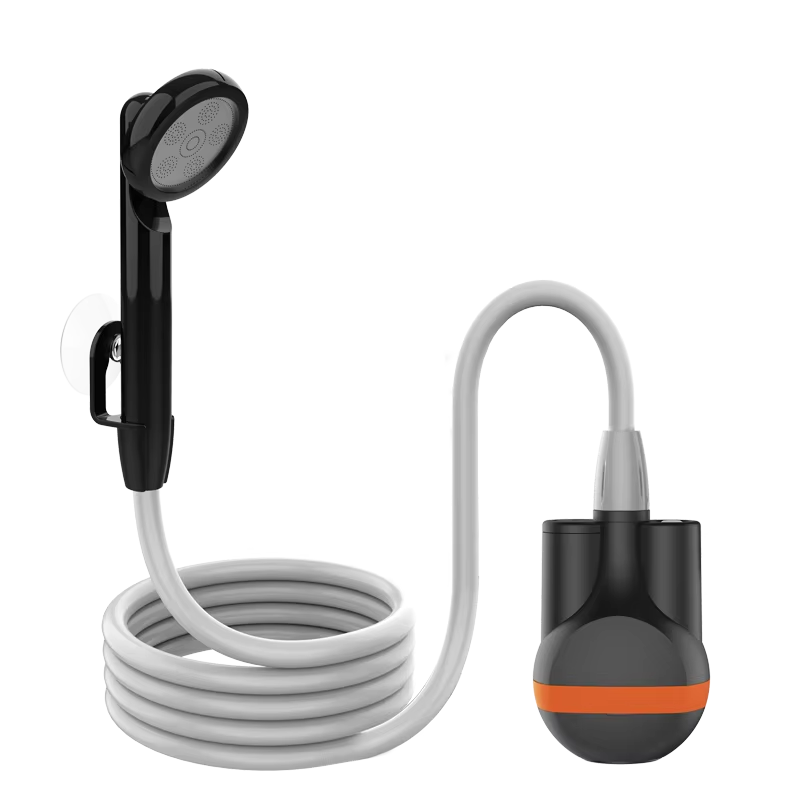
The evolution of the portable water pump has opened entirely new possibilities for personal hygiene in settings where running water is limited or unavailable. Compact, battery-powered, or USB-rechargeable pump models can transform a simple container of water into a functional shower or bidet system within seconds. This is especially valuable for travelers, campers, or individuals with specific hygiene requirements.
A portable electric water pump rated at 5V can operate directly from a standard USB power bank, making it an exceptionally practical tool for modern mobile lifestyles. The low power requirement does not compromise performance; instead, it reflects advances in motor miniaturization and fluid dynamics engineering that allow smaller units to generate surprisingly effective pressure output.
For personal hygiene applications such as bidets and portable showers, the water pump must also meet waterproofing standards to ensure safety during use. IPX8-rated units—meaning they are protected against continuous immersion in water—represent the gold standard for these environments. This level of certification ensures that the pump operates safely and reliably even in the most demanding conditions.
Bidet and Toilet Hygiene Applications
A water pump designed for bidet and toilet hygiene use serves a very specific and practical function: delivering controlled, gentle water pressure to sensitive areas with minimal mess and maximum comfort. Unlike gravity-fed systems, which depend entirely on the height of the water source to generate pressure, a pump-based bidet provides consistent output regardless of container position.
This makes pump-driven bidets particularly useful in healthcare settings, post-surgical recovery, or for elderly users who require a reliable and easy-to-use hygiene solution. The water pump ensures that even a small reservoir delivers sufficient pressure to perform effectively, maximizing the utility of every drop of water used.
The efficiency gain here is both functional and resource-related. A targeted, pressurized stream from a water pump uses significantly less water than manual washing while achieving better hygiene results. This dual benefit—better performance with lower resource consumption—is the hallmark of a well-engineered pump application.
Waterproofing Standards and Operational Reliability
Why IPX8 Certification Matters for a Water Pump
When a water pump is intended for use in wet environments, its waterproofing rating is not a marketing detail—it is a safety and longevity requirement. The IPX8 standard certifies that a device can withstand continuous submersion in water beyond one meter for extended periods, making it the most appropriate classification for pumps used in shower, bath, and bidet applications.
A water pump without adequate waterproofing may function initially but will degrade rapidly when exposed to moisture ingress. Water entering the motor housing causes corrosion, insulation breakdown, and eventually electrical failure. Choosing an IPX8-rated water pump eliminates these risks and ensures that the device continues performing efficiently throughout its intended service life.
For B2B buyers sourcing pumps for product integration—such as manufacturers of personal care devices or hygiene equipment—the IPX8 rating is also a regulatory and liability consideration. Products sold in major markets often require compliance with specific ingress protection standards, and integrating a certified water pump simplifies the certification pathway for the final product.
Material and Construction Factors in Pump Longevity
The materials used in a water pump directly influence how efficiently it operates over time. Corrosion-resistant materials such as ABS plastic housings, stainless steel impeller components, and food-grade silicone seals contribute to both safety and durability. A pump constructed with inferior materials may initially meet performance specifications but will degrade faster, leading to efficiency losses that accumulate over time.
Thermal management is another construction consideration that affects efficiency. Motors that run hot consume more energy, produce more noise, and fail sooner. A well-designed water pump incorporates heat dissipation features—whether through passive cooling geometry or thermally conductive housings—that keep operating temperatures within optimal ranges.
For portable water pump applications, weight and form factor are also efficiency considerations. A lighter, more compact pump requires less energy to operate and is more practical for the end user. Engineering teams that optimize both the structural and thermal performance of a pump create a product that delivers superior efficiency at every stage of its operational life.
Selecting the Right Water Pump for Your System
Matching Pump Specifications to System Requirements
Selecting the correct water pump is as important as having one at all. An undersized pump will struggle to meet demand, creating bottlenecks and increasing wear. An oversized pump will consume unnecessary energy and may create damaging pressure spikes. The selection process should begin with a clear understanding of the required flow rate, the operating pressure range, and the power supply available.
For portable personal hygiene systems powered by USB at 5V, the water pump must be matched to low-voltage operation without sacrificing flow output. This requires efficient motor design and precise impeller geometry. Buyers should review published performance curves and, where possible, request technical data sheets that confirm the pump's output at the exact operating voltage and pressure relevant to their application.
Noise levels are an often-overlooked specification that affects user satisfaction and system perception. A high-quality water pump operating at low decibel levels contributes to a comfortable user experience, particularly in personal care or healthcare contexts where noise sensitivity is high. This specification should be treated as a functional requirement rather than a secondary preference.
Versatility as a Value Driver in Pump Selection
A versatile water pump that can serve multiple applications within a single system—or adapt across different use contexts—offers significantly better return on investment than a single-purpose unit. Portability, adjustable flow settings, and compatibility with multiple water sources are features that expand a pump's utility and justify its selection over more rigid alternatives.
For organizations sourcing pumps for integration into multi-function personal care devices, versatility directly translates to product development efficiency. A single certified water pump model that performs reliably as both a shower pump and a bidet pump reduces the number of components to qualify, certify, and manage in the supply chain. This simplification has measurable cost and time benefits at scale.
End users also benefit from versatility. A traveler carrying a single portable water pump that functions as a shower, bidet, and general cleaning tool carries less equipment while maintaining higher hygiene standards. This type of system efficiency—doing more with less—is exactly the outcome that well-designed pump engineering enables.
FAQ
What makes a water pump improve the efficiency of a water system?
A water pump improves system efficiency by regulating pressure, maintaining consistent flow rates, and ensuring that water is delivered precisely where and when it is needed. This eliminates waste, reduces energy consumption from repeated cycling, and extends the life of downstream components by preventing pressure fluctuations that cause mechanical stress.
Is a 5V electric water pump powerful enough for shower and bidet use?
Yes, a well-engineered 5V electric water pump is entirely capable of delivering sufficient pressure for shower and bidet applications. Advances in brushless motor technology and impeller design allow low-voltage pumps to generate effective flow rates that meet personal hygiene needs comfortably, especially when paired with appropriately sized nozzles and tubing.
Why is IPX8 waterproofing important for a water pump used in personal hygiene?
IPX8 certification ensures that the water pump can operate safely when exposed to water submersion, which is an unavoidable condition in shower, bath, and bidet environments. Without this level of protection, moisture ingress can cause motor failure and pose electrical safety risks. IPX8-rated pumps provide both user safety and long-term operational reliability.
How do I choose the right water pump for a portable hygiene application?
Start by identifying your required flow rate, acceptable pressure range, power source (such as a USB power bank), and the environments in which the water pump will be used. Prioritize models with IPX8 waterproofing, low noise operation, corrosion-resistant materials, and published technical performance data. Versatility across multiple use cases—shower, bidet, general cleaning—adds significant long-term value to your selection.