
 EN
EN
A water container is one of the most versatile tools a person can own, yet many people limit their thinking to simple storage when they hear the term. In reality, a well-designed water container can serve a wide range of functional purposes that extend far beyond keeping liquids in one place. Whether you are managing hygiene routines at home, traveling through areas with limited facilities, or spending time outdoors in nature, the right water container can adapt to each of those scenarios with surprising efficiency. Understanding how to unlock this dual-purpose potential starts with recognizing what features separate a general container from a truly flexible, multi-environment solution.
The demand for a water container that works equally well indoors and outdoors has grown significantly in recent years, driven by increasingly mobile lifestyles, a rising interest in outdoor recreation, and a greater awareness of personal hygiene practices in different cultural and religious contexts. Modern product engineering has responded to this demand by creating compact, rechargeable, and foldable solutions that bridge the gap between home use and travel use. This article explores the specific ways a water container can be applied across different environments and explains what design elements make that adaptability possible.
The Core Concept of a Dual-Purpose Water Container
Rethinking What a Water Container Can Do
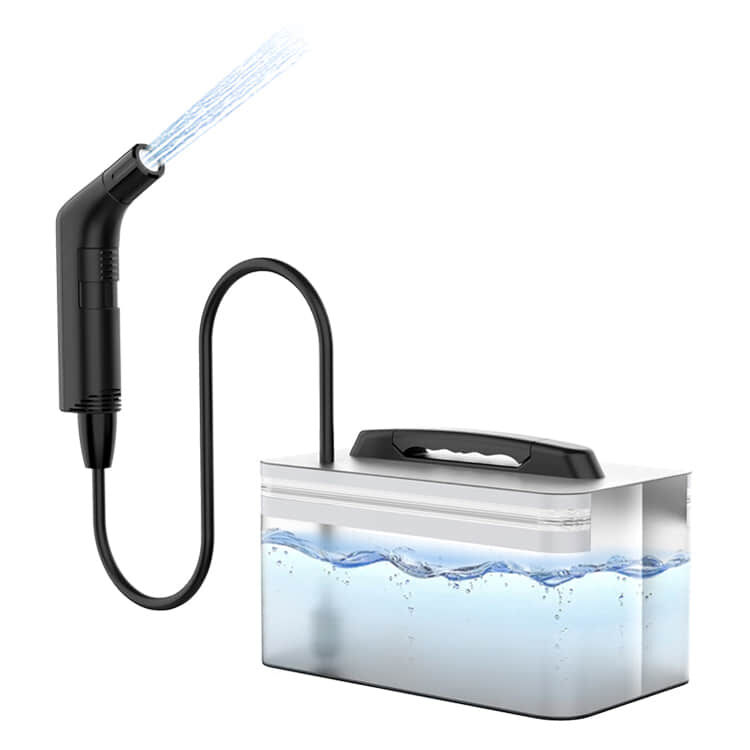
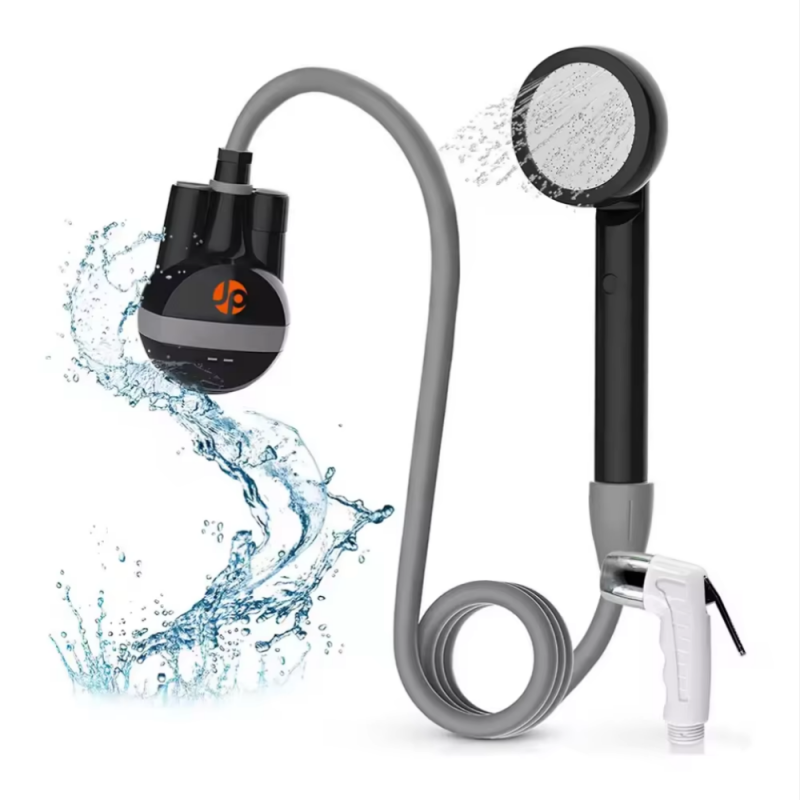
Most people associate a water container with passive storage — a tank, a bottle, or a bucket that simply holds water until it is needed. However, the modern interpretation of a water container takes a far more active role in daily life. When integrated with components like a pressurized spray mechanism, a rechargeable pump, or a collapsible structure, the water container becomes a functional device rather than just a vessel. This shift in design philosophy is what allows a single product to serve both indoor hygiene needs and outdoor utility demands.
A water container designed for dual use must balance portability with capacity, ease of use with durability, and compactness with functionality. These are not competing priorities when engineering is done correctly — they are complementary goals that inform one another throughout the design process. The result is a product that a user can keep in a bathroom cabinet at home and then pack into a travel bag without any modification or preparation. That seamless transition between environments is the defining characteristic of a genuinely dual-purpose water container.
Why Environment Flexibility Matters
Environment flexibility in a water container matters because real-world conditions are unpredictable. A camping trip might involve a single designated toilet area shared among many people. An international flight might lead to a layover at an airport with limited hygiene infrastructure. A hospital stay or a period of reduced mobility at home might make standard plumbing inconvenient. In all of these situations, a portable and self-contained water container provides a reliable, sanitary solution that does not depend on fixed infrastructure.
For users who follow specific religious hygiene practices, such as Islamic cleansing rituals that require the use of water rather than dry paper, a water container becomes an essential daily tool rather than an optional accessory. These users need a product that functions reliably at home as part of their fixed routine but also travels with them to offices, hotels, mosques, and outdoor locations. The dual-purpose nature of the water container is therefore not a convenience feature but a genuine necessity for a significant portion of the global population.
Indoor Applications of a Versatile Water Container
Personal Hygiene and Bathroom Use
The most common indoor application of a portable water container is personal hygiene, particularly in the bathroom setting. Traditional bidets are fixed plumbing fixtures that require installation, significant cost, and a permanent bathroom configuration. A portable water container with an integrated spray function eliminates all of those barriers. Users can fill the container at any sink, apply it during bathroom use, and store it discreetly without any permanent alteration to the bathroom setup. This makes it accessible to renters, people in shared housing, and anyone living in older buildings where plumbing modifications are not feasible.
Beyond the basic hygiene function, an indoor water container with a controlled spray output can also support postpartum care, medical hygiene for individuals recovering from surgery or managing specific health conditions, and general wound or skin care routines that require gentle water application. The precision of a spray nozzle on a modern water container allows for targeted application that a standard tap or showerhead cannot provide. This level of control makes the water container a medically practical tool as well as a hygiene convenience.
Home Utility and Household Convenience
A water container also has a range of non-hygiene indoor uses that are easy to overlook. Plant watering is one of the most straightforward — a compact water container with a controllable flow can deliver water precisely to the base of a plant without disturbing the soil or overwatering. This is especially useful for plants positioned in tight spaces where a standard watering can would be awkward to maneuver. The portability of the water container means a user can fill it once and move freely between plants throughout the home without returning to the sink repeatedly.
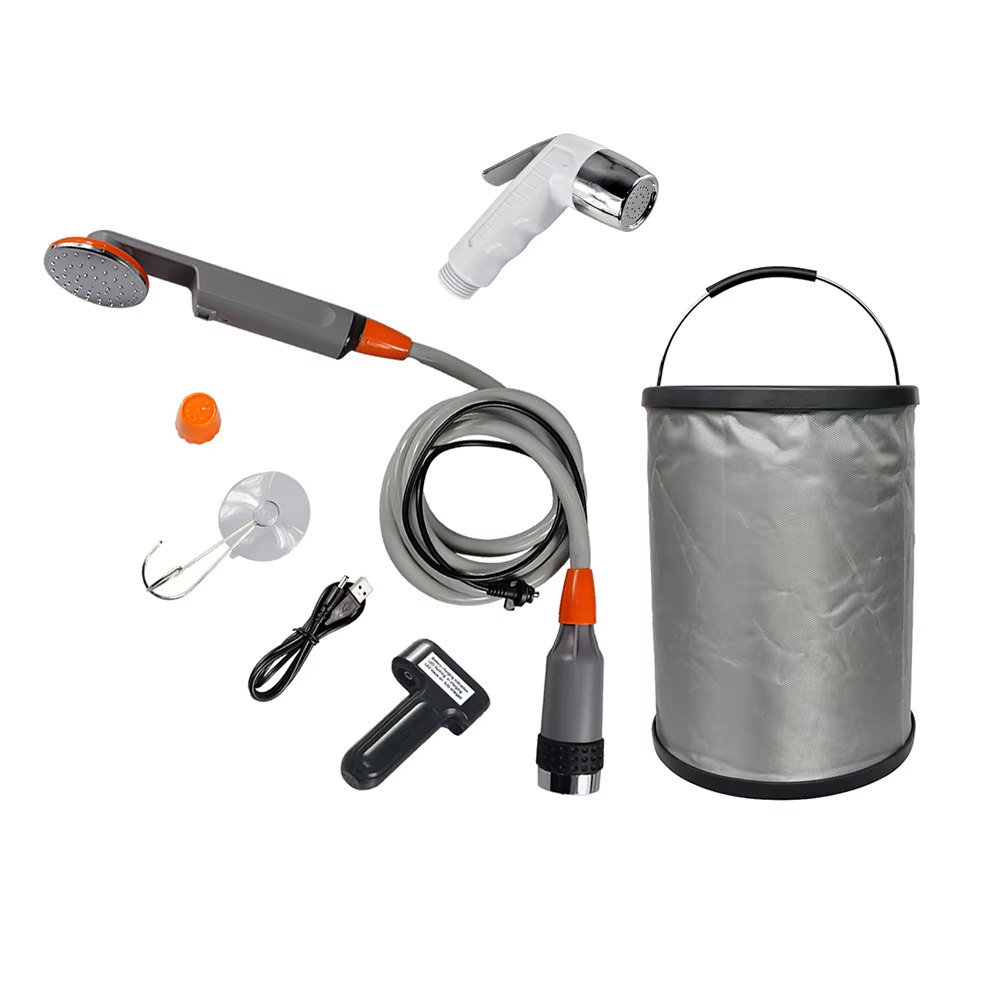
In households where the nearest water source is not always adjacent to the point of need — such as a garage workshop, an attic storage area, or a multi-story home where carrying a full jug is cumbersome — a lightweight and refillable water container offers a practical solution for having water on hand without infrastructure. The foldable bucket component found in some models makes storage even more efficient, allowing the container system to compress into a compact form when not in use and expand to functional capacity when needed.
Outdoor Applications of a Portable Water Container
Camping, Hiking, and Wilderness Use
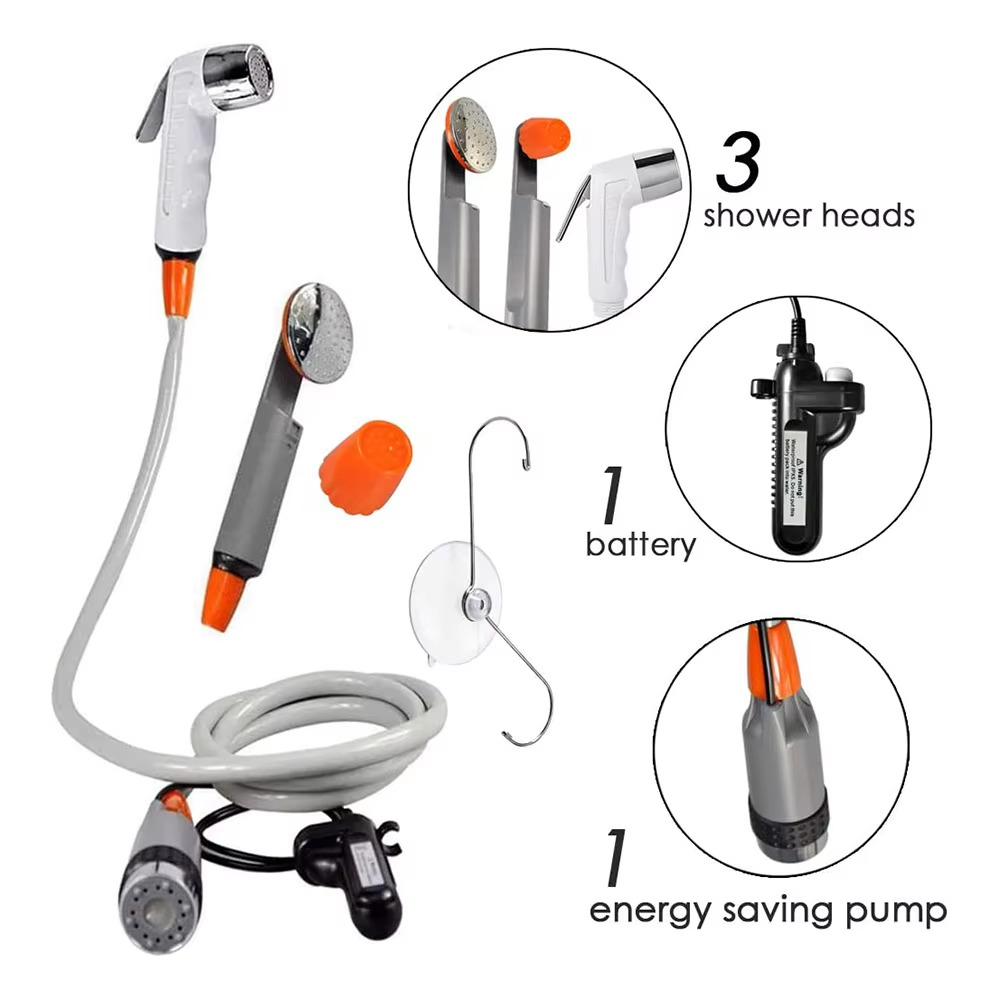
Outdoor environments present unique challenges for personal hygiene and water access. In a camping or hiking context, access to clean running water is limited, and fixed sanitation infrastructure is often entirely absent. A portable water container that is lightweight, rechargeable via USB, and capable of generating controlled water pressure allows outdoor users to maintain hygiene standards that would otherwise be impossible in remote settings. This is not a minor comfort — adequate sanitation in wilderness environments is directly linked to health outcomes, particularly on extended trips.
The water container in outdoor settings also serves functions beyond personal hygiene. It can be used to rinse cooking utensils, wash fresh produce collected during foraging, clean minor wounds, or rinse off muddy gear before packing it. A foldable water container is particularly valuable here because it does not take up significant pack space when empty and can be unfolded and filled at a water source when needed. The USB-rechargeable feature means that users with a solar power bank or a car power source can maintain the device's functionality throughout a multi-day outdoor trip without carrying disposable batteries.
Travel, Pilgrimage, and Mobile Lifestyle Use
For travelers, pilgrims, and people who spend significant time away from their home environment, the water container is a critical piece of personal kit. Travel introduces unpredictable bathroom conditions — some destinations have well-equipped facilities, while others do not. A self-contained water container that fits in a carry-on bag, operates without any external connection, and can be refilled from any tap gives the traveler complete control over their hygiene regardless of the destination's infrastructure.
Muslim travelers performing Hajj or Umrah represent one of the most prominent user groups for a travel-oriented water container. The sheer scale of these pilgrimages, combined with the religious requirement for water-based cleansing, creates a consistent and critical demand for a reliable portable water container. The same product logic applies to business travelers, backpackers, aid workers in field environments, and anyone managing long-distance travel across multiple countries with different sanitation standards. A well-engineered water container addresses all of these needs within a single, compact product form.
Design Features That Enable Indoor-Outdoor Adaptability
Portability and Structural Design
The ability of a water container to function across both indoor and outdoor contexts depends heavily on its structural design. A rigid container made from heavy materials may be perfectly functional in a bathroom but becomes a liability when added to a travel bag. Foldable and collapsible designs solve this problem by allowing the water container to shrink to a fraction of its filled size when empty. This means users can carry the folded container in a jacket pocket, a small pouch, or a toiletry bag and deploy it only when water access is available.
Material selection also plays a significant role in adaptability. A water container intended for both indoor and outdoor use should be made from food-grade, BPA-free materials that resist odor, staining, and microbial growth even when the container is stored without thorough drying. Silicone and high-density food-grade plastics are common choices that satisfy both hygiene standards and durability requirements for outdoor exposure. The nozzle and spray components must be equally robust, capable of withstanding minor drops, pressure variations, and temperature changes without leaking or malfunctioning.
Power Source and Operational Independence
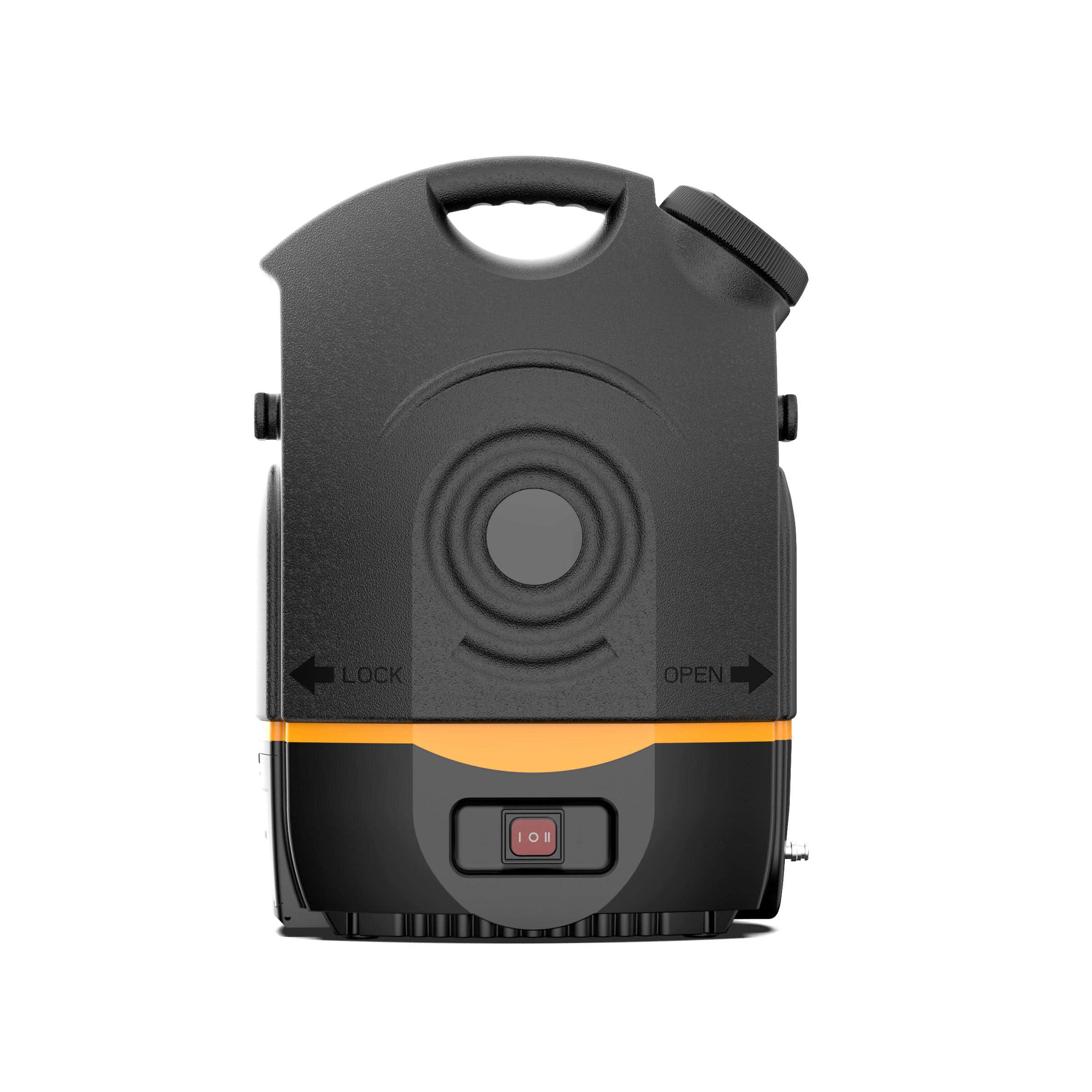
A water container that relies on manual squeezing or gravity-fed flow is functional but limited in the pressure and precision it can deliver. USB-rechargeable motor-driven pumps integrated into the water container design represent a significant upgrade in both performance and user experience. These systems allow the user to adjust spray intensity, maintain consistent pressure throughout the container's volume, and operate with one hand — a practical advantage in both bathroom and outdoor hygiene scenarios.
The water container with USB-rechargeable capability eliminates the dependency on disposable batteries, making it both more economical and more environmentally responsible over time. A single charge typically provides enough operational time for multiple days of normal use, meaning that weekend trips, short pilgrimages, or a week of travel can be completed on a single charge cycle. This operational independence is a key factor in the product's ability to serve both home environments where charging is routine and outdoor environments where charging opportunities are limited.
Choosing the Right Water Container for Your Specific Context
Evaluating Your Primary Use Environment
Before selecting a water container, it is useful to evaluate which environment will be the primary use case and which will be secondary. A user who primarily needs a bathroom hygiene solution with occasional travel use should prioritize ease of use, nozzle precision, and discreet storage. A user who primarily travels or spends time outdoors should prioritize folding volume, battery life, and weight. In practice, many modern water container designs accommodate both profiles without requiring a trade-off, but understanding personal priorities helps in selecting the right model and capacity.
Capacity is an important variable when assessing a water container for dual-purpose use. A larger capacity reduces the frequency of refilling during outdoor use, which is valuable when water sources are distant. However, a larger container is also heavier and bulkier when full, which can be a disadvantage during hiking or when traveling light. Many users find that a mid-range capacity — typically between 300 and 600 milliliters for a jet-type water container — offers the best balance between extended use and portability across both indoor and outdoor contexts.
Assessing Hygienic Maintenance Requirements
A water container used across different environments requires consistent hygienic maintenance to remain safe and functional. Users should look for designs that allow easy disassembly for cleaning, have smooth internal surfaces that do not trap residue, and are compatible with standard cleaning agents without material degradation. Nozzle components in particular should be inspectable and cleanable, as these parts are most exposed to biological contact during hygiene use.
After outdoor use, a water container that has been filled from natural water sources should be rinsed thoroughly with clean water and allowed to dry completely before storage. This prevents mold growth and odor development, both of which can compromise the hygiene function of the product. A water container with antibacterial material properties or a nozzle cover that protects the spray point during storage offers additional protection for users who move frequently between environments where contamination risk varies.
FAQ
Can a single water container really replace both a home bidet and a travel hygiene tool?
Yes, in most cases a well-designed portable water container can serve both functions effectively. The key is that the product must offer sufficient spray pressure for hygiene use, compact storage for travel, and a design that is easy to refill from standard sinks. Many users who invest in a quality dual-purpose water container report that it fully replaces the need for a fixed bidet at home while also solving their travel hygiene challenges in a single product.
How long does the charge on a USB-rechargeable water container typically last?
The battery life of a USB-rechargeable water container varies by model and usage intensity, but most mid-range products designed for travel and outdoor use offer between 30 and 60 minutes of continuous spray operation on a full charge. For typical intermittent bathroom use, this translates to several days or even a full week of normal daily use before recharging is needed. Users planning extended outdoor trips should verify the specific battery capacity and plan charging opportunities accordingly.
Is a foldable water container durable enough for rough outdoor conditions?
A foldable water container made from high-quality silicone or thick food-grade plastic is generally quite durable for outdoor use under normal conditions. These materials can withstand repeated folding and unfolding, minor impacts, and exposure to sunlight and varying temperatures without significant degradation. However, users should avoid puncture hazards and extended storage in extreme heat, which can weaken the material over time. For rough expedition use involving sharp terrain or extreme temperature ranges, a semi-rigid water container may offer better long-term durability.
What is the best way to maintain hygiene in a water container used across different environments?
The most effective approach is to rinse the water container thoroughly after each use, allow it to air dry completely before storage, and perform a deeper clean with a diluted food-safe cleaning solution at least once per week during regular use. The nozzle should be removed and cleaned separately whenever possible, as this is the area most exposed to contact. When switching from outdoor water sources to indoor tap water, it is advisable to flush the system with clean tap water before use to dilute any residual contaminants from the previous fill.
Table of Contents
- The Core Concept of a Dual-Purpose Water Container
- Indoor Applications of a Versatile Water Container
- Outdoor Applications of a Portable Water Container
- Design Features That Enable Indoor-Outdoor Adaptability
- Choosing the Right Water Container for Your Specific Context
-
FAQ
- Can a single water container really replace both a home bidet and a travel hygiene tool?
- How long does the charge on a USB-rechargeable water container typically last?
- Is a foldable water container durable enough for rough outdoor conditions?
- What is the best way to maintain hygiene in a water container used across different environments?