
 EN
EN
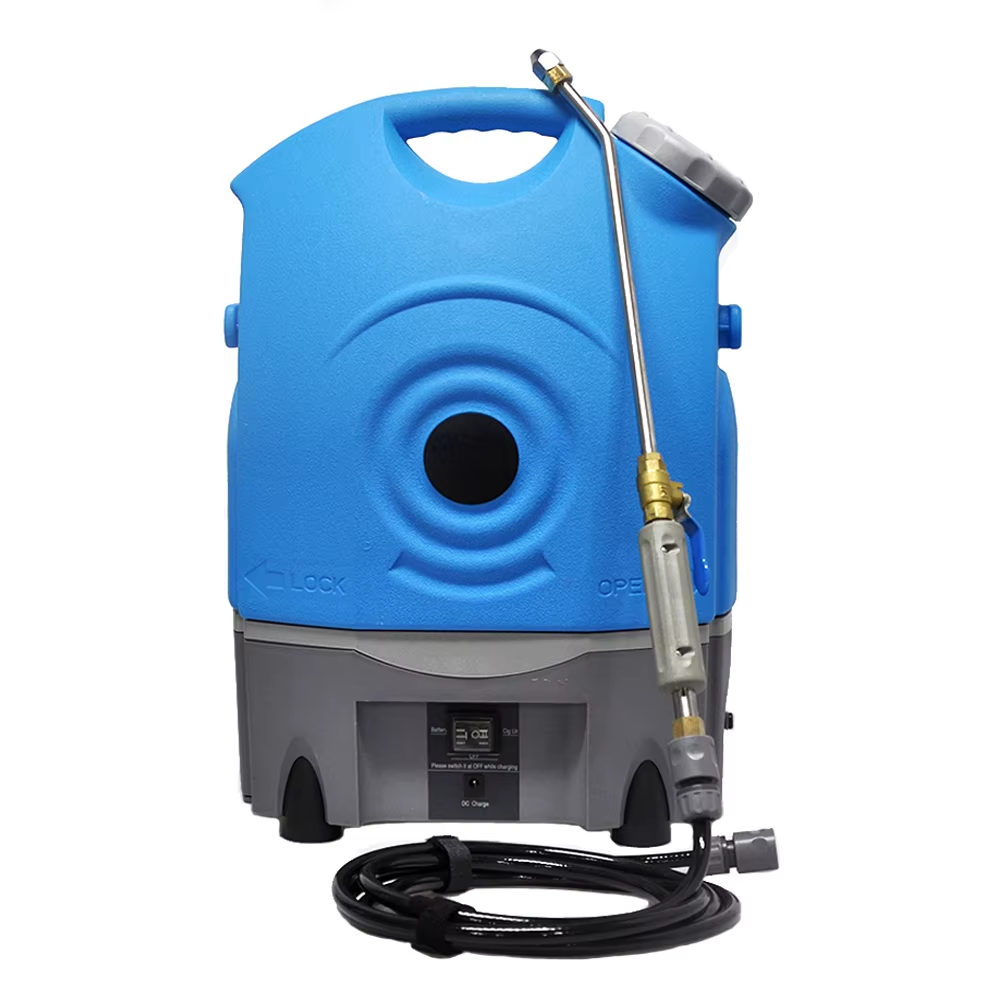
For camping and hiking, water planning is not a comfort issue, it is a risk control issue. People may accept wet boots, delayed meals, or a rough sleeping surface, but they cannot accept losing clean water access in the middle of a trail day. That is why durable water containers are preferred in outdoor travel: they reduce failure points when movement, weather, and rough handling are unavoidable. In practical field use, durable water containers protect hydration reliability, improve load planning, and lower replacement frequency over repeated trips.
The preference for durable water containers is also driven by decision logic in real outdoor routines. Campers and hikers often refill from uncertain sources, pack gear in tight spaces, and move equipment in vehicles, boats, and backpacks where impact is common. Under these conditions, durable water containers become a practical standard because they hold shape, resist leaks, and maintain water quality while being handled repeatedly. This article explains the reasons behind that preference, focusing on field performance, operational value, and long-term usability.
Reliability Under Outdoor Stress
Impact resistance in transport and trail movement
Camping and hiking routes introduce repeated mechanical stress. Gear is lifted, stacked, dropped, and shifted across gravel roads, trailheads, and uneven campsites. Durable water containers are preferred because they can absorb these impacts without cracking at seams, corners, or lids, where failures usually begin. When a container survives rough handling, the user avoids sudden water loss and the operational disruption that follows.
In multi-day trips, one container failure can affect cooking schedules, hygiene routines, and emergency reserves at the same time. Durable water containers reduce this exposure by maintaining structural integrity across repeated handling cycles. This is especially relevant for groups sharing common supplies, where a single compromised unit affects several people. The preference is therefore linked to dependable continuity, not only material strength.
Leak prevention and seal consistency
Outdoor users value dependable sealing because leakage can damage food, clothing, electronics, and sleeping systems stored nearby. Durable water containers are usually built with stronger lid threads, better gasket stability, and less deformation under pressure. These features help preserve a tight seal even after repeated opening and closing, which is common during hikes and camp setup. Better sealing means fewer surprises inside packs and vehicles.
Temperature swings also challenge closure performance. Containers may warm in direct sunlight and cool rapidly overnight, causing expansion and contraction effects. Durable water containers are preferred because they are more likely to retain seal integrity across these changes. Consistent sealing directly supports hydration confidence, especially when refill opportunities are limited.
Water Safety and Hygiene Confidence
Material stability during repeated use
Water safety is a core reason durable water containers are preferred by experienced campers and hikers. A stronger container typically resists micro-cracking and interior abrasion that can make cleaning harder over time. When surfaces stay more stable, users can rinse and sanitize more effectively between trips. This helps reduce odor retention and supports cleaner long-term storage conditions.
Durable water containers also support predictable water handling when used for drinking and cooking in remote settings. If container walls collapse or warp, flow control and pouring become less stable, increasing spill risk around food prep zones. A stable body shape improves handling precision and keeps camp routines cleaner. Practical hygiene in the field depends on these small but repeated interactions.
Protection from contamination pathways
Contamination does not only come from source water; it also comes from storage failures. Damaged lids, weak handles, and cracked rims can introduce dirt at transfer points. Durable water containers are preferred because they reduce these pathways through stronger closure zones and sturdier transport features. Cleaner interfaces at openings make it easier to keep hands, nozzles, and funnels from contacting compromised edges.
When hikers refill from filtered streams or camp purification systems, containment quality matters as much as treatment quality. Durable water containers preserve the value of filtration by keeping treated water protected after transfer. This is one reason teams often standardize around durable water containers for shared logistics. The preference is based on maintaining safe outcomes from source to consumption.
Operational Efficiency for Camp and Trail Workflows
Load planning and carry predictability
Weight distribution and carry ergonomics are central to camping and hiking efficiency. Durable water containers are preferred because they keep their form under load, making them easier to pack against other gear and secure in transport. Predictable dimensions support better use of limited cargo volume in backpacks, bins, and vehicle compartments. This reduces shifting during movement and lowers handling fatigue.
In group trips, water allocation is often pre-planned by day, route segment, and campsite access. Durable water containers support this planning by reducing uncertainty about breakage or leakage losses. Teams can assign volumes with more confidence and avoid emergency ration changes. That operational stability is a practical reason for their widespread preference.
Faster setup and reduced interruption time
Camp routines work best when water systems are simple and reliable. Durable water containers are preferred because they require less troubleshooting at arrival, such as re-sealing caps, cleaning leaks, or transferring water to backup vessels. Faster setup gives users more time for shelter, food preparation, and route checks before daylight drops. Time saved at each stop accumulates over multi-day travel.
During hikes, breaks are often brief and weather-dependent. Durable water containers enable quick access and re-packing without concern that closures will fail on the next section. That consistency lowers cognitive load and helps maintain pace. In outdoor operations, small reliability gains produce meaningful schedule control.
Long-Term Value Across Repeated Trips
Lifecycle cost and replacement frequency
From a budget perspective, durable water containers are preferred because they usually remain serviceable across many outings. Lower-quality options may appear economical at purchase but can fail after limited exposure to impact, sun, and repeated handling. Replacing containers mid-season increases total cost and creates planning friction. Durable water containers shift cost from repeated replacement to longer service life.
This matters for both individual users and organizations that manage group outdoor activities. A stable inventory of durable water containers simplifies procurement and reduces emergency purchasing. Consistent equipment also improves training because users become familiar with one handling pattern. The value case is tied to continuity, not only initial price.
Sustainability through reuse and waste reduction
Durability supports sustainability in practical terms. When durable water containers stay functional longer, fewer units are discarded due to cracks, leaks, or handle failures. This lowers material waste associated with frequent replacement cycles and reduces transport impact from repeated purchases. For users who camp or hike regularly, reuse is the most direct environmental gain.
Durable water containers also reduce reliance on single-use bottles during camps with stationary water reserves. By carrying larger, dependable volumes, users can refill personal bottles rather than consuming disposable packaging daily. The preference for durable water containers therefore aligns operational reliability with responsible resource use. In outdoor practice, performance and sustainability are often linked.
FAQ
Why are durable water containers more important on longer hiking routes?
Longer routes increase exposure to impact, weather changes, and repeated handling, all of which raise failure risk. Durable water containers are preferred because they maintain seal quality and structural integrity over extended use. On long routes, replacement options are limited, so reliability has direct safety value. Their consistent performance helps prevent hydration disruptions when distance and terrain already add pressure.
Are durable water containers only useful for group camping?
No, solo hikers also benefit because container failure affects them even more directly. Durable water containers protect individual reserves, simplify packing, and reduce leak-related gear damage. In solo travel, there is less redundancy, so reliable storage has higher importance. The same durability advantages scale from one person to larger teams.
Do durable water containers help with water hygiene in real field conditions?
Yes, they support hygiene by resisting deformation, reducing crack formation, and preserving cleaner sealing surfaces. Durable water containers are easier to maintain across repeated trips because their interior and closure areas stay more stable. This helps keep treated or filtered water protected after transfer. Hygiene reliability depends on both purification and dependable storage.
What should users prioritize when selecting durable water containers for camping and hiking?
Users should prioritize structural strength, dependable sealing, manageable handling, and compatibility with their transport workflow. Durable water containers that balance these factors provide better field reliability than options focused only on low purchase price. The right choice supports daily hydration, efficient camp setup, and long-term reuse. Preference should be based on performance under real outdoor stress, not appearance alone.
Table of Contents
- Reliability Under Outdoor Stress
- Water Safety and Hygiene Confidence
- Operational Efficiency for Camp and Trail Workflows
- Long-Term Value Across Repeated Trips
-
FAQ
- Why are durable water containers more important on longer hiking routes?
- Are durable water containers only useful for group camping?
- Do durable water containers help with water hygiene in real field conditions?
- What should users prioritize when selecting durable water containers for camping and hiking?