
 EN
EN
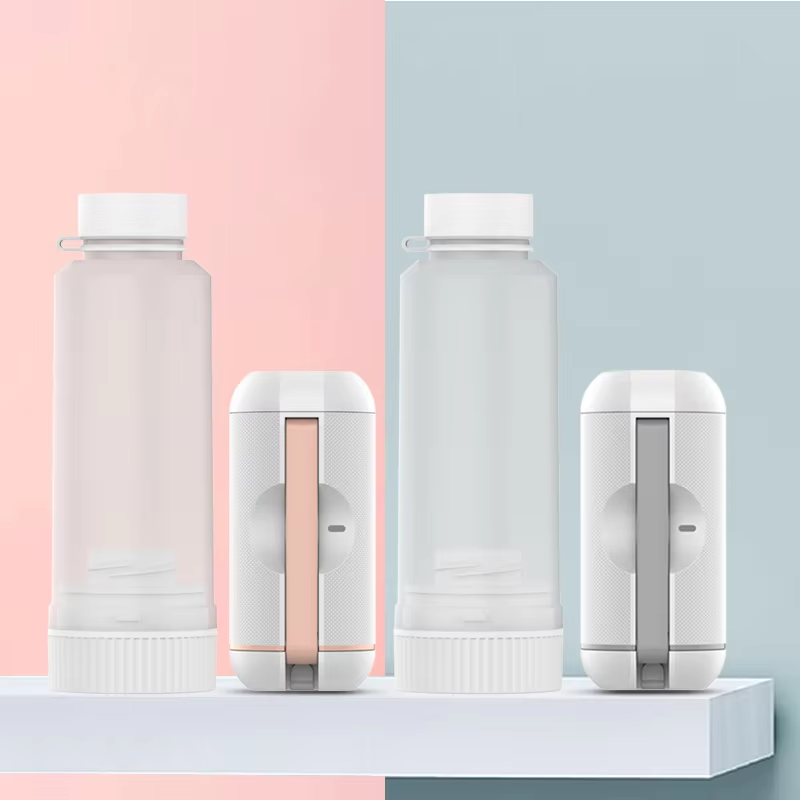
A water outage rarely gives advance notice, which is why planning for safe storage matters before any disruption starts. The central value of a water container for emergency preparedness is reliability: it gives households and facilities a controlled, protected reserve when municipal flow is interrupted, contaminated, or restricted. Instead of reacting under pressure, teams that keep a water container for emergency preparedness can maintain basic hydration, hygiene, and operational continuity during the first critical hours.
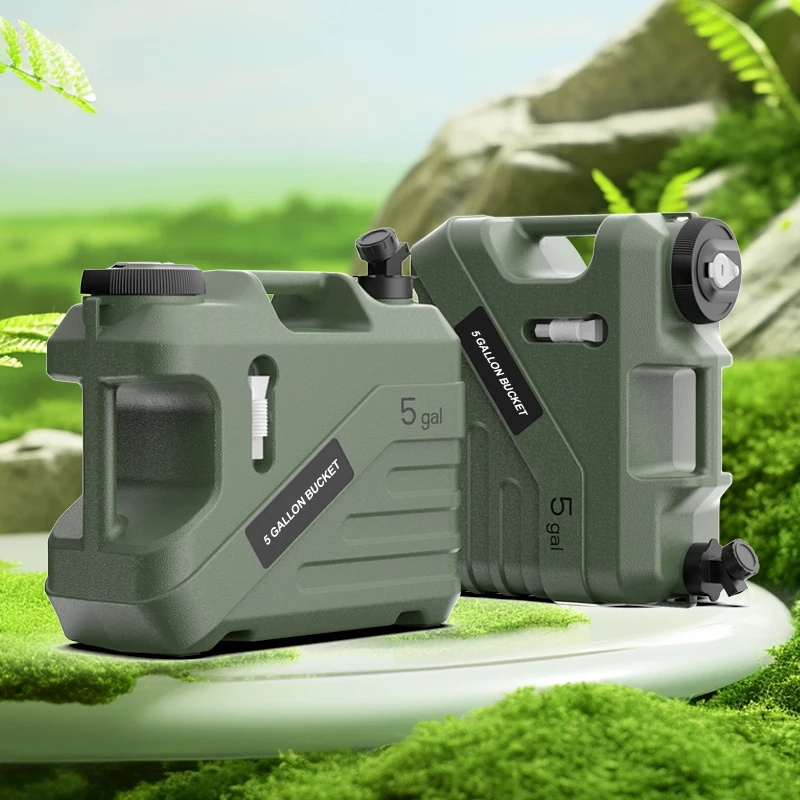
For B2B buyers, site managers, and safety coordinators, the question is not whether water is essential, but what practical benefits a water container for emergency preparedness delivers in real operations. A well-selected water container for emergency preparedness reduces risk exposure, supports compliance planning, stabilizes response workflows, and lowers emergency procurement stress. These benefits become even more visible in industrial settings where downtime, workforce welfare, and safety obligations are tightly connected.
Core Operational Value in the First 72 Hours
Immediate access when supply systems fail
The most direct benefit of a water container for emergency preparedness is instant availability. During line breaks, weather events, or contamination advisories, organizations with pre-staged reserves do not depend on uncertain external deliveries. That independence protects response speed and prevents panic decisions that often create additional safety issues.
In practical terms, a water container for emergency preparedness supports continuity at worksites, warehouses, temporary camps, and maintenance hubs. Teams can continue priority tasks while emergency coordinators assess the disruption. This buffer period is often the difference between controlled incident management and cascading operational interruption.
Stability for people, process, and safety routines
Hydration and sanitation are foundational to workforce stability. A water container for emergency preparedness helps preserve essential routines such as drinking access, basic handwashing, and limited cleaning actions, which are critical for both health and morale. When people see that core needs are covered, they follow protocols more calmly.
From a risk perspective, a water container for emergency preparedness also supports safer decision-making. Teams are less likely to use uncertain water sources or interrupt procedures due to shortages. This improves control over incident conditions and keeps emergency response aligned with documented safety plans.
Risk Reduction and Resilience Benefits
Lower exposure to single-point failure
Any organization relying on one supply channel carries concentration risk. A water container for emergency preparedness acts as a simple but effective redundancy layer, reducing dependence on one network, one delivery schedule, or one utility condition. Redundancy is not excess in emergency planning; it is a protective design principle.
Because a water container for emergency preparedness is stored on-site, access remains under internal control. This matters when roads are blocked, local demand spikes, or logistics become unpredictable. The ability to draw from controlled reserve gives managers time to prioritize tasks without immediate external constraints.
Improved incident response confidence
Confidence during disruption is built through preparation, not improvisation. A visible and maintained water container for emergency preparedness signals that emergency planning is practical rather than theoretical. It strengthens trust among teams, contractors, and visitors because a basic life-support resource is already secured.
This confidence has strategic value in B2B environments where response quality affects audits, client expectations, and internal governance. Integrating a water container for emergency preparedness into drills and continuity reviews makes emergency plans easier to execute under stress and easier to defend in post-incident evaluations.
Business Continuity and Cost-Management Advantages
Reduced emergency purchasing pressure
A frequent hidden cost in disruptions is rushed procurement. When no reserve exists, buyers may pay premium pricing, accept poor-fit packaging, or face delayed delivery windows. Maintaining a water container for emergency preparedness reduces this pressure by covering immediate demand while normal sourcing pathways recover.
For procurement leaders, this means better control of budget variance and fewer unplanned transactions. A water container for emergency preparedness does not eliminate all emergency costs, but it prevents the most expensive first-wave purchases driven by urgency rather than planning.
Protection against downtime escalation
Operational downtime often escalates when small resource gaps trigger broader workflow interruptions. A water container for emergency preparedness helps contain that escalation by supporting minimum viable operations for longer. Even limited continuity can preserve shift transitions, equipment checks, and incident command processes.
The return is practical: fewer stoppages, fewer reactive reallocations, and better labor stability during disruption windows. Organizations seeking a dependable water container for emergency preparedness often prioritize this continuity benefit because it directly supports both safety outcomes and business performance.
Implementation Benefits in Industrial and Commercial Settings
Scalable deployment across multiple sites
Another benefit of a water container for emergency preparedness is flexible scale. Facilities can deploy by zone, risk profile, and occupancy level rather than forcing a single rigid model. This makes preparedness easier to standardize across offices, production floors, field operations, and temporary worksites.
Standardizing the water container for emergency preparedness approach also simplifies training. Staff learn one handling method, one inspection rhythm, and one refill protocol, which improves consistency. Consistency reduces avoidable mistakes during high-pressure response periods.
Better compliance readiness and documentation quality
Many organizations are expected to demonstrate emergency readiness in internal audits, insurance reviews, or client evaluations. A documented water container for emergency preparedness program provides tangible evidence of risk control. It is easier to verify than verbal planning alone and easier to maintain over time.
When inspection logs, storage conditions, and replacement cycles are defined, the water container for emergency preparedness becomes part of a measurable system. That improves governance maturity and helps safety leaders show that preparedness investments are practical, trackable, and operationally relevant.
FAQ
How much water should be stored in a water container for emergency preparedness?
A common baseline is to plan enough for at least 72 hours, then adjust for occupancy, climate, and task intensity. In industrial settings, managers often segment storage by department so each zone has reliable access. The right volume for a water container for emergency preparedness depends on realistic site demand, not generic assumptions.
How often should a water container for emergency preparedness be inspected?
Routine visual checks are typically done monthly, with deeper inspection and rotation at defined intervals in the site emergency plan. The main focus is cleanliness, seal integrity, storage conditions, and clear labeling. A maintained water container for emergency preparedness is far more dependable than one stored without a schedule.
Can one water container for emergency preparedness support both drinking and sanitation needs?
It can, but separating designated use streams often improves hygiene control and allocation discipline during an incident. Many facilities assign specific reserves for potable use and separate reserves for limited sanitation tasks. This approach helps a water container for emergency preparedness strategy last longer and remain safer under pressure.
What is the biggest mistake organizations make with a water container for emergency preparedness?
The biggest mistake is treating storage as a one-time purchase instead of a managed system. Without clear ownership, rotation, and drill integration, even a high-quality water container for emergency preparedness can fail when needed most. The strongest results come from pairing the container with written procedures, accountability, and periodic practice.
Table of Contents
- Core Operational Value in the First 72 Hours
- Risk Reduction and Resilience Benefits
- Business Continuity and Cost-Management Advantages
- Implementation Benefits in Industrial and Commercial Settings
-
FAQ
- How much water should be stored in a water container for emergency preparedness?
- How often should a water container for emergency preparedness be inspected?
- Can one water container for emergency preparedness support both drinking and sanitation needs?
- What is the biggest mistake organizations make with a water container for emergency preparedness?