

 EN
EN
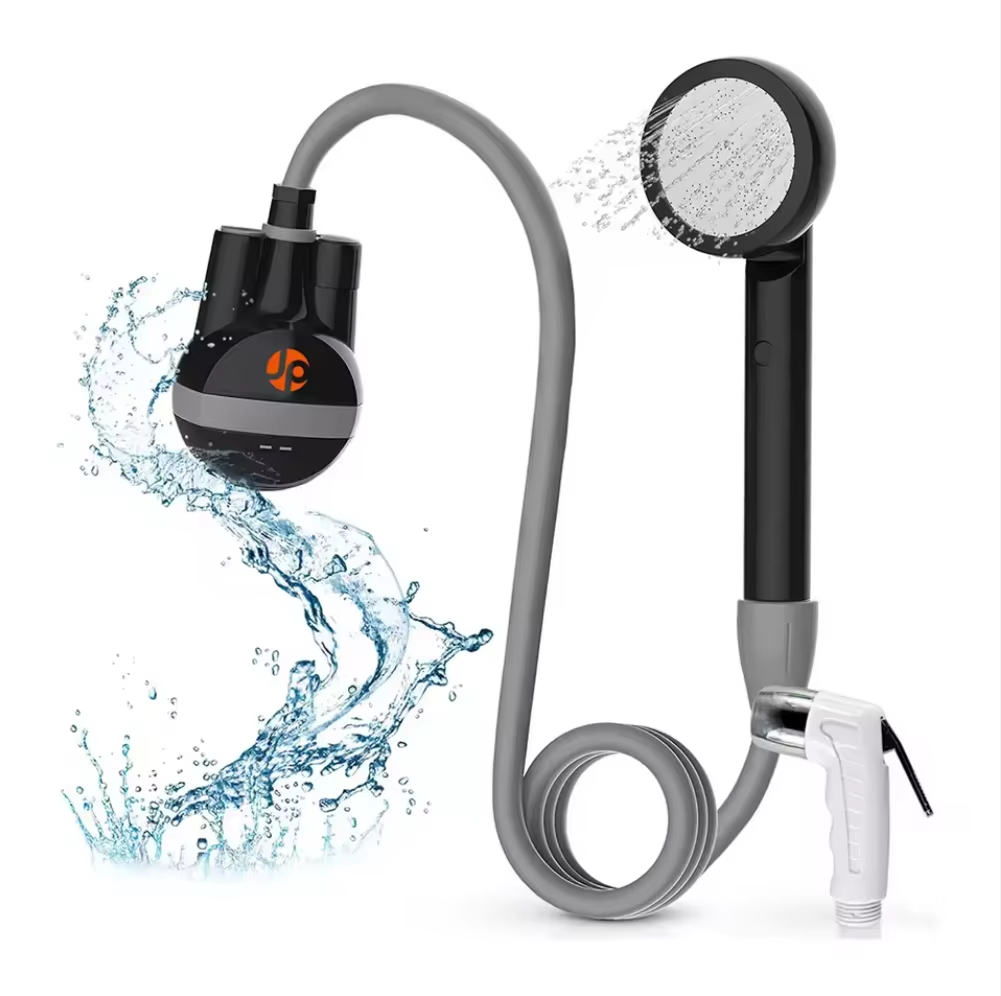
Environmental sustainability in commercial and residential facilities is often discussed through large systems like energy retrofits and water treatment upgrades, yet small point-of-use fixtures also shape long-term impact. In hygiene-focused spaces, bidet sprayers reduce resource pressure by changing how users clean after toilet use, which directly influences paper consumption, wastewater load, and cleaning chemical demand. For B2B buyers managing hotels, multifamily housing, healthcare environments, and office assets, bidet sprayers are not a lifestyle add-on but a practical lever in facility sustainability planning. When installed and managed well, bidet sprayers connect operational hygiene goals with measurable environmental improvements.
The sustainability value of bidet sprayers comes from a simple mechanism: using targeted water flow to lower dependence on disposable materials and reduce downstream processing burdens. This is especially relevant in high-traffic facilities where each small use decision repeats thousands of times per month. By shifting post-toilet cleaning behavior, bidet sprayers can support procurement reduction, improve waste system performance, and strengthen ESG reporting narratives with realistic, operationally grounded actions. The sections below explain how bidet sprayers create environmental value, what conditions improve results, and how organizations can integrate bidet sprayers into broader sustainability programs.
Resource Reduction Pathways in Daily Operation
Lower toilet paper demand and upstream production pressure
One of the clearest sustainability contributions of bidet sprayers is reduced toilet paper use. Paper production requires raw fiber inputs, large water volumes, transport, packaging, and energy-intensive conversion steps. When users adopt bidet sprayers, the average amount of paper needed per restroom event tends to decline, which lowers demand pressure across that chain. For organizations with centralized purchasing, this creates a direct and trackable reduction in monthly tissue procurement.
In B2B environments, this reduction scales quickly because usage frequency is high and predictable. A single site may process hundreds or thousands of restroom visits per day, meaning bidet sprayers influence aggregate consumption in ways that small pilot changes can capture early. Even where paper is still used for drying, bidet sprayers often shift behavior from heavy use to minimal finishing use. That step-down effect matters for both waste minimization targets and budget-linked sustainability KPIs.
Reduced packaging waste and logistics intensity
Lower paper demand also reduces packaging materials entering the facility waste stream. Cases of paper products arrive wrapped, boxed, and palletized, then move through storage and internal handling before disposal of packaging residues. By supporting lower-throughput paper consumption, bidet sprayers reduce that recurring material cycle. This is useful in facilities where back-of-house waste handling is labor constrained.
Logistics impact is another practical layer. Fewer paper deliveries mean less transport frequency, less loading activity, and fewer touchpoints in supply operations. While bidet sprayers are not a complete substitute for all tissue use, they can materially reduce dependency in a way that aligns with continuous improvement models. Many facility teams treat bidet sprayers as a demand-reduction measure that complements, rather than replaces, broader procurement optimization work.
Water, Wastewater, and System-Level Environmental Effects
Efficient cleaning at point of use
At first glance, any water-using fixture may appear to increase environmental load, but bidet sprayers can still support sustainability because they improve cleaning efficiency per use event. The water used by bidet sprayers is typically controlled and localized, replacing a portion of resource-intensive consumables. In practical terms, the environmental balance is shaped by how much toilet paper is avoided relative to the water used for spray cleaning. In many operating contexts, that tradeoff is favorable.
For facilities already monitoring water use intensity, bidet sprayers should be evaluated through realistic usage profiles, not assumptions. Flow control settings, user education, and fixture quality affect performance. Well-selected bidet sprayers with stable pressure behavior can minimize unnecessary water release while maintaining cleaning effectiveness. This helps organizations align restroom hygiene with responsible utility management.
Potential relief on drainage and sewage handling conditions
Heavy tissue use contributes to solids loading patterns that can complicate drainage performance, especially in older buildings or high-volume systems. By reducing paper volume entering pipes, bidet sprayers may help moderate clog risk and related maintenance events. Fewer disruptions can mean lower emergency callouts, fewer chemical interventions, and reduced replacement of failed components. Those maintenance-side outcomes carry both operational and environmental value.
Wastewater systems also benefit when inflow composition is more manageable. While bidet sprayers do not eliminate sewer challenges, they can reduce one common stress factor tied to paper load. For multi-site operators, this effect can support preventive maintenance consistency and lower unpredictable interventions. Over time, bidet sprayers become part of a cleaner lifecycle profile for restroom infrastructure.
Lifecycle and Operational Sustainability in B2B Contexts
Durability and long-use value in fixture planning
Sustainability decisions in B2B procurement depend on lifecycle logic, not just unit price. Bidet sprayers are durable fixtures that can remain in service for years when properly installed and maintained. This long-use profile helps spread manufacturing impact across a higher number of use cycles. Compared with continuously consumed disposable products, bidet sprayers support a structural shift toward reusable utility.
Lifecycle thinking also includes replacement intervals and parts management. Facilities that standardize bidet sprayers across similar restroom types can simplify maintenance practices and reduce ad hoc purchasing. Fewer emergency substitutions and better part compatibility improve material efficiency in operations. In sustainability reporting terms, bidet sprayers fit well into narratives about moving from recurrent disposables toward resilient infrastructure choices.
Cleaning operations and chemical use patterns
Restroom sanitation programs often rely on multiple products and repeated interventions to maintain acceptable hygiene quality. Because bidet sprayers support improved personal cleaning outcomes at point of use, surrounding contamination and paper residue issues may decline in some facilities. That can create opportunities to refine cleaning frequency and chemical application intensity without compromising standards. The result is a potential reduction in chemical throughput over time.
Operational teams should still validate protocols through site observation and hygiene compliance checks. Bidet sprayers are most effective when integrated with clear housekeeping workflows and user guidance. In this model, bidet sprayers contribute to sustainability through reduced consumables and more stable restroom conditions, rather than through unrealistic claims. The key is disciplined implementation and measurement.
Implementation Conditions That Strengthen Sustainability Outcomes
User adoption and behavior consistency
The environmental performance of bidet sprayers depends heavily on adoption quality. If users are uncertain about operation, they may default to old habits and the expected reduction in paper use will be limited. Clear signage, intuitive controls, and basic orientation improve consistency. In high-turnover environments, repeated communication helps maintain behavioral alignment.
Facility managers should treat bidet sprayers as a change-management project, not only a plumbing upgrade. Early monitoring can compare paper use per occupant before and after installation. This allows teams to verify whether bidet sprayers are delivering the intended sustainability effect and to adjust engagement methods where needed. Consistent usage is what turns technical availability into measurable environmental value.
Specification, installation quality, and practical procurement choices
Not all fixture configurations perform equally under industrial or commercial conditions. Pressure stability, nozzle reliability, and maintenance access influence whether bidet sprayers remain efficient over time. Procurement teams should select models suited to expected traffic volume and cleaning workflows, then document installation standards clearly for contractors. This reduces leakage risk, rework, and premature replacement.
When evaluating options, teams often review product details for bidet sprayers that fit their infrastructure constraints and sustainability objectives. The objective is not novelty but reliable daily operation with predictable resource impact. Well-specified bidet sprayers support both ESG communication and practical facility economics by reducing consumable dependence and stabilizing restroom performance.
FAQ
Do bidet sprayers always reduce total environmental impact?
Bidet sprayers usually improve environmental performance when they meaningfully reduce toilet paper consumption and are used with controlled water flow. The exact outcome depends on local water conditions, user behavior, and fixture efficiency. In most B2B settings, bidet sprayers provide positive impact when paired with adoption support and maintenance discipline.
Are bidet sprayers suitable for high-traffic commercial restrooms?
Bidet sprayers can work well in high-traffic settings when specification and installation are matched to demand levels. Durable components, pressure consistency, and clear user instructions are essential. With these factors in place, bidet sprayers can support sustainability targets while maintaining hygiene standards in busy environments.
How can facilities measure sustainability gains from bidet sprayers?
A practical method is to track toilet paper purchasing volume, related packaging waste, plumbing maintenance incidents, and restroom utility patterns before and after deployment. This baseline-and-follow-up approach gives decision-makers a realistic view of performance. Bidet sprayers are easiest to evaluate when metrics are simple, recurring, and tied to existing facility reports.
Do bidet sprayers replace broader sustainability programs?
Bidet sprayers are a focused intervention, not a complete sustainability strategy. Their strength is that they address daily resource use at the point of consumption and can scale across many sites. Organizations get the best results when bidet sprayers are integrated with water management, procurement efficiency, and maintenance optimization programs.