
 EN
EN
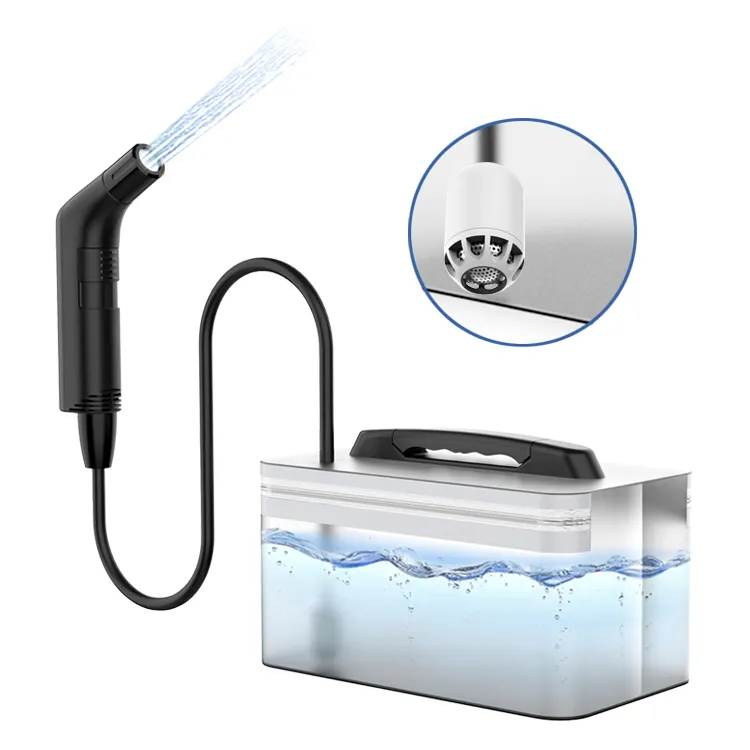
Keeping a handheld hygiene fixture reliable is less about occasional repair and more about disciplined bidet sprayer maintenance. For homes, hospitality spaces, and light commercial restrooms, consistent bidet sprayer maintenance protects spray quality, prevents leakage, and preserves user confidence in daily operation. The short answer to what keeps the unit in optimal condition is a layered routine: frequent light cleaning, scheduled deeper care, regular mechanical checks, and documented usage habits. When these practices are followed, bidet sprayer maintenance becomes predictable rather than reactive.
The most effective programs treat bidet sprayer maintenance as a system, not a single task. Surface cleanliness alone is not enough if mineral scale is building internally or if connectors are slowly loosening under pressure cycles. Strong bidet sprayer maintenance combines hygiene, pressure control, and early detection of wear before performance drops. This approach reduces unplanned replacement costs and keeps operation stable across different user patterns and water conditions.
Defining Optimal Condition for Daily Use
Operational consistency as the first benchmark
Optimal condition begins with predictable response at every use. A sprayer in good shape should activate smoothly, deliver a steady stream, and shut off cleanly without drips. In practical terms, bidet sprayer maintenance should be judged by consistency across repeated cycles, not by appearance alone. If pressure fluctuates, trigger travel feels irregular, or shutoff is delayed, bidet sprayer maintenance needs immediate adjustment.
Many teams wait for obvious failure, but better bidet sprayer maintenance focuses on early signals. Slight stiffness at the trigger or a subtle spray pattern distortion usually appears before major faults. Capturing these signs during normal cleaning helps prevent escalation into leaks or valve damage. This preventive view keeps uptime high and keeps user experience stable.
Hygiene integrity and material protection
A second benchmark for optimal condition is hygienic reliability without material degradation. Good bidet sprayer maintenance removes residue and biofilm while preserving seals, coatings, and hose flexibility. Overly aggressive chemicals can shorten component life even when surfaces look clean. For that reason, bidet sprayer maintenance should use compatible cleaners and controlled contact times.
Hygiene also includes the spaces users do not see, such as nozzle outlets and connector interfaces. If those zones are ignored, contaminants can accumulate and affect flow. Effective bidet sprayer maintenance therefore pairs visible wipe-downs with targeted internal cleaning practices. This balanced method protects both sanitation and long-term mechanical integrity.
Preventive Cleaning Routines That Protect Performance
Daily quick-clean cycle for stable operation
Daily care should be fast, repeatable, and easy for any responsible user to perform. A practical bidet sprayer maintenance cycle includes exterior wiping, nozzle area cleaning, and a short flush to clear minor deposits. This routine takes only minutes but significantly reduces residue buildup that can alter spray behavior. Frequent light care is the foundation of successful bidet sprayer maintenance.
The daily cycle should also include a brief visual check for moisture around fittings and at the hose entry points. Small droplets can indicate seal fatigue before visible leakage develops. Including this check in regular bidet sprayer maintenance supports early intervention with minimal disruption. Consistent execution matters more than complicated steps.
Weekly deep-clean protocol for deposit control
Weekly servicing should go deeper than surface hygiene and target scaling risk. In many facilities, mineral deposits gradually narrow internal passages and distort spray geometry. Planned bidet sprayer maintenance at this interval helps restore full flow and maintains predictable pressure delivery. The purpose is not cosmetic improvement but hydraulic stability over time.
A structured weekly protocol can include controlled descaling of the nozzle path, inspection of hard-to-reach joints, and careful rinsing to remove cleaner residue. During this window, teams can evaluate whether usage intensity requires a shorter interval. Adaptive scheduling is a hallmark of mature bidet sprayer maintenance because traffic patterns vary across environments. When weekly care is documented, trend issues become visible before breakdowns occur.
For reference during replacement planning or configuration review, many buyers evaluate product details directly through bidet sprayer maintenance considerations tied to spray modes, cleaning access, and handling design. Linking maintenance criteria to product characteristics makes long-term reliability decisions more practical. This helps procurement and operations teams align expectations before installation. It also reduces mismatches between user habits and maintenance workload.
Mechanical Checks That Reduce Failures and Leakage
Hose and connector inspection discipline
Even with excellent cleaning, mechanical points can degrade through vibration, pressure pulses, and repeated handling. Strong bidet sprayer maintenance includes tactile inspection of hoses for stiffness, surface cracks, or localized bulging. Connectors should be checked for secure seating and signs of slow seepage around threads or seals. Catching these indicators early prevents sudden failures that disrupt normal use.
A useful practice is to standardize inspection language such as normal, watch, and replace soon. This simple classification makes bidet sprayer maintenance easier to communicate between shifts or household members. It also avoids subjective interpretation of borderline conditions. Clear status labeling turns routine checks into actionable reliability control.
Spray head and valve response verification
Trigger and valve behavior should be tested in short operational cycles during maintenance windows. Good bidet sprayer maintenance confirms that activation force remains consistent and return action is immediate. Delayed closure can increase water waste and create persistent moisture around installation points. Response testing therefore protects both performance and surrounding fixture durability.
Spray pattern analysis is equally important because it reflects internal cleanliness and mechanical health. A uniform stream generally indicates balanced flow paths, while erratic output suggests obstruction or wear. Integrating this test into bidet sprayer maintenance helps teams decide whether cleaning, part adjustment, or replacement is the right next step. This reduces guesswork and shortens troubleshooting time.
Water Quality Control and Seasonal Protection
Hard water management in routine schedules
Water chemistry has a direct effect on service life and should shape maintenance frequency. In hard water regions, mineral accumulation can accelerate and force tighter bidet sprayer maintenance intervals. Without this adjustment, spray quality may decline quickly even when external cleaning appears consistent. Condition-based scheduling is more effective than fixed calendar assumptions.
Practical controls include regular descaling cadence, post-cleaning flush verification, and closer monitoring of pressure behavior. These steps keep channels open and reduce stress on valves and seals. When hard water factors are built into bidet sprayer maintenance, reliability remains stable over longer periods. This lowers emergency intervention and preserves user satisfaction.
Temperature and pressure adaptation across seasons
Seasonal changes can influence pressure dynamics and material flexibility, especially in systems with wider supply variation. Effective bidet sprayer maintenance accounts for these shifts through periodic pressure observation and connector checks during transition months. Cold conditions may increase stiffness in some components, while pressure spikes can expose weak seals. Seasonal awareness adds a preventive layer many teams overlook.
Facilities that include this adjustment in standard bidet sprayer maintenance often report fewer unexpected leaks and smoother trigger operation year-round. The key is small, regular corrections rather than major corrective action after failure. This approach supports continuity in both residential and light commercial use cases. It also extends usable component life without complex intervention.
Maintenance Documentation and Staff Habits for Long-Term Reliability
Simple maintenance logs that drive better decisions
Documentation is one of the highest-value practices in any reliability program. A concise log with dates, findings, cleaning actions, and minor parts changes makes bidet sprayer maintenance measurable over time. Patterns such as recurring nozzle scale or repeated connector loosening become visible quickly. Data-backed decisions are more accurate than memory-based assumptions.
Logs also support budget control by showing whether preventive care is reducing replacements and service interruptions. When teams can correlate routine bidet sprayer maintenance with fewer incidents, operational discipline improves. This creates accountability without adding heavy administrative burden. In B2B contexts, even basic records can improve compliance and service quality reviews.
Training daily users to protect equipment condition
Long-term performance depends on user behavior as much as technician effort. Clear guidance on gentle trigger handling, proper shutoff habits, and immediate reporting of irregular spray can strengthen bidet sprayer maintenance outcomes. Untrained use often introduces stress that no cleaning routine can fully offset. Simple behavior standards reduce avoidable wear at almost no cost.
The most durable programs combine formal checks with practical user habits. When everyone understands the purpose behind bidet sprayer maintenance, compliance rises and defects are reported earlier. This closes the gap between planned service and real-world usage conditions. The result is steady operation, cleaner fixtures, and fewer disruptive repairs.
FAQ
How often should bidet sprayer maintenance be performed in a busy environment?
In higher-traffic settings, light cleaning should happen daily, with deeper bidet sprayer maintenance performed weekly. Mechanical checks are often best scheduled weekly or biweekly depending on usage intensity and water quality. If scale buildup or pressure fluctuations appear, shorten intervals immediately. Frequency should follow observed condition, not only a fixed calendar.
Can bidet sprayer maintenance reduce leakage risk significantly?
Yes, consistent bidet sprayer maintenance greatly lowers leakage risk by identifying seal wear, connector looseness, and valve response issues early. Most leak events begin as minor signs that are easy to correct during routine checks. Preventive tightening, cleaning, and timely part replacement are far less disruptive than reactive repair. Early action is the main risk-control factor.
What is the most common mistake in bidet sprayer maintenance programs?
The most common mistake is treating bidet sprayer maintenance as surface cleaning only. This misses internal scale, trigger wear, and connector fatigue that affect real performance. Another frequent issue is inconsistent execution, where routines exist but are not followed on schedule. Reliability improves when procedures are simple, documented, and repeatable.
Does water quality change the way bidet sprayer maintenance should be planned?
Water quality should directly influence bidet sprayer maintenance planning. Hard water typically requires more frequent descaling and closer spray-pattern monitoring to prevent flow restriction. Stable, softer water may allow longer intervals while still maintaining performance. Condition-based adjustment is the most practical strategy for long-term equipment health.