
 EN
EN
For many facilities managers, homeowners, and procurement teams, the shift from paper-only hygiene to water-based cleaning is no longer a niche conversation. The practical advantages of a bidet sprayer over toilet paper are clear when you look at hygiene quality, operating cost, plumbing impact, and day-to-day comfort. A bidet sprayer delivers targeted water cleaning that removes residue more effectively than dry wiping, while also reducing paper dependence in both residential and commercial washrooms. In simple terms, the bidet sprayer offers better cleaning performance with broader operational benefits.
When organizations evaluate washroom upgrades, the decision is rarely about trend alone. It is usually about measurable outcomes: user experience, maintenance workload, recurring consumable spend, and compatibility with existing plumbing. A bidet sprayer can address each of these factors without requiring a full restroom redesign, which is why it is increasingly considered a practical upgrade path. Understanding the specific advantages helps decision-makers implement a solution that is realistic, scalable, and aligned with modern hygiene expectations.
Core Hygiene Advantages in Daily Use
Water cleaning improves removal quality
The most direct advantage of a bidet sprayer is cleaning effectiveness. Toilet paper relies on friction and repeated wiping, which can still leave residue on the skin. A bidet sprayer uses a controlled water stream to rinse more thoroughly, reducing the chance of remaining contaminants. In hygiene-sensitive environments, this difference is significant because better cleaning supports better personal sanitation outcomes.
From a practical standpoint, users often need fewer passes to feel clean when using a bidet sprayer compared with paper-only methods. That can reduce irritation caused by repetitive wiping and support a more comfortable routine for people with sensitive skin. In offices, shared housing, and hospitality settings, improved user comfort translates into fewer complaints and better washroom satisfaction. The bidet sprayer therefore contributes to both hygiene quality and user perception.
Reduced skin stress and greater comfort
Dry paper can be abrasive, especially when used frequently or under conditions of skin sensitivity. A bidet sprayer provides a gentler method that relies on water rather than friction as the primary cleaning mechanism. This is relevant for users recovering from medical procedures, older adults, and anyone managing irritation-prone skin. Even in standard daily use, the comfort advantage is noticeable.
Comfort is not just a personal issue in B2B contexts. In workplaces and managed properties, restroom experience influences occupant satisfaction and overall facility quality perception. A bidet sprayer supports a cleaner and more comfortable washroom routine with minimal behavioral change required from users. Over time, that consistency is one of the strongest practical advantages of replacing paper-only cleaning.
Operational and Cost Advantages for Facilities
Lower recurring paper consumption
Toilet paper creates a constant replenishment cycle: purchasing, storage, distribution, and monitoring across multiple restrooms. A bidet sprayer does not remove paper usage entirely in most settings, but it can reduce total paper demand substantially. Even partial reduction can create meaningful savings over long operating periods, especially where footfall is high. This is one reason procurement teams increasingly evaluate the bidet sprayer as a cost-control tool.
The cost advantage is not limited to unit pricing of paper rolls. Lower consumption also means fewer stockouts, less emergency purchasing, and reduced labor spent on frequent refill checks. In decentralized facilities, those workflow efficiencies can be as valuable as direct supply savings. By introducing a bidet sprayer, operations teams can shift restroom maintenance from constant replenishment toward lighter-touch oversight.
Less waste handling and disposal pressure
High paper usage leads to faster bin fill rates and heavier waste management demands in certain restroom designs. A bidet sprayer reduces paper volume entering waste streams, easing disposal pressure and improving restroom cleanliness between cleaning rounds. This can be particularly useful in locations with high visitor turnover, where waste accumulation quickly affects hygiene perception. Cleaner waste conditions also support janitorial efficiency.
In long-term operating models, reducing consumable waste has financial and environmental implications. A bidet sprayer supports sustainability goals by decreasing dependence on single-use paper products without requiring complex infrastructure. For organizations tracking waste reduction metrics, this can be an easy-to-implement improvement with visible operational outcomes. It is a practical step, not a symbolic one.
Plumbing and Maintenance Advantages
Lower risk of paper-related drain stress
One overlooked advantage of a bidet sprayer is reduced load from excess paper entering drainage systems. Heavy paper use can contribute to blockages, especially in older plumbing networks or facilities with inconsistent user behavior. By shifting more of the cleaning function to water, a bidet sprayer can reduce the volume of flushed paper and lower clogging risk. This supports more stable restroom operation and fewer emergency maintenance calls.
For property managers, preventable plumbing issues are costly because they involve labor, downtime, and user dissatisfaction. While no solution eliminates all drain problems, a bidet sprayer addresses one common cause at the source by lowering paper demand. The result is often smoother facility performance and less reactive maintenance. In multi-unit environments, that reliability benefit is especially valuable.
Simple integration into existing restroom setups
Many decision-makers assume water-based hygiene requires a full bathroom remodel, but that is not always the case. A modern bidet sprayer can often be integrated into existing toilet water supply configurations with limited disruption. This makes phased adoption realistic for homes, offices, rentals, and managed properties where downtime must be minimized. Installation simplicity directly improves project feasibility.
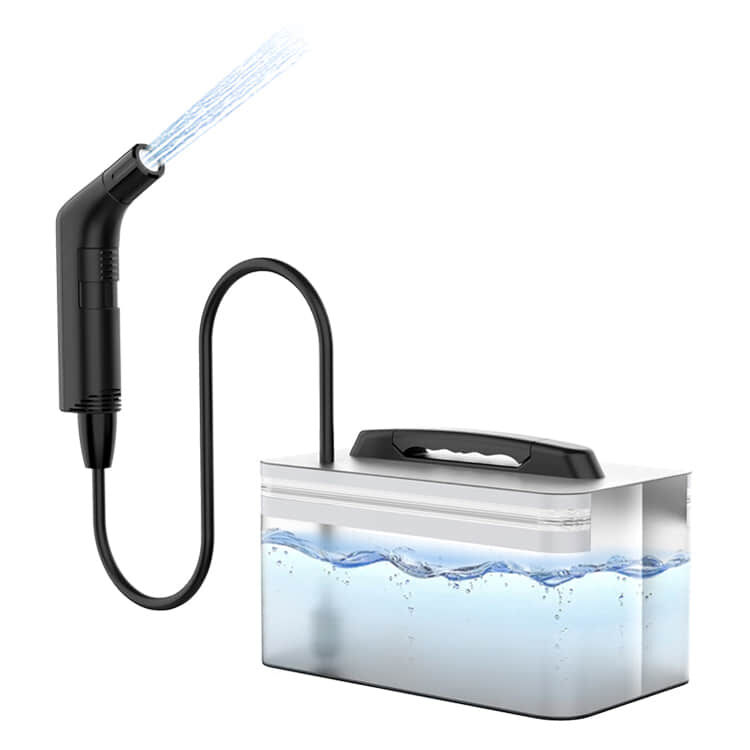
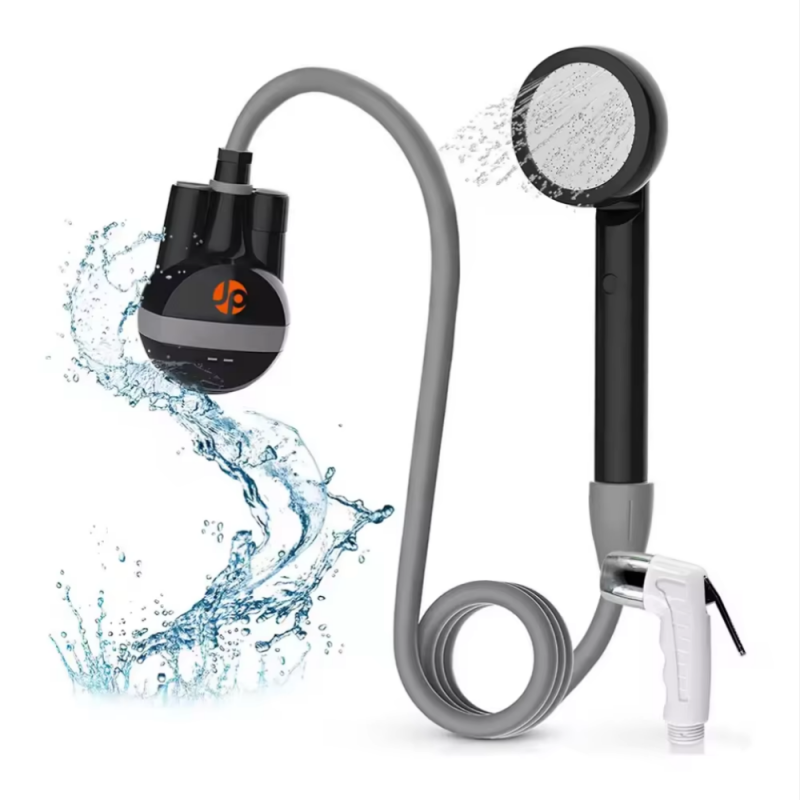
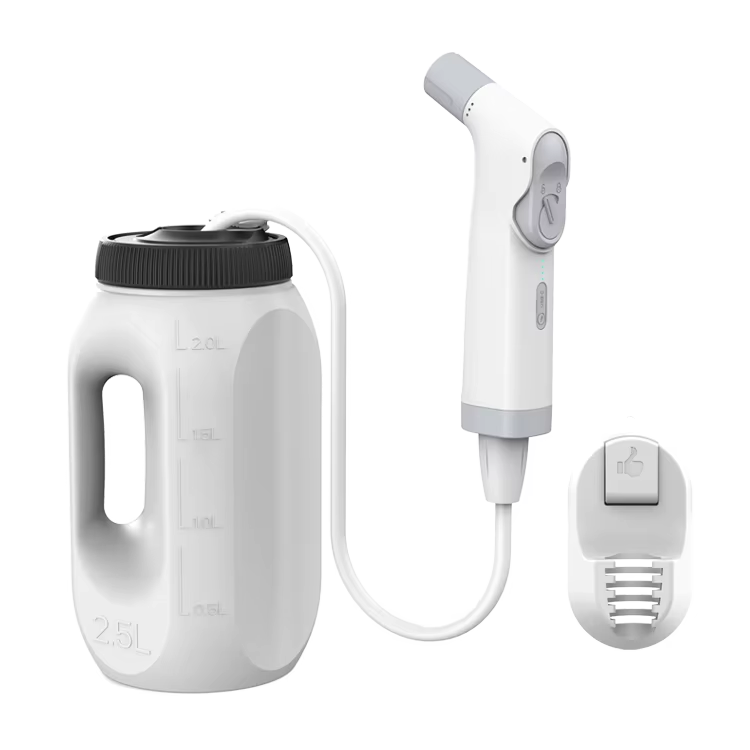
For teams exploring practical options, this bidet sprayer format illustrates how portable or installation-light designs can fit standard use cases. A flexible bidet sprayer approach allows organizations to test adoption before expanding across sites. That staged model lowers implementation risk and supports evidence-based purchasing decisions. In B2B planning, flexibility is often as important as performance.
Strategic Advantages for Modern Hygiene Standards
Alignment with evolving sanitation expectations
User expectations around cleanliness have changed in recent years, and washroom design now plays a larger role in perceived facility quality. A bidet sprayer aligns with these expectations by offering a more complete cleaning method than paper alone. In customer-facing environments, restroom standards influence brand trust even when they are not explicitly discussed. Upgrading to a bidet sprayer can therefore support broader experience goals.
In internal workplace settings, sanitation confidence also affects employee comfort. People notice whether facilities support modern hygiene practices, and water-based cleaning is increasingly recognized as a practical standard rather than a luxury. A bidet sprayer helps organizations demonstrate attention to real user needs with a visible, functional improvement. This can strengthen both operational credibility and occupant satisfaction.
Scalability across residential and commercial contexts
A major advantage of the bidet sprayer model is that it works across multiple environment types without changing core usage logic. The same bidet sprayer concept can be applied in apartments, private homes, office restrooms, serviced accommodations, and mixed-use properties. That consistency simplifies training, communication, and policy development for organizations managing diverse assets. Scalable solutions reduce complexity during rollout.
Because a bidet sprayer can be introduced gradually, decision-makers can start with pilot locations and expand based on measured outcomes such as paper cost reduction, maintenance frequency, and user feedback. This creates a practical framework for continuous improvement rather than one-time renovation spending. In strategic terms, the bidet sprayer supports both immediate gains and long-term facility optimization. That dual value is why interest continues to grow across B2B and industrial-adjacent markets.
FAQ
Is a bidet sprayer more hygienic than toilet paper in everyday use?
In most everyday cases, yes. A bidet sprayer cleans with water, which removes residue more effectively than dry wiping alone. Toilet paper may still be used for drying, but the primary cleaning quality is generally higher with a bidet sprayer. This is the main reason many users report better freshness and comfort.
Does a bidet sprayer eliminate toilet paper completely?
Usually it reduces toilet paper use rather than eliminating it in all situations. Many users keep a small amount of paper for drying, while relying on the bidet sprayer for actual cleaning. Even with partial replacement, the reduction in paper consumption can be significant over time. That creates measurable cost and waste benefits.
Can a bidet sprayer work in older buildings?
In many cases, yes, because a bidet sprayer can often connect to existing toilet water supply points without major reconstruction. Suitability depends on local plumbing conditions and pressure stability, so a basic technical check is recommended before rollout. Where compatibility is confirmed, installation is typically straightforward. This makes the bidet sprayer practical for both older and newer properties.
What is the biggest business advantage of adopting a bidet sprayer?
The biggest advantage is the combination of better hygiene performance and lower recurring consumable burden. A bidet sprayer improves user cleaning quality while reducing dependence on toilet paper procurement and disposal workflows. That blend of sanitation value and operational efficiency is difficult to match with paper-only systems. For many organizations, this combined impact makes the business case clear.