
 EN
EN
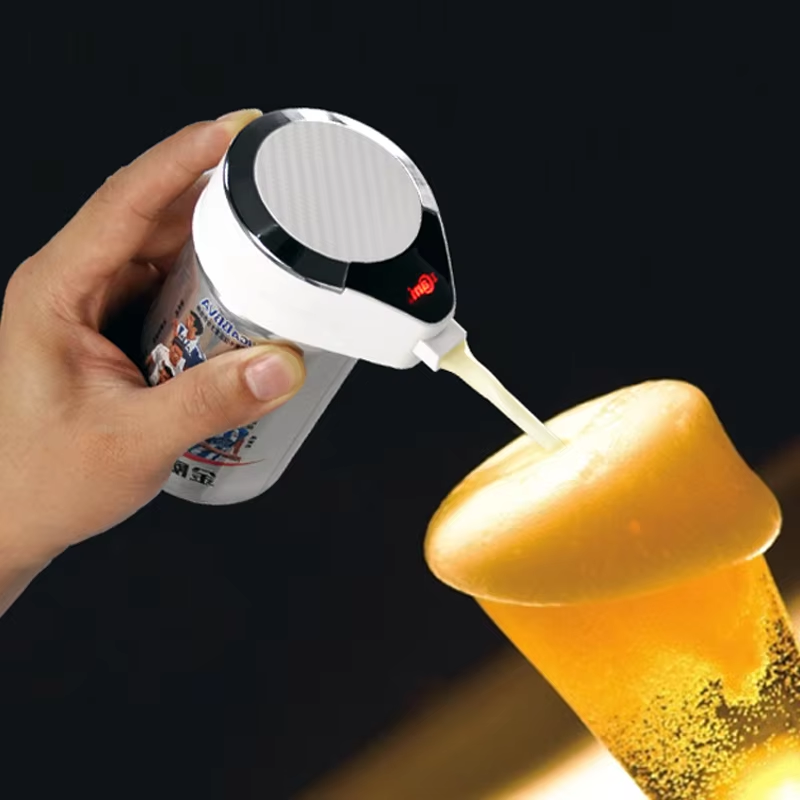
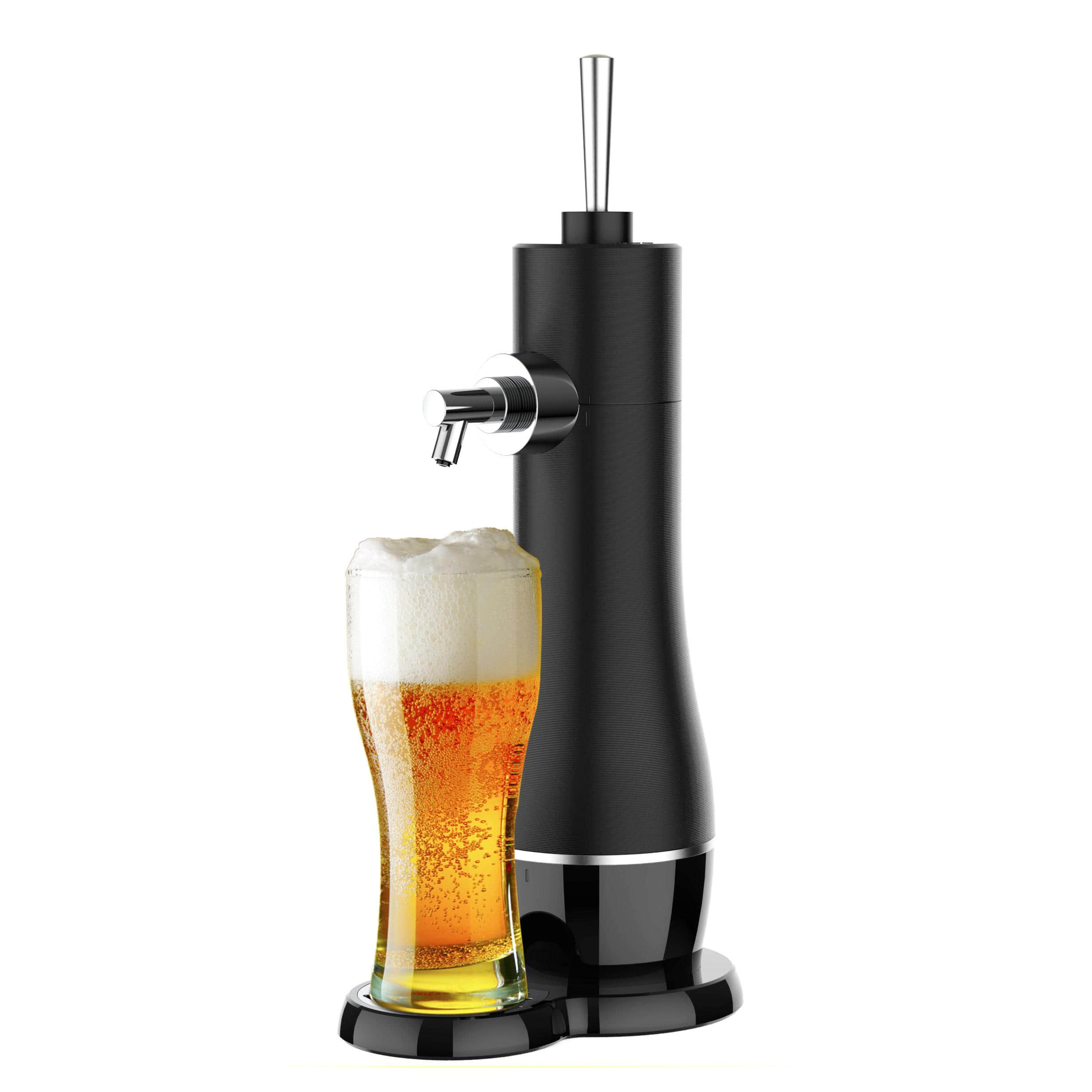
Choosing a quality beer dispenser is less about appearance and more about performance consistency under real service conditions. For hospitality teams, event operators, and office beverage programs, the wrong unit creates foam waste, uneven pours, hygiene risk, and avoidable maintenance costs. A quality beer dispenser should protect flavor, control carbonation behavior, and support steady output during peak demand. When you evaluate features with those outcomes in mind, you can separate short-term convenience from long-term value.
This guide explains what features matter most and how each one affects day-to-day operations. Instead of generic product talk, it focuses on practical criteria that determine whether a quality beer dispenser will match your serving volume, beverage range, cleaning routine, and staff workflow. You will see how to assess dispensing control, foam behavior, sanitation design, build durability, and usability before you commit to any purchase decision. The goal is simple: identify the features that make a quality beer dispenser reliable in real business use.
Core Performance Features That Define Pour Quality
Flow control and pressure stability
The first feature to verify in a quality beer dispenser is stable flow control across multiple pours. Inconsistent pressure leads to slow fills in one round and excessive foam in the next, which damages both presentation and yield. A quality beer dispenser should maintain predictable dispensing behavior even when ambient temperature shifts throughout service. This stability helps staff deliver repeatable glass quality without constant manual correction.
Look for systems that support fine adjustment rather than single-step output behavior. A quality beer dispenser with calibrated control makes it easier to match different carbonation profiles, especially when switching between bottled and canned formats. In B2B environments, this reduces training time because operators rely on equipment consistency instead of individual pouring technique. The result is better throughput and lower product loss.
Foam management and texture consistency
Foam quality is a direct indicator of whether a quality beer dispenser is engineered for beverage presentation, not just liquid transfer. Proper foam should be fine-textured, stable, and proportionate to style expectations rather than oversized and unstable. A quality beer dispenser with active foam control can improve serving appearance while helping preserve aroma and mouthfeel. For premium service settings, this feature influences customer perception immediately.
When comparing models, evaluate how a quality beer dispenser forms and settles foam over repeated cycles, not just the first demonstration pour. Some systems appear strong initially but lose consistency under continuous use. If your service window includes high-volume intervals, foam repeatability becomes a functional requirement, not a cosmetic preference. That is why many buyers prioritize quality beer dispenser options with controlled foam generation design.
Temperature and Beverage Protection Features
Temperature control and thermal retention
Temperature behavior is one of the most important technical features in a quality beer dispenser because it affects carbonation release, foam behavior, and taste balance. Even small temperature drift can change how quickly dissolved gas escapes during pouring. A quality beer dispenser should either maintain stable serving conditions or integrate cleanly with your existing cold-chain process. Without this, performance variability increases as service duration extends.
Evaluate both startup performance and retention performance. A quality beer dispenser that reaches target conditions quickly but cannot hold them under repeated use may still create operational friction. In commercial contexts, teams need predictable output from first pour to last pour, including during shift transitions. Strong thermal control supports this consistency and reduces corrective handling.
Oxidation and carbonation preservation
A quality beer dispenser should minimize unnecessary agitation and exposure that can flatten carbonation or mute flavor over time. Beer is sensitive to handling conditions, and poor transfer design can accelerate quality decline before the product reaches the glass. Features that support gentle dispensing and controlled foam formation help protect sensory integrity. In practical terms, this means fewer complaints about stale taste or weak texture.
If you manage premium beverage service, preservation features are especially valuable because product expectations are higher and margins depend on repeat satisfaction. A quality beer dispenser that supports stable carbonation behavior lowers the risk of inconsistent customer experiences across different service periods. It also reduces waste from rejected pours. Over months of operation, this can significantly improve total serving efficiency.
Hygiene, Cleaning, and Maintenance Design
Disassembly simplicity and cleaning access
No quality beer dispenser is truly effective if routine cleaning is difficult or time-consuming. In B2B settings, complicated cleaning steps often lead to inconsistent sanitation execution, especially during busy schedules. A quality beer dispenser should provide easy-access contact surfaces, straightforward disassembly, and clear reassembly alignment. This lowers the chance of residue buildup and process mistakes.
Cleaning-friendly design also supports labor efficiency. When a quality beer dispenser can be sanitized quickly, teams spend less downtime between service windows and maintain better hygiene discipline. This matters for both food safety standards and beverage taste consistency. Residue control directly affects flavor purity on subsequent pours.
Material safety and long-term sanitation reliability
Material choice is another key feature when selecting a quality beer dispenser. Food-contact parts should resist odor retention, staining, and micro-abrasion from repeated cleaning cycles. A quality beer dispenser built with sanitation-stable materials maintains performance longer and reduces replacement frequency of critical parts. That durability contributes to predictable operating costs.
Check how seals, nozzles, and joints behave after repeated use because hidden wear points often become hygiene risks first. A quality beer dispenser with stable sealing performance helps prevent contamination pathways and protects pour consistency. This is particularly important in venues with continuous daily operation. Better material integrity means fewer interruptions and stronger compliance confidence.
Usability and Operational Fit in Real Service Environments
Ergonomics, controls, and staff training impact
A quality beer dispenser should be easy to operate correctly on the first day and still efficient after months of use. Control placement, handle response, and feedback clarity influence how quickly staff can deliver consistent results. If the interface is confusing, even a technically advanced quality beer dispenser may underperform in real operations. Usability is a performance feature, not just a convenience.
In high-turnover service teams, intuitive operation reduces training burden and limits technique-related variation. A quality beer dispenser with clear control logic helps new operators avoid common errors such as over-tilting, over-foaming, or interrupted flow. This improves service speed while protecting presentation standards. Over time, workflow simplicity translates into measurable operational stability.
Capacity planning and environment compatibility
The right quality beer dispenser must match your expected serving volume, container formats, and service rhythm. Under-sized equipment creates bottlenecks, while over-sized systems may increase complexity without adding value. A quality beer dispenser should fit your actual usage profile, including peak demand intervals and reset time between rounds. Fit-to-scenario selection is essential for return on investment.
Physical footprint, noise profile, and power requirements also matter in professional environments. A quality beer dispenser that integrates cleanly into your counter layout or event setup reduces friction for both staff and guests. Operational compatibility often determines whether equipment remains consistently used or gradually bypassed. The best choice is the quality beer dispenser that performs reliably within your real constraints, not just ideal conditions.
Evaluation Framework Before Purchase
Feature validation through scenario testing
Before finalizing procurement, test any quality beer dispenser against your own service scenarios rather than relying on static specifications alone. Evaluate first-pour behavior, tenth-pour behavior, and recovery behavior after short idle periods. A quality beer dispenser should remain predictable across all three stages. This reveals whether its controls are truly stable under practical use.
During evaluation, document foam ratio consistency, pouring time, cleanup time, and operator feedback. A quality beer dispenser that scores well across these dimensions typically delivers stronger long-term value than one with a single standout feature. Decision quality improves when teams compare function under realistic workload. This method reduces procurement risk and post-installation surprises.
Total cost logic and lifecycle confidence
Purchase price alone does not determine value in a quality beer dispenser decision. Consider cleaning labor impact, product waste reduction, maintenance frequency, and downtime risk. A quality beer dispenser with better consistency often offsets higher initial cost through improved yield and smoother operations. Lifecycle thinking is critical in B2B equipment planning.
Also assess support readiness, part replacement practicality, and expected durability under your operating pattern. A quality beer dispenser should remain serviceable over time without creating dependency on complex interventions. When feature quality aligns with lifecycle reliability, procurement decisions become easier to defend internally. This is the difference between buying equipment and investing in stable beverage delivery capability.
FAQ
What is the most important feature in a quality beer dispenser for daily business use?
The most important feature is consistent pour performance under repeated use. A quality beer dispenser must hold stable flow and foam behavior from opening to closing, not just during the first few pours. Consistency reduces waste, supports customer experience, and simplifies staff training. In most business settings, this delivers the strongest operational benefit.
How do I know whether a quality beer dispenser is easy enough to maintain?
Check whether food-contact components are easy to access, remove, clean, and reinstall without tools or complicated steps. A quality beer dispenser should support fast routine sanitation with minimal error risk. Ask teams to run a full cleaning cycle during evaluation to measure actual effort. Maintenance practicality is best confirmed through direct process testing.
Does a quality beer dispenser need advanced foam control for all venues?
Not every venue needs highly specialized foam settings, but every quality beer dispenser should deliver stable and predictable foam results. If your environment serves premium products or high volumes, advanced foam control becomes more valuable. It helps maintain presentation standards and reduce rejected pours. The required level depends on your service model and customer expectations.
Can one quality beer dispenser handle both bottled and canned beer effectively?
Yes, many systems can support both formats when designed for adaptable input handling and controlled dispensing behavior. A quality beer dispenser should maintain similar output quality across different container types without complex recalibration. During selection, test each format under normal operating pace. Cross-format consistency is a strong sign of practical equipment quality.
Table of Contents
- Core Performance Features That Define Pour Quality
- Temperature and Beverage Protection Features
- Hygiene, Cleaning, and Maintenance Design
- Usability and Operational Fit in Real Service Environments
- Evaluation Framework Before Purchase
-
FAQ
- What is the most important feature in a quality beer dispenser for daily business use?
- How do I know whether a quality beer dispenser is easy enough to maintain?
- Does a quality beer dispenser need advanced foam control for all venues?
- Can one quality beer dispenser handle both bottled and canned beer effectively?