
 EN
EN
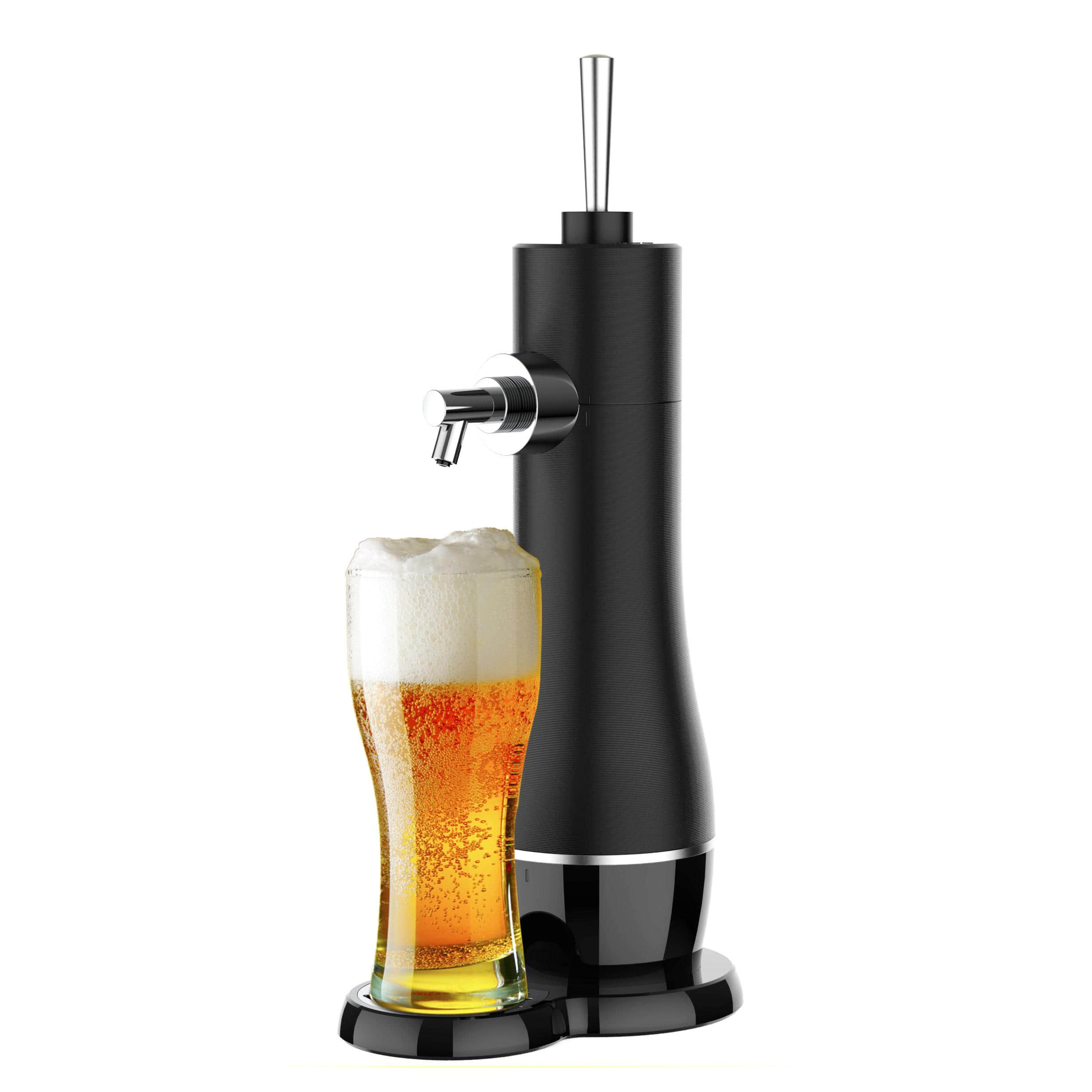
Choosing the right beer dispenser starts with one practical truth: there is no single model that fits every operation, event, or serving style. A beer dispenser that performs perfectly in a compact home bar can become inefficient in a busy hospitality setting, while a high-capacity setup can be unnecessary for occasional entertaining. The best decision comes from matching your volume, service rhythm, space limits, and maintenance capacity. When those factors align, your beer dispenser supports stable taste, consistent foam control, and a smoother serving workflow.
This guide explains how to evaluate a beer dispenser step by step so you can make a confident purchase based on use conditions rather than guesswork. Instead of chasing features in isolation, focus on fit: keg format, cooling method, throughput expectations, hygiene routines, and long-term operating cost. By the end, you will know which beer dispenser specifications matter most for your environment and how to avoid common mismatches that lead to waste, downtime, or poor pour quality.
Define your serving scenario before selecting a beer dispenser
Map demand patterns and pour volume
Start by quantifying how often the beer dispenser will be used and how many pours are expected in a typical session. A light-use environment with intermittent demand needs different cooling recovery and line management than a setup handling continuous flow over several hours. Demand intensity directly affects how quickly a beer dispenser can lose temperature stability or produce inconsistent foam.
Estimate weekly and peak-period volume rather than relying on annual averages. Peak demand is where an undersized beer dispenser usually fails, especially when multiple users pour back to back. When volume targets are clear, you can shortlist a beer dispenser with the right balance between capacity, chilling power, and serving continuity.
Match user context and operator skill level
A beer dispenser in a self-serve office lounge should be simple, forgiving, and easy to clean, while a professionally managed bar station can handle more advanced pressure and line adjustments. User skill determines how much control is realistic. If daily operators are not trained, a complex beer dispenser often creates inconsistency rather than better results.
Consider who will install kegs, adjust settings, and run cleaning cycles. The right beer dispenser is not only a hardware choice but an operational fit for the people using it. Clear controls, stable performance, and accessible maintenance points can be more valuable than extra features that remain unused.
Evaluate technical fit for stable pour quality
Choose compatible keg and line configuration
Keg compatibility is a core filter in beer dispenser selection. Confirm coupler type, line diameter, and connector standards before comparing cosmetic features. A beer dispenser that requires adapters for every keg change introduces friction, leak risk, and avoidable service interruptions.
Line length and internal diameter influence carbonation retention and foam behavior. If line resistance is not balanced with pressure, even a premium beer dispenser can deliver unstable pours. Treat line configuration as part of system design, not an afterthought.
Prioritize cooling consistency and pressure control
Temperature stability is one of the strongest predictors of serving quality. Select a beer dispenser with cooling performance appropriate to ambient conditions, not ideal laboratory conditions. Warm environments or outdoor events can challenge small systems, so recovery speed matters as much as target temperature.
Pressure management should be precise and repeatable. A beer dispenser with poor regulation can cause over-foaming, flat taste, or fluctuating pour speed. Look for controls that allow practical tuning and hold settings during heavy use, because consistency is what protects both product quality and operating efficiency.
Assess installation constraints and workflow integration
Measure footprint, ventilation, and mobility needs
Physical fit is frequently underestimated when buying a beer dispenser. Measure width, depth, height, clearance for keg loading, and service access around the unit. A beer dispenser that barely fits can become difficult to clean, service, or relocate, increasing labor and downtime.
Ventilation requirements are equally important for cooling reliability. If airflow is restricted, a beer dispenser may run continuously and lose efficiency. For mobile or temporary setups, weight and transport stability become critical selection criteria.
Align tap flow with service process
Your beer dispenser should support the pace and layout of real service moments. In high-traffic periods, tap position, drip management, and ergonomic access affect queue speed and spill rates. A well-placed beer dispenser can reduce micro-delays that compound over a busy shift.
For event or multi-zone environments, portability and fast reset can be more valuable than maximum static capacity. Review how the beer dispenser fits prep, operation, and post-service cleanup as one process. That systems view leads to better daily performance than selecting by isolated specs.
Compare lifecycle cost and maintenance reality
Calculate total ownership beyond purchase price
A low upfront price does not always mean lower cost over time. Energy use, cleaning time, replacement parts, and service frequency all shape the actual cost profile of a beer dispenser. Include expected operating hours and maintenance labor when evaluating options.
Product loss from foam instability or line contamination can quietly exceed hardware savings. The right beer dispenser often pays back through predictable output and reduced waste, especially in settings where consistency directly influences repeat orders or internal user satisfaction.
Plan for sanitation, uptime, and parts access
Routine sanitation protects flavor integrity and extends equipment life. Choose a beer dispenser designed for straightforward cleaning access, with components that can be reached without complex disassembly. If cleaning is difficult, compliance drops and quality drifts.
Uptime depends on practical support factors such as replacement seals, connectors, and service documentation. Before purchase, confirm that your chosen beer dispenser has a realistic maintenance path for your operating environment. A maintainable system is usually a more profitable system.
Make a final decision with a fit-based checklist
Rank must-have criteria against nice-to-have features
Decision quality improves when requirements are prioritized in tiers. Define non-negotiables such as keg compatibility, target throughput, and cleaning accessibility before comparing secondary features. This keeps beer dispenser selection objective and aligned with actual use.
A practical method is to score each beer dispenser option against your top operational constraints first, then evaluate convenience enhancements. That approach prevents overpaying for features that do not improve outcomes in your specific context.
Validate with a realistic trial scenario
Before committing, test the beer dispenser under conditions that resemble normal service, including peak flow periods. Check pour consistency, reset time, and cleanup effort, not just first-pour appearance. Realistic testing reveals workflow friction that spec sheets rarely show.
The right beer dispenser should remain stable across repeated use, be manageable for your team, and fit your space without compromise. When demand profile, technical fit, installation logic, and lifecycle cost all align, selection becomes clear and defensible.
FAQ
How many taps should a beer dispenser have for a small commercial setup?
For many small commercial environments, a single-tap or dual-tap beer dispenser is sufficient when demand is moderate and product variety is limited. The better decision factor is peak simultaneous demand rather than average daily volume. If service lines form during short busy windows, a dual-tap beer dispenser usually improves flow and reduces waiting time.
Is a portable beer dispenser suitable for frequent events?
A portable beer dispenser can be an effective choice for recurring events when transport, setup speed, and compact storage are priorities. Confirm that cooling recovery, keg compatibility, and pressure stability meet your event duration and serving pace. Portability should not come at the expense of reliable pour quality.
How often should a beer dispenser be cleaned in business use?
Cleaning frequency depends on usage intensity, beverage type, and local hygiene standards, but regular scheduled cleaning is essential for any beer dispenser in business service. A consistent routine preserves taste, controls foam behavior, and lowers contamination risk. Selecting a beer dispenser with easy cleaning access makes compliance much more practical over time.
What is the biggest mistake when buying a beer dispenser?
The most common mistake is choosing a beer dispenser based mainly on price or appearance without mapping real operational needs. This often leads to capacity mismatch, difficult maintenance, and unstable serving quality. A fit-based evaluation of demand, technical compatibility, workflow, and ownership cost produces a far stronger long-term result.