
 EN
EN
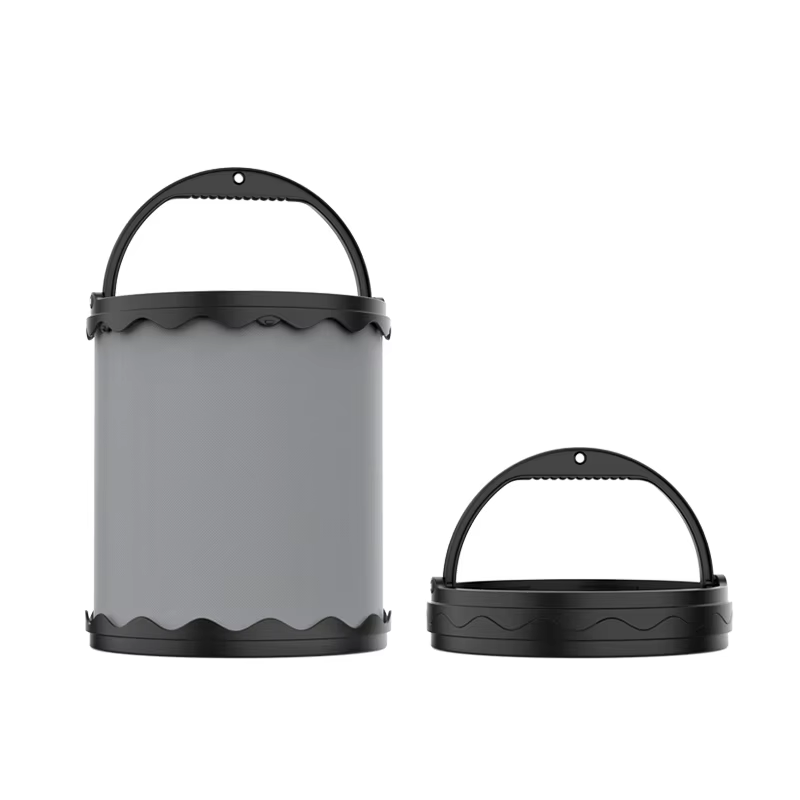
When selecting a collapsible bucket for outdoor activities, camping, fishing, or emergency preparedness, understanding the essential features that define quality can make the difference between a reliable tool and a frustrating experience. A quality collapsible bucket combines durability, functionality, and convenience in a space-saving design that serves multiple purposes across various applications. The key lies in identifying specific characteristics that ensure long-term performance and practical usability.
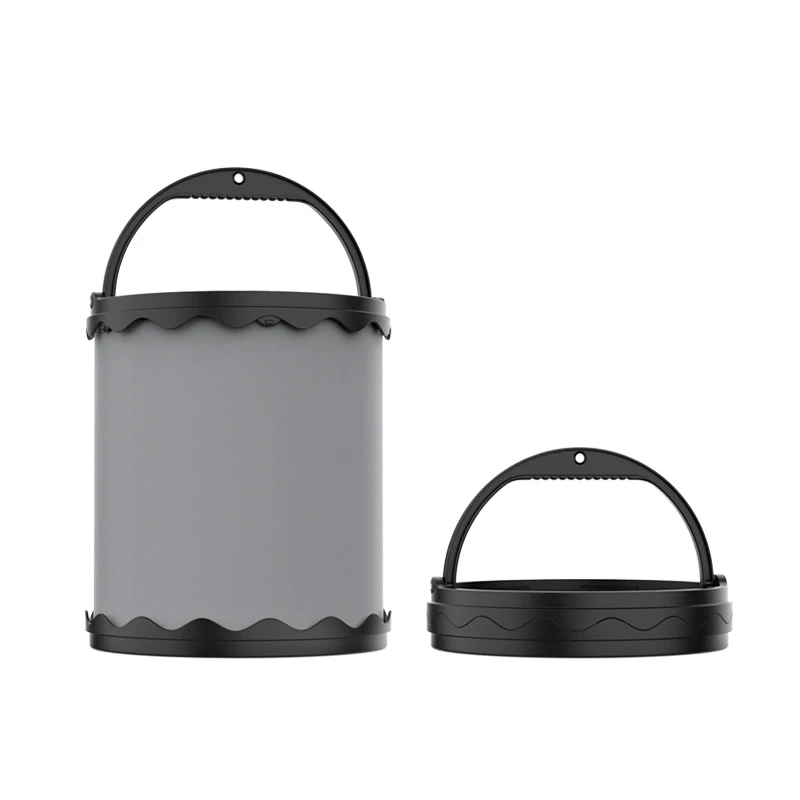
Modern collapsible bucket designs incorporate advanced materials and engineering principles to deliver portable water storage solutions that maintain structural integrity while offering exceptional space efficiency. These features determine whether your collapsible bucket will withstand regular use, provide reliable service in demanding conditions, and offer the versatility needed for diverse applications from outdoor adventures to household tasks.
Material Construction and Durability Standards
Premium Plastic Composition
The foundation of any quality collapsible bucket starts with superior material selection that ensures both flexibility and strength. High-grade thermoplastic polymers, particularly those with enhanced UV resistance, provide the optimal balance between collapsibility and structural integrity. These materials must withstand repeated folding and unfolding cycles without developing stress fractures or compromising the bucket's water-holding capacity.
Premium collapsible bucket construction utilizes food-grade plastics that resist chemical degradation, odor absorption, and bacterial growth. The material should demonstrate excellent resistance to temperature variations, maintaining flexibility in cold conditions while avoiding deformation in high-heat environments. Quality manufacturers often incorporate antimicrobial additives that prevent the growth of harmful microorganisms, making the collapsible bucket suitable for storing drinking water.
The thickness and density of the plastic directly impact the bucket's longevity and performance reliability. Thicker sidewalls provide greater puncture resistance and structural stability, while maintaining the flexibility required for proper collapse functionality. A well-constructed collapsible bucket should demonstrate consistent wall thickness without thin spots that could become failure points during extended use.
Reinforcement Elements and Stress Distribution
Quality collapsible bucket designs incorporate strategic reinforcement elements that distribute stress evenly across the structure during use. Reinforced rim construction prevents deformation when the bucket is fully loaded, while strengthened base panels resist punctures from rough surfaces and sharp objects. These reinforcement zones should integrate seamlessly with the collapsible mechanism without creating rigid points that interfere with folding operations.
Advanced collapsible bucket models feature internal ribbing or structural patterns that enhance rigidity when expanded while maintaining smooth collapse functionality. These design elements prevent sidewall buckling under load and provide additional grip surfaces for secure handling. The reinforcement system should extend to high-stress areas such as handle attachment points and the transition zones between rigid and flexible sections.
Corner reinforcement and edge protection represent critical quality indicators in collapsible bucket construction. Properly designed stress distribution systems prevent crack propagation from impact points, significantly extending the bucket's operational lifespan. The reinforcement materials should match or exceed the primary construction material's chemical and UV resistance properties to ensure uniform aging and performance retention.
Capacity Specifications and Size Optimization
Volume Range and Application Suitability
Determining the appropriate capacity for your collapsible bucket requires careful consideration of intended applications and practical handling limitations. Standard collapsible bucket sizes range from compact 5-liter models ideal for personal camping use to robust 20-liter versions suitable for group activities and extended outdoor adventures. The optimal capacity balances storage convenience with functional utility, ensuring the bucket remains manageable when fully loaded.
A quality collapsible bucket should clearly specify both maximum capacity and recommended working capacity, acknowledging that handling becomes increasingly difficult as volume approaches maximum limits. The dimensional specifications when collapsed versus expanded provide crucial information for storage planning and transportation considerations. Premium models maintain consistent capacity measurements with minimal variation between production units.
Multi-purpose collapsible bucket designs often incorporate graduated measurement markings that enable precise volume control for various applications. These measurement systems should remain clearly visible and accurate throughout the bucket's operational life, resisting wear from cleaning and regular use. The capacity specifications should account for thermal expansion and contraction effects on the container volume under varying temperature conditions.
Collapsed Dimensions and Storage Efficiency
The collapsed profile of a collapsible bucket directly impacts its portability and storage value proposition. Quality designs achieve impressive compression ratios, reducing the expanded volume to a fraction of its operational size without compromising structural integrity. The collapsed thickness should allow for efficient packing in backpacks, vehicle storage compartments, and emergency supply kits.
Consistent collapse geometry ensures reliable stacking and nesting capabilities when storing multiple collapsible bucket units. The folding mechanism should produce predictable dimensional outcomes that facilitate space planning and organization systems. Premium collapsible bucket models maintain their collapsed configuration without gradual expansion or shape distortion during storage periods.
The relationship between collapsed size and expanded capacity represents a key performance metric for evaluating collapsible bucket efficiency. Superior designs maximize capacity while minimizing collapsed dimensions, achieving optimal space utilization ratios that justify the investment in collapsible technology over traditional rigid containers.
Functional Design Features and Ergonomic Considerations
Handle Systems and Carrying Comfort
A quality collapsible bucket incorporates thoughtfully designed handle systems that provide secure grip and comfortable carrying even when fully loaded. Reinforced handle attachment points distribute weight evenly across the bucket structure, preventing stress concentration that could lead to premature failure. The handle material should offer superior grip properties while resisting degradation from UV exposure and repeated handling.
Ergonomic handle design considers hand size variations and carrying duration requirements, incorporating comfortable grip diameters and smooth surface finishes that prevent chafing during extended use. Some premium collapsible bucket models feature dual handle configurations that enable two-person carrying for heavy loads or provide multiple grip options for different carrying positions.
The handle mechanism should maintain consistent performance throughout the collapsible bucket's operational range, providing reliable grip access in both collapsed and expanded configurations. Folding or retractable handle designs must demonstrate smooth operation without binding or jamming, while maintaining structural integrity under load conditions.
Stability and Base Design
Base stability represents a crucial quality factor that determines the collapsible bucket's performance on various surfaces and under different loading conditions. A well-designed base provides adequate contact area to prevent tipping while maintaining the flexibility required for effective collapse functionality. The base geometry should resist deformation under load while distributing weight evenly across the supporting surface.
Quality collapsible bucket designs incorporate anti-slip features that enhance stability on smooth or inclined surfaces. These may include textured base patterns, integrated grip strips, or specialized surface treatments that increase friction without compromising the bucket's portability or cleaning ease. The stability system should function effectively across a wide range of surface conditions and environmental factors.
The transition between the base and sidewalls requires careful engineering to maintain structural continuity while enabling smooth collapse operation. This critical junction area should demonstrate superior resistance to stress cracking and maintain watertight integrity throughout the collapsible bucket's service life.
Sealing Performance and Leak Prevention
Watertight Integrity Systems
Effective sealing performance distinguishes quality collapsible bucket designs from inferior alternatives that may fail under practical use conditions. The sealing system must maintain watertight integrity across the full range of collapse and expansion cycles while accommodating the inherent flexibility requirements of the design. Advanced sealing technologies ensure reliable performance without adding excessive complexity or maintenance requirements.
Seamless construction techniques eliminate traditional weak points where separate pieces join together, reducing potential leak paths and enhancing overall reliability. Quality collapsible bucket manufacturing processes create continuous material structures that resist separation under stress while maintaining consistent wall thickness and material properties throughout the container.
The sealing performance should remain consistent across varying temperature conditions, maintaining effectiveness in both hot and cold environments where material expansion and contraction occur. Premium collapsible bucket designs undergo rigorous leak testing under simulated real-world conditions to verify long-term sealing reliability and performance consistency.
Drainage and Emptying Features
Efficient drainage capabilities enhance the practical utility of a collapsible bucket across diverse applications from emergency water storage to outdoor cleaning tasks. Quality designs incorporate drainage features that enable complete emptying without requiring bucket inversion or complex manipulation. These drainage systems should operate reliably without compromising the primary sealing performance when closed.
Integrated drainage spouts or controlled pour features allow for precise liquid dispensing while maintaining container stability during operation. The drainage mechanism should resist clogging from debris or sediment while providing adequate flow capacity for efficient emptying operations. Quality collapsible bucket drainage systems incorporate removable or cleanable components that facilitate maintenance and hygiene compliance.
The interaction between drainage features and the collapse mechanism requires careful design consideration to ensure both systems function effectively without interference. Premium collapsible bucket models maintain drainage functionality across all operational configurations, providing consistent performance whether the container is fully expanded or partially collapsed.
Versatility and Multi-Purpose Applications
Indoor and Outdoor Use Adaptability
A quality collapsible bucket demonstrates exceptional versatility across indoor and outdoor applications, adapting to diverse use scenarios without compromising performance or convenience. The design should accommodate temperature variations, surface conditions, and handling requirements encountered in different environments while maintaining consistent functionality and reliability.
Indoor applications for collapsible bucket technology include emergency preparedness, household cleaning, gardening, and space-constrained storage solutions. The bucket should integrate seamlessly with home and office environments while providing the same performance reliability expected from traditional containers. Noise reduction during handling and setup represents an important consideration for indoor use scenarios.
Outdoor adaptability encompasses camping, fishing, boating, automotive maintenance, and recreational activities where portable water storage and handling capabilities provide essential functionality. The collapsible bucket should resist environmental factors such as UV radiation, temperature extremes, and abrasive conditions while maintaining operational effectiveness throughout extended outdoor exposure periods.
Specialized Features and Accessories
Premium collapsible bucket designs often incorporate specialized features that enhance functionality for specific applications or user preferences. These may include measurement markings for precise volume control, integrated tool storage compartments, or modular accessory systems that expand the bucket's utility beyond basic water storage and transport functions.
Compatibility with standard accessories and attachment systems increases the collapsible bucket's value proposition by enabling integration with existing equipment and expanding application possibilities. Quality designs accommodate common accessories such as lids, filters, dispensing nozzles, or mounting hardware without requiring specialized or proprietary components.
The accessory integration system should maintain the collapsible bucket's primary advantages of portability and space efficiency while adding meaningful functionality. Removable accessories should store efficiently alongside the collapsed bucket, preserving the overall space-saving benefits that justify the collapsible design approach.
FAQ
How do I determine the right capacity for my collapsible bucket needs?
Consider your primary use cases and physical handling capabilities when selecting collapsible bucket capacity. For personal camping and emergency preparedness, 10-15 liter models provide optimal balance between utility and portability. Larger 20+ liter capacities suit group activities and extended outdoor adventures but require greater storage space and handling strength when fully loaded. Evaluate your typical water volume requirements and choose a capacity that provides adequate reserve without exceeding comfortable handling limits.
What maintenance is required to keep a collapsible bucket in optimal condition?
Regular cleaning with mild soap and water prevents odor and bacterial buildup while maintaining material integrity. Avoid harsh chemicals or abrasive cleaning tools that could damage the plastic surface or sealing systems. Allow complete drying before collapsing for storage to prevent mold growth. Inspect the bucket periodically for stress cracks, especially around handles and reinforcement areas, and store in moderate temperature conditions to preserve material flexibility and prevent premature aging.
Can a quality collapsible bucket handle hot liquids safely?
Most collapsible bucket designs accommodate warm water up to approximately 140-160°F depending on the specific material composition, but extreme temperatures should be avoided to prevent material damage or deformation. Hot liquids can cause plastic expansion that may affect the collapse mechanism or create handling hazards. Always check manufacturer specifications for temperature limits and allow hot contents to cool before attempting to collapse the bucket for storage.
How long should I expect a quality collapsible bucket to last with regular use?
A well-constructed collapsible bucket from a reputable manufacturer should provide 3-5 years of regular use when properly maintained and operated within design specifications. Lifespan depends heavily on use frequency, environmental conditions, and care practices. UV exposure, extreme temperatures, and mechanical abuse significantly reduce service life, while proper storage and gentle handling extend operational duration. Quality indicators include material thickness, reinforcement design, and manufacturer warranty coverage.