
 EN
EN
Using a pressure washer can transform your cleaning tasks from time-consuming chores into efficient, satisfying experiences. However, the powerful water pressure that makes these machines so effective also demands careful attention to safety protocols. A pressure washer generates high-pressure water streams capable of causing serious injury if not handled properly, making safety precautions absolutely essential for every operator.
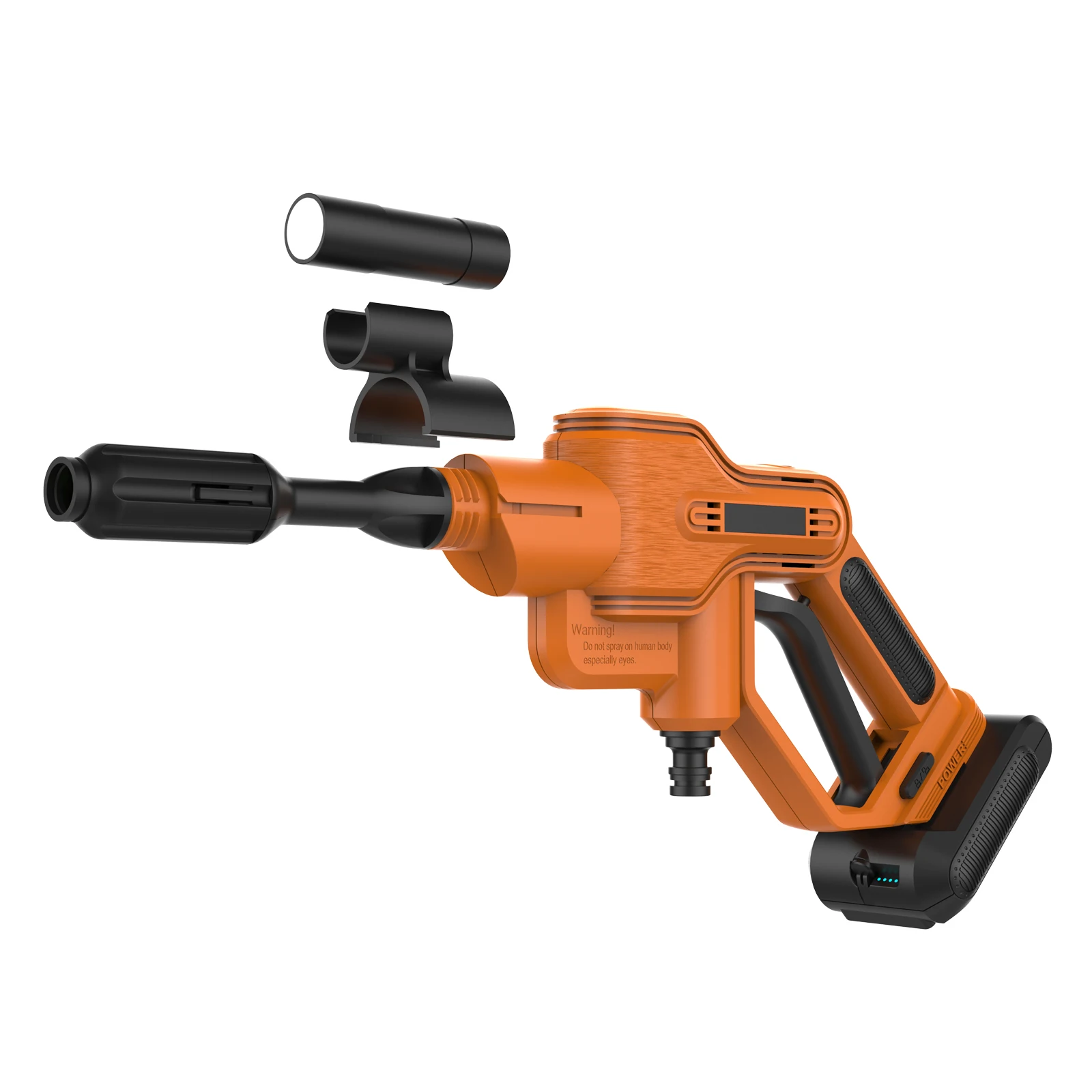
Modern pressure washers deliver water at pressures ranging from 1,300 to over 4,000 PSI, creating streams powerful enough to strip paint, cut through dirt, and even cause lacerations to human skin. Understanding these risks and implementing appropriate safety measures ensures that your cleaning projects remain productive while protecting yourself, bystanders, and property from potential harm. Professional contractors and homeowners alike must prioritize safety education and proper equipment usage to prevent accidents and maximize the benefits of pressure washing technology.
Personal Protective Equipment for Pressure Washer Operation
Essential Safety Gear Requirements
Proper personal protective equipment forms the foundation of safe pressure washer operation. Safety goggles or face shields provide crucial protection against flying debris, chemical splashes, and high-pressure water streams that could cause eye injuries. The intense pressure generated by a pressure washer can dislodge particles from surfaces at high velocity, making eye protection non-negotiable for every cleaning session.
Closed-toe shoes with good traction prevent slips and falls on wet surfaces while protecting feet from dropped equipment or debris. Steel-toed boots offer additional protection in commercial applications where heavy materials might be present. Long pants made from sturdy materials shield legs from chemical splashes and debris, while long-sleeved shirts provide similar protection for arms and torso areas.
Protective Clothing Considerations
Waterproof or water-resistant clothing helps maintain comfort and prevents prolonged exposure to cleaning chemicals that might be absorbed through wet fabric. Avoid loose-fitting garments that could become entangled in equipment or catch on nearby objects during operation. Chemical-resistant gloves protect hands from harsh cleaning solutions while providing better grip on wet surfaces and equipment controls.
Consider wearing hearing protection when operating gas-powered pressure washers for extended periods, as engine noise can exceed safe decibel levels. Non-slip work gloves with textured palms improve control over the pressure washer wand, reducing the risk of losing grip during operation. Weather conditions should influence clothing choices, with additional layers for cold weather and breathable fabrics for hot climates to prevent heat-related health issues.
Pre-Operation Safety Inspections and Setup
Equipment Condition Assessment
Before starting any pressure washer, conduct a thorough visual inspection of all components to identify potential safety hazards. Check hoses for cracks, kinks, or weak spots that could fail under pressure, potentially causing injury or equipment damage. Inspect spray wands and nozzles for damage or blockages that could affect pressure distribution or cause unexpected spray patterns.
Examine electrical connections on electric pressure washers for signs of corrosion, damage, or loose connections that could create shock hazards. Verify that all safety features, including trigger locks and pressure relief valves, function properly before beginning work. Gas-powered units require additional checks of fuel lines, engine oil levels, and air filter conditions to ensure safe and efficient operation.
Work Area Preparation and Assessment
Survey the work area for potential hazards such as electrical outlets, light fixtures, or power lines that could be damaged by high-pressure water or create electrocution risks. Remove or cover nearby objects that could be damaged by overspray or flying debris. Establish clear boundaries around the work area and ensure that bystanders, children, and pets remain at safe distances during operation.
Identify and mark locations of underground utilities, gas lines, or electrical cables that could be damaged by aggressive cleaning techniques. Check surface conditions for stability and slip hazards, addressing any concerns before beginning work. Ensure adequate drainage to prevent water accumulation that could create slip hazards or flooding issues in enclosed areas.
Proper Operating Techniques and Safety Protocols
Correct Handling and Positioning Methods
Maintain a stable, balanced stance when operating a pressure washer to prevent falls and maintain control over the equipment. Keep both hands on the spray wand whenever possible, using a firm grip to control recoil forces generated by high-pressure water discharge. Never point the pressure washer at people, animals, or delicate surfaces that could be damaged by the intense water pressure.
Start with the lowest pressure setting and widest spray pattern when beginning any cleaning task, gradually increasing pressure only as needed for effective cleaning. This approach minimizes the risk of surface damage and allows you to assess the appropriate pressure level for each specific application. Always test the pressure washer on an inconspicuous area before proceeding with full-scale cleaning operations.
Safe Distance and Angle Management
Maintain appropriate distance between the spray nozzle and cleaning surfaces to achieve effective results while preventing damage. Generally, start at least three feet away from the surface and move closer only if necessary for adequate cleaning power. Avoid spraying directly into joints, seams, or gaps where high pressure could force water into unintended areas, potentially causing structural damage or mold growth.
Use sweeping motions rather than concentrating pressure on single points to prevent surface gouging or damage. Keep the spray wand moving consistently to avoid creating uneven cleaning patterns or surface etching. Adjust spray angles to direct debris and runoff away from yourself and other people in the vicinity, preventing injury from flying particles or contaminated water.
Chemical Safety and Environmental Considerations
Detergent Handling and Application Safety
Read and follow all manufacturer instructions for cleaning chemicals and detergents used with your pressure washer system. Many cleaning solutions require specific dilution ratios and application methods to ensure safety and effectiveness. Store chemicals in their original containers with clearly visible labels, keeping them away from children, pets, and heat sources that could cause dangerous reactions.
Use only cleaning products specifically designed for pressure washer applications, as household cleaners may create excessive foam or chemical reactions that could damage equipment or create safety hazards. Apply detergents from bottom to top on vertical surfaces to prevent streaking and ensure even coverage, then rinse from top to bottom to remove all chemical residues thoroughly.
Environmental Protection and Waste Management
Prevent contaminated runoff from entering storm drains, waterways, or sensitive environmental areas by containing and properly disposing of wastewater. Many jurisdictions have specific regulations regarding pressure washer runoff, particularly when cleaning vehicles or removing paint and other potentially harmful substances. Consider using biodegradable cleaning products when possible to minimize environmental impact.
Collect and dispose of paint chips, oil residues, and other debris removed during pressure washing according to local environmental regulations. Avoid pressure washing during windy conditions that could spread contaminated water or debris to unintended areas. Plan cleaning activities to minimize water usage while achieving desired results, conserving resources and reducing the volume of wastewater requiring disposal.
Electrical Safety and Power Source Management
Electrical Connection Safety Protocols
Ensure that electrical pressure washers are connected to properly grounded outlets equipped with Ground Fault Circuit Interrupter (GFCI) protection to prevent electrocution in wet conditions. Inspect electrical cords for damage before each use, replacing any cords with cuts, exposed wires, or damaged plugs immediately. Keep electrical connections elevated and away from standing water or spray areas to prevent short circuits and shock hazards.
Use only outdoor-rated extension cords when additional length is needed, ensuring that cord capacity matches or exceeds the pressure washer's electrical requirements. Avoid running electrical cords across walkways or work areas where they could create trip hazards or be damaged by foot traffic. Unplug electrical pressure washers before performing any maintenance, adjustments, or nozzle changes to prevent accidental activation.
Generator and Power Supply Considerations
When using portable generators to power electric pressure washers, position generators in well-ventilated areas away from enclosed spaces where carbon monoxide could accumulate. Maintain adequate distance between generators and water sources to prevent electrical hazards while ensuring sufficient power delivery for optimal pressure washer performance. Monitor generator fuel levels and operating conditions throughout extended cleaning sessions to prevent unexpected shutdowns or mechanical failures.
Allow generators to cool completely before refueling and never add fuel while engines are running or hot surfaces could ignite vapors. Use proper generator grounding techniques as specified by manufacturer instructions to prevent electrical shock hazards. Consider noise levels when operating generators in residential areas, respecting local ordinances and neighbor considerations during pressure washing activities.
Maintenance Safety and Long-Term Equipment Care
Routine Maintenance Safety Procedures
Perform regular maintenance tasks only after ensuring that the pressure washer is completely depressurized and disconnected from power sources. Release all pressure from the system by squeezing the trigger until water flow stops completely, then engage trigger locks to prevent accidental activation during maintenance work. Allow engines to cool thoroughly before performing any maintenance on gas-powered units to prevent burns from hot surfaces.
Clean and inspect filters, nozzles, and other components according to manufacturer schedules to maintain optimal performance and prevent safety hazards caused by equipment malfunction. Replace worn or damaged parts immediately with manufacturer-approved components to ensure continued safe operation. Document maintenance activities and keep records of part replacements to track equipment condition and identify potential issues before they become safety hazards.
Storage and Winterization Safety
Properly prepare pressure washers for storage by removing all water from pumps, hoses, and internal components to prevent freeze damage that could create safety hazards during subsequent use. Store equipment in clean, dry locations away from children and unauthorized users who might operate machinery without proper safety training. Use manufacturer-recommended storage procedures and antifreeze products designed specifically for pressure washer systems.
Drain fuel from gas-powered units or add fuel stabilizers to prevent fuel system problems that could create fire hazards or equipment damage. Inspect and replace spark plugs, air filters, and other consumable components before storage to ensure safe startup when equipment is returned to service. Cover stored equipment to protect from dust and moisture while ensuring adequate ventilation to prevent condensation buildup that could promote corrosion or mold growth.
Emergency Procedures and Incident Response
Immediate Response to Accidents and Injuries
Develop and practice emergency response procedures before beginning pressure washer operations to ensure quick, effective action if accidents occur. Keep first aid supplies readily accessible and ensure that operators know the location of emergency shut-offs and how to quickly depressurize equipment. In case of injury, immediately stop all operations, secure the work area, and provide appropriate first aid while seeking professional medical attention for serious injuries.
High-pressure injuries require immediate medical evaluation even if they appear minor initially, as water injection under skin can cause serious complications including infection and tissue damage. Document all incidents thoroughly, including equipment conditions, operating procedures, and environmental factors that may have contributed to accidents. Use incident information to improve safety protocols and prevent similar occurrences in future operations.
Equipment Malfunction and Emergency Shutdown
Recognize warning signs of equipment malfunction such as unusual noises, vibrations, pressure fluctuations, or visible damage that could indicate impending failure. Know the location and operation of emergency shut-off controls for both pressure washers and associated equipment such as generators or compressors. Establish clear communication protocols for work teams to ensure that emergency signals are understood and followed promptly.
Practice emergency shutdown procedures regularly to develop muscle memory and reduce response times during actual emergencies. Keep emergency contact information readily available, including numbers for medical services, equipment manufacturers, and local utilities in case of damage to infrastructure during pressure washing operations. Train all team members in emergency procedures and ensure that backup operators are available to assist during extended cleaning projects.
FAQ
What should I do if my pressure washer won't start or loses pressure during operation
First, ensure all safety protocols are followed by disconnecting power and depressurizing the system completely. Check for common issues such as clogged nozzles, kinked hoses, low fuel levels in gas units, or electrical connection problems in electric models. Inspect air filters, spark plugs, and fuel lines on gas-powered pressure washers, as these components frequently cause starting and performance issues. If problems persist after basic troubleshooting, consult manufacturer documentation or contact professional repair services rather than attempting complex repairs that could compromise safety systems.
How often should I replace hoses and other pressure washer components
Replace high-pressure hoses immediately upon discovering any signs of wear, cracking, or damage, as hose failure can cause serious injury and equipment damage. Inspect hoses before each use and replace them according to manufacturer recommendations or after specific usage intervals, typically annually for commercial applications. Nozzles and spray tips should be replaced when they show signs of wear or damage that affects spray patterns or pressure delivery. Follow manufacturer maintenance schedules for internal components such as seals, valves, and pump elements, typically requiring service every 500-1000 operating hours depending on usage intensity and operating conditions.
Can I use a pressure washer on all types of surfaces safely
Not all surfaces are suitable for pressure washer cleaning, and using inappropriate pressure levels can cause permanent damage or create safety hazards. Soft materials such as wood siding, painted surfaces, and delicate masonry require low pressure settings and wide spray patterns to prevent damage. Avoid using pressure washers on electrical equipment, light fixtures, or areas where high-pressure water could penetrate and cause electrical hazards. Always test cleaning techniques on inconspicuous areas first and research appropriate pressure levels and techniques for specific surface materials before beginning full-scale cleaning operations.
What are the most important safety considerations when pressure washing around children and pets
Establish and maintain clear safety perimeters around all pressure washing operations, keeping children and pets at least 25 feet away from active work areas. The high-pressure water stream from a pressure washer can cause serious injury to children and animals who may not understand the dangers involved. Store all pressure washing equipment and chemicals in secure locations inaccessible to children and pets when not in use. Schedule pressure washing activities when children and pets can be supervised elsewhere, and never allow untrained individuals to operate pressure washing equipment regardless of their age or perceived competence level.
Table of Contents
- Personal Protective Equipment for Pressure Washer Operation
- Pre-Operation Safety Inspections and Setup
- Proper Operating Techniques and Safety Protocols
- Chemical Safety and Environmental Considerations
- Electrical Safety and Power Source Management
- Maintenance Safety and Long-Term Equipment Care
- Emergency Procedures and Incident Response
-
FAQ
- What should I do if my pressure washer won't start or loses pressure during operation
- How often should I replace hoses and other pressure washer components
- Can I use a pressure washer on all types of surfaces safely
- What are the most important safety considerations when pressure washing around children and pets