
 EN
EN
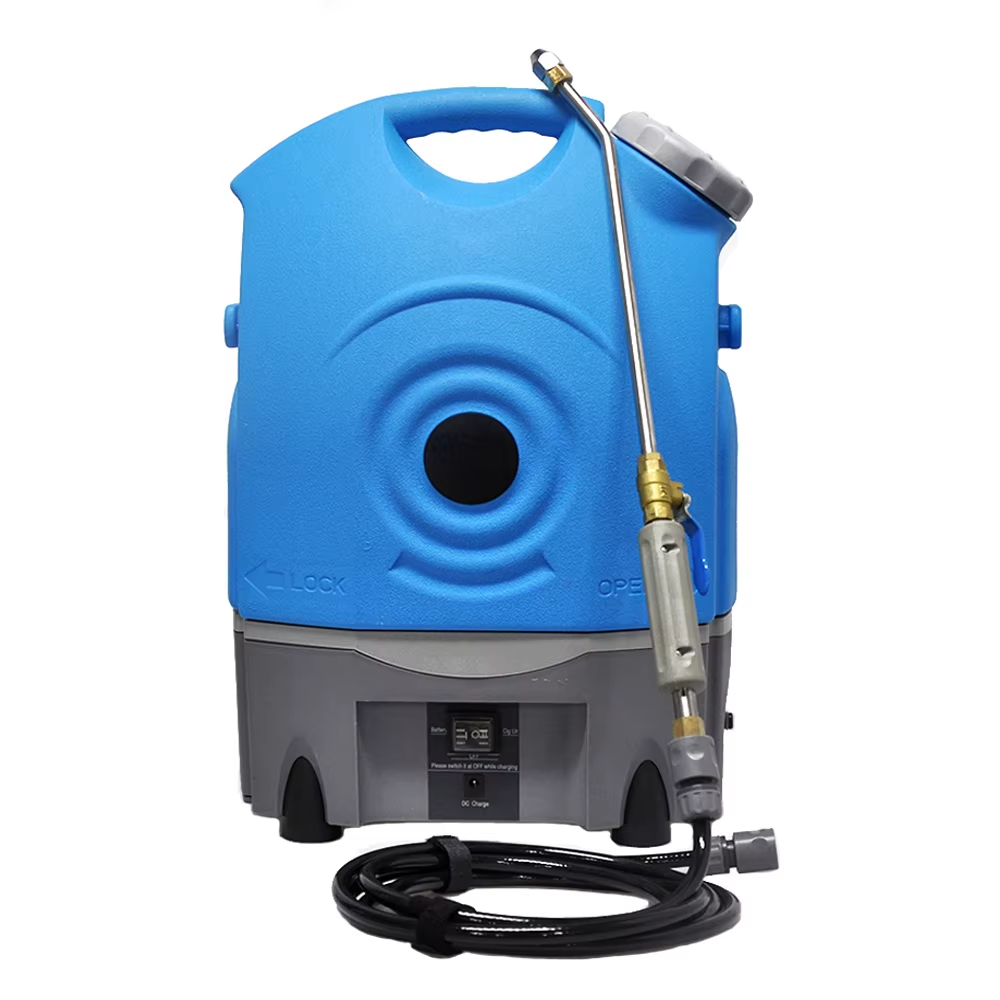
Using a pressure washer incorrectly can lead to property damage, personal injury, and poor cleaning results that defeat the purpose of this powerful cleaning tool. Many homeowners and professionals make critical errors that could easily be avoided with proper knowledge and preparation. Understanding these common mistakes is essential for anyone looking to maximize the effectiveness of their pressure washer while ensuring safety and protecting surfaces from damage.
The consequences of improper pressure washer operation extend beyond immediate visible damage to include long-term structural issues, voided warranties, and unnecessary replacement costs. Professional cleaning contractors and homeowners alike benefit from recognizing these pitfalls before they occur, as prevention is far more cost-effective than repair. This comprehensive guide examines the most frequent pressure washer mistakes and provides practical strategies for avoiding them across various cleaning applications and surface types.
Pressure and Distance Control Errors
Excessive Pressure Application
One of the most destructive mistakes involves using excessive pressure settings that exceed what delicate surfaces can withstand. Many pressure washer operators assume that higher pressure always equals better cleaning, but this misconception leads to irreversible damage to wood decking, siding, automotive paint, and landscaping features. Different materials require specific pressure ranges, and exceeding these limits can strip paint, gouge wood, crack concrete, and destroy protective surface coatings that are expensive to restore.
The pressure washer industry has established general guidelines for various surfaces, typically ranging from 1,200 to 3,000 PSI depending on the application. Soft surfaces like vehicles and outdoor furniture should never exceed 1,500 PSI, while concrete and masonry can handle higher pressures. Professional operators always start with the lowest effective pressure and gradually increase only when necessary, testing inconspicuous areas first to gauge surface response and adjust accordingly.
Improper Distance Maintenance
Maintaining incorrect distance between the pressure washer nozzle and target surface represents another critical error that compounds pressure-related damage. Operating too close to surfaces concentrates the water stream's impact force, creating concentrated damage zones that can penetrate protective barriers and reach underlying materials. Conversely, positioning the nozzle too far away reduces cleaning effectiveness and requires multiple passes, increasing overall cleaning time and water consumption.
Optimal distance varies by surface type and pressure settings, but generally ranges from 12 to 24 inches for most residential applications. Hard surfaces like concrete driveways can accommodate closer positioning, while painted surfaces and wood require greater distance to prevent damage. Experienced pressure washer users develop a feel for proper distance through practice, constantly adjusting position based on surface response and cleaning progress to maintain consistent results without causing harm.
Equipment Preparation and Maintenance Oversights
Inadequate Pre-Cleaning Inspection
Failing to conduct thorough pre-cleaning inspections of both equipment and target areas creates conditions for accidents and damage that could be prevented with proper preparation. Many pressure washer operators skip essential safety checks of hoses, connections, nozzles, and pressure settings, leading to equipment failures during operation that can cause injury or property damage. Additionally, neglecting to survey the cleaning area for obstacles, electrical hazards, and fragile items results in avoidable accidents and collateral damage.
Professional-grade preparation involves systematic equipment inspection including hose integrity checks, connection tightness verification, nozzle condition assessment, and pressure gauge calibration. The cleaning area should be cleared of loose objects, electrical components should be protected or disconnected, and nearby vegetation should be covered when using chemical detergents. This preparation phase, though time-consuming, prevents most operational problems and ensures safe, efficient cleaning sessions.
Neglecting Regular Equipment Maintenance
Regular maintenance neglect significantly reduces pressure washer performance, increases operational costs, and creates safety hazards that experienced users recognize and address proactively. Common maintenance oversights include failing to clean or replace air filters, ignoring oil changes in gas-powered units, neglecting pump lubrication, and allowing mineral deposits to accumulate in internal components. These issues compound over time, leading to reduced pressure output, increased fuel consumption, and eventual equipment failure requiring expensive repairs or replacement.
Establishing a consistent maintenance schedule based on usage frequency and manufacturer recommendations prevents most mechanical problems and extends equipment lifespan significantly. Monthly maintenance typically includes filter cleaning, oil level checks, and pump inspection, while seasonal maintenance involves more comprehensive service including spark plug replacement, fuel system cleaning, and complete pressure calibration. Users who invest in regular maintenance enjoy consistent performance and avoid costly breakdowns during critical cleaning projects.
Chemical and Detergent Application Mistakes
Incorrect Chemical Selection and Mixing
Chemical selection errors represent serious safety and effectiveness concerns that many pressure washer operators underestimate until problems arise. Using inappropriate detergents or chemicals for specific surfaces can cause permanent staining, chemical burns, environmental contamination, and damage to surrounding vegetation or materials. Common mistakes include using bleach-based cleaners on aluminum surfaces, applying acidic solutions to natural stone, and mixing incompatible chemicals that create dangerous reactions or neutralize cleaning effectiveness.
Proper chemical selection requires understanding surface composition, contamination type, and environmental factors that influence cleaning chemistry. Manufacturers provide detailed compatibility charts and mixing ratios that must be followed precisely to ensure safe, effective cleaning results. Professional operators maintain separate chemical inventories for different applications and never deviate from proven formulations, as experimentation with chemical mixing can lead to equipment damage, surface harm, and personal safety risks.
Improper Application Timing and Technique
Chemical application timing and technique significantly impact cleaning effectiveness and safety, yet many pressure washer users rush through this critical phase without proper consideration for dwell time, coverage patterns, and rinsing procedures. Applying chemicals during peak sun exposure can cause rapid evaporation and surface streaking, while inadequate dwell time prevents chemicals from breaking down contaminants effectively. Additionally, uneven application creates patchy cleaning results that require additional treatments and increase overall project time.
Optimal chemical application involves systematic coverage patterns, appropriate dwell times based on temperature and contamination level, and thorough rinsing procedures that remove all chemical residues. Surface temperature, ambient conditions, and wind patterns all influence application strategy, requiring operators to adjust techniques based on environmental factors. Professional results depend on patience and methodical approach rather than rushing through chemical phases, as proper technique prevents re-contamination and ensures lasting cleaning results.
Surface-Specific Application Errors
Wood and Composite Material Damage
Wood surfaces require specialized pressure washer techniques that many operators overlook, leading to splintering, grain raising, and premature deterioration that compromises both appearance and structural integrity. Different wood types respond differently to pressure washing, with softer woods like cedar and pine requiring gentler treatment than hardwoods like oak and maple. Composite materials present additional challenges as they can delaminate or discolor when subjected to improper pressure levels or chemical treatments designed for natural materials.
Successful wood cleaning requires understanding grain direction, moisture content, and finish types that influence cleaning approach and chemical selection. Pre-wetting techniques, controlled pressure application, and appropriate nozzle selection prevent most wood damage while achieving effective cleaning results. Post-cleaning treatment including proper drying time and protective finish application ensures long-term wood preservation and prevents issues like mold growth and UV damage that can occur after pressure washing.
Automotive and Delicate Surface Precautions
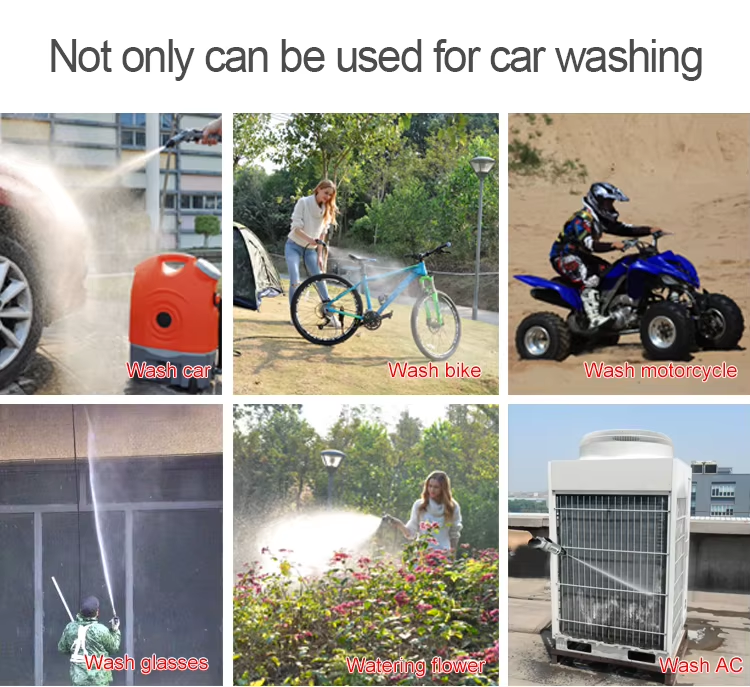
Automotive applications present unique challenges that require specialized knowledge of paint systems, trim materials, and protective coatings that can be damaged by standard pressure washer techniques. Many vehicle owners make the mistake of using pressure settings and nozzles appropriate for concrete cleaning on delicate automotive surfaces, resulting in paint damage, trim discoloration, and water intrusion into electrical components. Additionally, improper chemical selection can strip protective wax coatings and cause permanent staining on chrome and aluminum components.
Professional automotive pressure washing involves specialized equipment including foam cannons, variable pressure controls, and appropriate chemical formulations designed specifically for automotive applications. Distance control becomes critical with vehicles, as paint surfaces require consistent 18-24 inch spacing to prevent concentrated impact damage. Pre-washing preparation including wheel and tire protection, electrical component covering, and appropriate chemical pre-treatment ensures safe, effective cleaning results that enhance rather than damage vehicle appearance and value.
Safety Protocol Violations and Risk Management
Personal Protective Equipment Neglect
Safety equipment neglect represents one of the most serious mistakes pressure washer operators make, as high-pressure water streams can cause severe injuries including lacerations, eye damage, and injection injuries that require immediate medical attention. Many users underestimate the power of pressure washers and operate equipment without appropriate eye protection, closed-toe shoes, and protective clothing that can prevent serious injuries. Additionally, hearing protection becomes necessary during extended operation periods, as pressure washer noise levels can cause permanent hearing damage over time.
Comprehensive safety protocols include safety glasses or face shields, non-slip footwear with closed toes, long pants to protect legs from debris and spray, and hearing protection for extended use periods. Chemical applications require additional protection including gloves, respiratory protection when appropriate, and skin coverage to prevent chemical contact. Professional operators never compromise on safety equipment regardless of project duration or perceived risk level, as pressure washer injuries can occur instantly and cause permanent damage.
Environmental and Electrical Hazard Oversight
Environmental hazard assessment and electrical safety represent critical areas where pressure washer operators frequently make dangerous oversights that can result in electrocution, chemical contamination, and regulatory violations. Common mistakes include operating electrical equipment in wet conditions, failing to protect electrical outlets and fixtures, ignoring drainage and runoff considerations, and using pressure washers near overhead power lines without proper clearance. These oversights can cause fatal accidents and significant property damage that proper planning prevents.
Safe pressure washer operation requires comprehensive area assessment including electrical hazard identification, proper GFCI protection, adequate clearance from power lines, and appropriate runoff management to prevent contamination of water sources and neighboring properties. Weather conditions significantly impact safety considerations, as wet conditions increase electrical risks and wind can affect spray control and chemical dispersion. Professional operators always prioritize environmental and electrical safety over cleaning efficiency, as no cleaning project justifies risking personal safety or environmental damage.
FAQ
What pressure setting should I use for different surfaces?
Surface-appropriate pressure settings vary significantly based on material composition and condition. Vehicles and delicate surfaces should use 1,200-1,500 PSI, wood decking and siding work well with 1,500-2,000 PSI, while concrete and masonry can handle 2,000-3,000 PSI. Always start with lower pressure and gradually increase while monitoring surface response, testing inconspicuous areas first to prevent damage.
How close should I hold the pressure washer nozzle to surfaces?
Optimal distance ranges from 12-24 inches for most applications, with delicate surfaces requiring greater distance and hard surfaces allowing closer positioning. Maintain consistent distance throughout cleaning to ensure even results and prevent concentrated damage. Adjust distance based on surface response and cleaning effectiveness, moving closer only when necessary and backing away immediately if damage signs appear.
Can I use household cleaners in my pressure washer?
Never use household cleaners, dish soaps, or unapproved chemicals in pressure washer systems, as these can damage internal components, create dangerous reactions, and void equipment warranties. Use only manufacturer-approved detergents and chemicals designed specifically for pressure washer applications. Improper chemicals can cause pump damage, seal deterioration, and safety hazards that require expensive repairs.
What should I do if I accidentally damage something while pressure washing?
Stop operation immediately and assess the damage extent to prevent further harm. Document the damage with photographs for insurance purposes if applicable. For paint damage or surface gouging, contact appropriate repair professionals promptly, as delayed treatment often worsens damage. Review your technique and pressure settings to prevent similar incidents, and consider professional training if damage was significant or recurring.