
 EN
EN
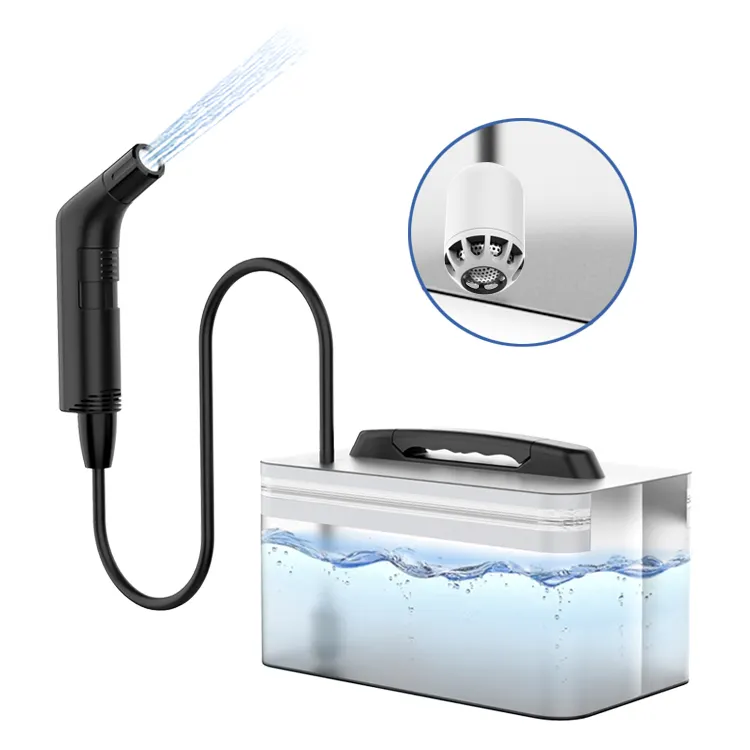
Personal hygiene has evolved significantly over the years, and one of the most revolutionary innovations in bathroom care is the portable bidet. This compact, versatile device offers an enhanced cleansing experience that traditional toilet paper simply cannot match. Whether you're traveling, dealing with mobility issues, or simply seeking a more thorough and comfortable cleaning method, understanding how to select the right portable bidet can transform your daily routine and improve your overall well-being.
The modern portable bidet market offers numerous options, each designed to meet specific needs and preferences. From battery-powered electric models to simple manual squeeze bottles, these devices provide flexibility and convenience for users across all demographics. Understanding the various features, benefits, and considerations involved in choosing a portable bidet ensures you make an informed decision that aligns with your lifestyle and hygiene requirements.
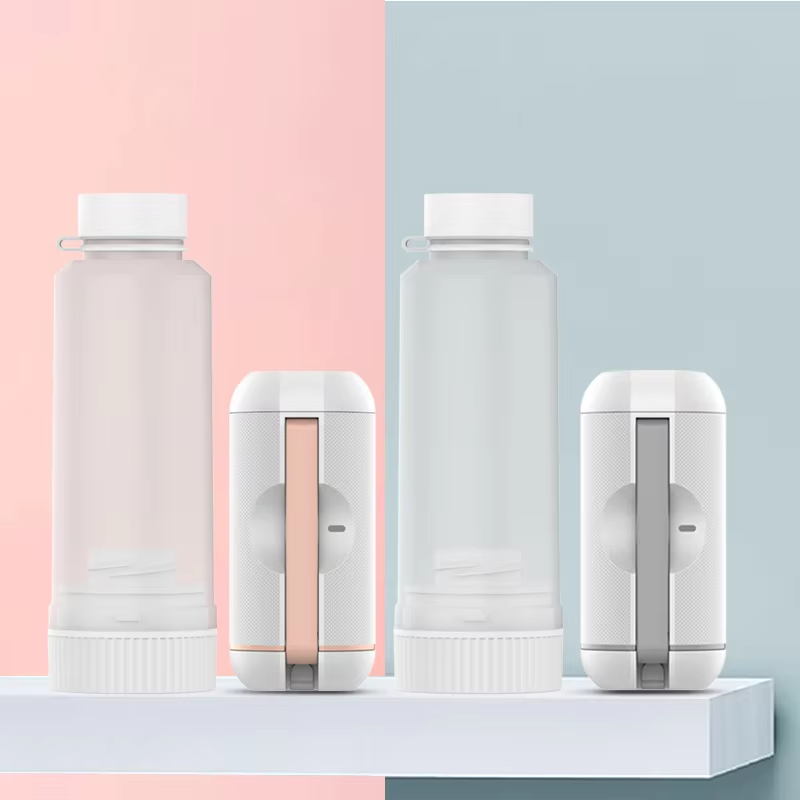
Understanding Portable Bidet Technology and Design
Electric vs Manual Portable Bidet Systems
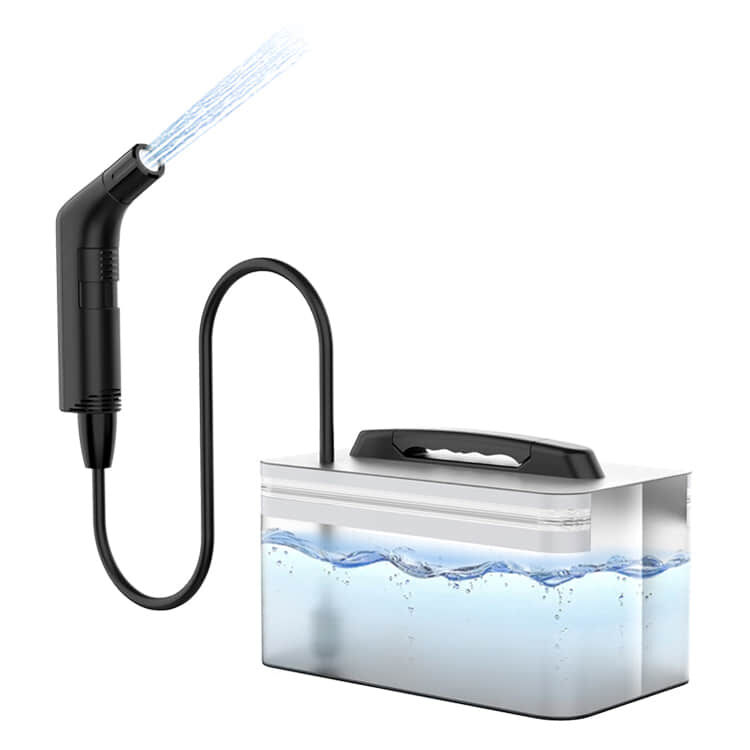
Electric portable bidet units represent the pinnacle of convenience and functionality in personal hygiene devices. These battery-operated or rechargeable models provide consistent water pressure and often include multiple spray settings for customized cleaning experiences. The electric portable bidet typically features adjustable pressure controls, allowing users to select gentle or more intensive cleaning modes based on their comfort level and specific needs.
Manual portable bidet options, while simpler in design, offer reliable functionality without the need for batteries or charging. These squeeze-bottle style devices rely on user-controlled pressure and are often preferred by travelers who want to avoid electronic components. The manual approach provides complete control over water flow and pressure, making it an excellent choice for those who prefer a more hands-on cleaning experience.
The choice between electric and manual systems often depends on frequency of use, travel requirements, and personal preferences regarding convenience versus simplicity. Electric models excel in home use and extended travel situations, while manual versions are ideal for occasional use and situations where charging capabilities may be limited.
Capacity and Water Tank Considerations
Water capacity plays a crucial role in portable bidet effectiveness and user satisfaction. Most portable bidet models feature tank capacities ranging from 200ml to 500ml, with the optimal size depending on individual cleaning preferences and usage patterns. A larger capacity portable bidet provides longer cleaning sessions and reduces the need for frequent refilling, particularly beneficial for users with specific medical conditions or those requiring more thorough cleansing.
The tank design also affects portability and storage convenience. Slim, ergonomic tanks are easier to pack and handle, while wider tanks may offer better stability during use. Consider how the portable bidet will fit into your travel luggage, bathroom storage, or daily carry routine when evaluating capacity options.
Additionally, tank material impacts durability and hygiene maintenance. High-quality plastic or silicone tanks resist bacterial growth and are easier to clean between uses. Some portable bidet models feature removable tanks for thorough sanitization, which is particularly important for shared use or medical applications.
Key Features and Functionality Assessment
Pressure Settings and Spray Patterns
Advanced portable bidet models offer multiple pressure settings to accommodate different user preferences and cleaning requirements. Gentle settings are ideal for sensitive skin, post-surgery care, or children's use, while higher pressure options provide more thorough cleaning for regular adult use. The ability to adjust pressure ensures that your portable bidet remains comfortable and effective regardless of the situation.
Spray pattern variety enhances the versatility of a portable bidet significantly. Some models feature wide spray patterns for general cleansing, while others offer focused streams for targeted cleaning. Oscillating or pulsating spray modes can provide massage-like effects that promote circulation and enhance the cleaning experience beyond basic hygiene maintenance.
When evaluating spray functionality, consider the nozzle design and adjustability. Retractable or removable nozzles facilitate easier cleaning and maintenance, while adjustable angles ensure optimal positioning for effective use. A well-designed portable bidet allows for precise control over spray direction and intensity.
Battery Life and Charging Options
For electric portable bidet models, battery performance directly impacts usability and convenience. Long-lasting rechargeable batteries ensure consistent performance over multiple uses without frequent charging interruptions. Look for models that provide clear battery level indicators and efficient charging systems that minimize downtime between uses.
Charging versatility adds significant value to a portable bidet, especially for travelers. USB charging capabilities allow for convenient power-up using laptops, power banks, or car adapters, while some models include wireless charging options for ultimate convenience. Quick-charge features can restore functionality rapidly when time is limited.
Consider the relationship between battery capacity and device size when selecting your portable bidet. While larger batteries provide extended use, they also increase weight and bulk. Finding the right balance ensures your device remains truly portable while delivering reliable performance when needed most.
Health and Hygiene Benefits
Medical Applications and Therapeutic Uses
The portable bidet serves numerous medical and therapeutic purposes beyond basic hygiene maintenance. For individuals recovering from surgery, particularly hemorrhoid procedures or childbirth, gentle water cleansing provides superior comfort compared to traditional toilet paper. The soothing effect of water helps reduce irritation and promotes faster healing in sensitive areas.
Elderly users and those with mobility limitations find portable bidet devices particularly beneficial for maintaining independence and dignity in personal care routines. The extended reach and controlled application eliminate the need for difficult positioning or assistance with intimate hygiene tasks, significantly improving quality of life and self-sufficiency.
People with certain medical conditions, such as inflammatory bowel disease, find that a portable bidet provides gentler, more effective cleansing than traditional methods. The ability to control water temperature and pressure helps manage symptoms while maintaining proper hygiene standards essential for health management.
Environmental and Economic Advantages
Incorporating a portable bidet into your hygiene routine significantly reduces toilet paper consumption, contributing to environmental conservation efforts. The average household can decrease paper product usage by 75% or more when using water-based cleansing methods, resulting in fewer trees harvested and reduced waste production.
The economic benefits of portable bidet ownership become apparent over time through reduced spending on toilet paper, wet wipes, and other disposable hygiene products. While the initial investment may seem significant, the long-term savings often justify the cost within the first year of regular use, particularly for larger households or frequent travelers.
Additionally, the superior cleaning effectiveness of a portable bidet may reduce the need for additional personal care products, such as specialized wipes or cleansing solutions. This comprehensive approach to hygiene simplifies your routine while providing better results and greater comfort.
Travel and Portability Considerations
Size, Weight, and Packing Requirements
When selecting a portable bidet for travel purposes, size and weight considerations become paramount. Compact designs that fit easily into carry-on luggage or personal bags ensure you can maintain hygiene standards regardless of your destination. The ideal travel portable bidet balances functionality with minimal space requirements, allowing for convenient packing without sacrificing performance.
Weight distribution affects comfort during extended travel periods. Lightweight models reduce overall luggage burden, while ergonomic designs ensure comfortable handling even when tanks are full. Consider how the portable bidet will feel during actual use, as awkward or heavy devices may discourage regular use despite their beneficial features.
Durability becomes especially important for travel applications, as portable bidet units may experience rough handling during transit. Look for models with reinforced construction, protective cases, or shock-resistant designs that can withstand the rigors of frequent travel while maintaining consistent performance.
International Travel and Cultural Considerations
International travelers often encounter varying hygiene standards and facilities that may not meet their comfort expectations. A reliable portable bidet ensures consistent cleanliness regardless of destination, providing peace of mind and maintaining health standards in unfamiliar environments. This independence proves particularly valuable in regions where toilet paper quality is poor or water pressure is inadequate.
Cultural sensitivity around personal hygiene devices varies globally, so discrete portable bidet designs help avoid unnecessary attention or misunderstandings during travel. Compact, inconspicuous models allow for private use without drawing unwanted curiosity from fellow travelers or accommodation staff.
Consider local water quality when traveling with a portable bidet, as some regions may have water that requires filtration or purification before use. Researching destination water conditions helps determine whether additional purification measures are necessary to ensure safe and hygienic operation of your device.
Material Quality and Safety Standards
Food-Grade Materials and Chemical Safety
The materials used in portable bidet construction directly impact user safety and device longevity. Food-grade plastics and medical-grade silicones resist bacterial growth and chemical leaching, ensuring that water contact remains safe and hygienic. These premium materials also withstand repeated sterilization procedures without degrading or releasing harmful substances.
BPA-free construction has become a standard expectation for quality portable bidet models, as this chemical can disrupt hormonal functions when absorbed through skin contact. Reputable manufacturers clearly label their products as BPA-free and often provide detailed material specifications to help consumers make informed safety decisions.
Antimicrobial coatings or treatments on portable bidet surfaces provide additional protection against bacterial and fungal growth between uses. These treatments help maintain hygiene standards even in humid environments or when thorough cleaning between uses is not possible, making them particularly valuable for travel applications.
Waterproofing and Electronic Safety
For electric portable bidet models, waterproofing ratings indicate the device's ability to withstand water exposure without electrical damage. Look for IPX ratings that specify protection levels against water splashing, submersion, and humidity exposure typical in bathroom environments.
Electrical safety certifications from recognized testing organizations provide assurance that the portable bidet meets international safety standards for consumer electronics. These certifications indicate that the device has undergone rigorous testing for electrical safety, electromagnetic compatibility, and overall user protection.
Proper insulation and sealed electrical components prevent water infiltration that could cause short circuits or create shock hazards. Quality portable bidet manufacturers design their products with multiple layers of protection to ensure safe operation in wet bathroom environments.
Maintenance and Hygiene Protocols
Cleaning and Sanitization Procedures
Proper maintenance ensures your portable bidet remains hygienic and functional throughout its lifespan. Regular cleaning protocols should include thorough rinsing of water tanks, nozzle sanitization, and periodic deep cleaning with appropriate disinfectants. Establishing a consistent maintenance routine prevents bacterial buildup and ensures optimal performance.
Tank cleaning frequency depends on usage patterns and water quality, but weekly thorough cleaning represents a good baseline for regular users. Empty the tank completely, rinse with clean water, and allow all components to air dry before reassembly. This simple routine prevents mineral deposits and bacterial growth that could affect water quality or device function.
Nozzle maintenance requires special attention due to direct contact with body areas. Removable nozzles simplify cleaning and allow for thorough sanitization using mild soap solutions or specialized cleaning products designed for personal hygiene devices. Some portable bidet models feature self-cleaning nozzles that rinse automatically before and after each use.
Storage and Preservation Guidelines
Proper storage practices extend portable bidet lifespan and maintain hygiene standards between uses. Always empty water tanks completely before storage to prevent stagnation and bacterial growth. Allow all components to dry thoroughly in a well-ventilated area before packing or storing for extended periods.
Temperature considerations affect portable bidet materials and electronic components during storage. Avoid extreme temperatures that could damage plastic components or battery performance. Room temperature storage in dry conditions provides optimal preservation for most portable bidet models.
For long-term storage, consider removing batteries from electric models to prevent corrosion or leakage that could damage internal components. Store batteries separately in appropriate conditions and reinstall them when ready to resume use. This practice extends both battery and device lifespan significantly.
Budget Considerations and Value Assessment
Price Range Analysis and Feature Correlation
Portable bidet pricing varies significantly based on features, build quality, and brand reputation. Basic manual models typically range from $15 to $40, while advanced electric versions with multiple settings and premium materials can cost $100 to $300 or more. Understanding the relationship between price and features helps identify the best value for your specific needs and budget constraints.
Mid-range portable bidet options often provide the best balance of functionality and affordability for most users. These models typically include essential features like adjustable pressure, decent battery life, and quality construction without premium bells and whistles that may not be necessary for basic hygiene needs.
Premium portable bidet models justify their higher costs through superior materials, advanced features, longer warranties, and better customer support. These investments make sense for users with specific medical needs, frequent travelers, or those who prioritize convenience and reliability above cost considerations.
Long-Term Cost-Benefit Analysis
The total cost of portable bidet ownership extends beyond the initial purchase price to include maintenance, replacement parts, and operational costs. Factor in battery replacement or charging costs for electric models, cleaning supplies, and potential repair expenses when calculating long-term ownership costs.
Savings from reduced toilet paper and wet wipe purchases can offset portable bidet costs over time, particularly for households with multiple users or individuals with higher hygiene maintenance needs. Calculate your current annual spending on disposable hygiene products to estimate potential savings and payback periods.
Health benefits may provide indirect cost savings through reduced need for medical treatments related to hygiene-associated issues. Improved cleanliness can prevent infections, reduce irritation-related problems, and promote overall better health outcomes that translate to healthcare cost reductions over time.
FAQ
How often should I clean my portable bidet
Clean your portable bidet after every few uses by rinsing the tank and nozzle with clean water. Perform a thorough cleaning weekly using mild soap and warm water, ensuring all components are completely dry before storage. For daily users, consider more frequent deep cleaning to maintain optimal hygiene standards and prevent bacterial buildup that could affect performance or safety.
Can I use tap water in my portable bidet when traveling
Tap water safety varies by location, so research water quality at your destination before use. In areas with questionable water quality, use bottled or filtered water in your portable bidet to avoid potential health issues. Some travelers carry portable water purification tablets or small filters specifically for this purpose, ensuring safe operation regardless of local water conditions.
What is the typical battery life for electric portable bidet models
Most electric portable bidet devices provide 7-14 days of regular use per charge, though this varies based on pressure settings and frequency of use. Higher pressure settings drain batteries faster, while gentle modes extend operational time. Look for models with battery level indicators to monitor charge status and avoid unexpected power loss during use.
Are portable bidets safe for children and elderly users
Portable bidets are generally safe for all age groups when used properly, though supervision may be necessary for young children initially. The gentle water pressure and temperature control make these devices particularly suitable for elderly users with sensitive skin or mobility limitations. Always start with the lowest pressure setting and gradually adjust as needed to ensure comfort and safety for all users.