
 EN
EN
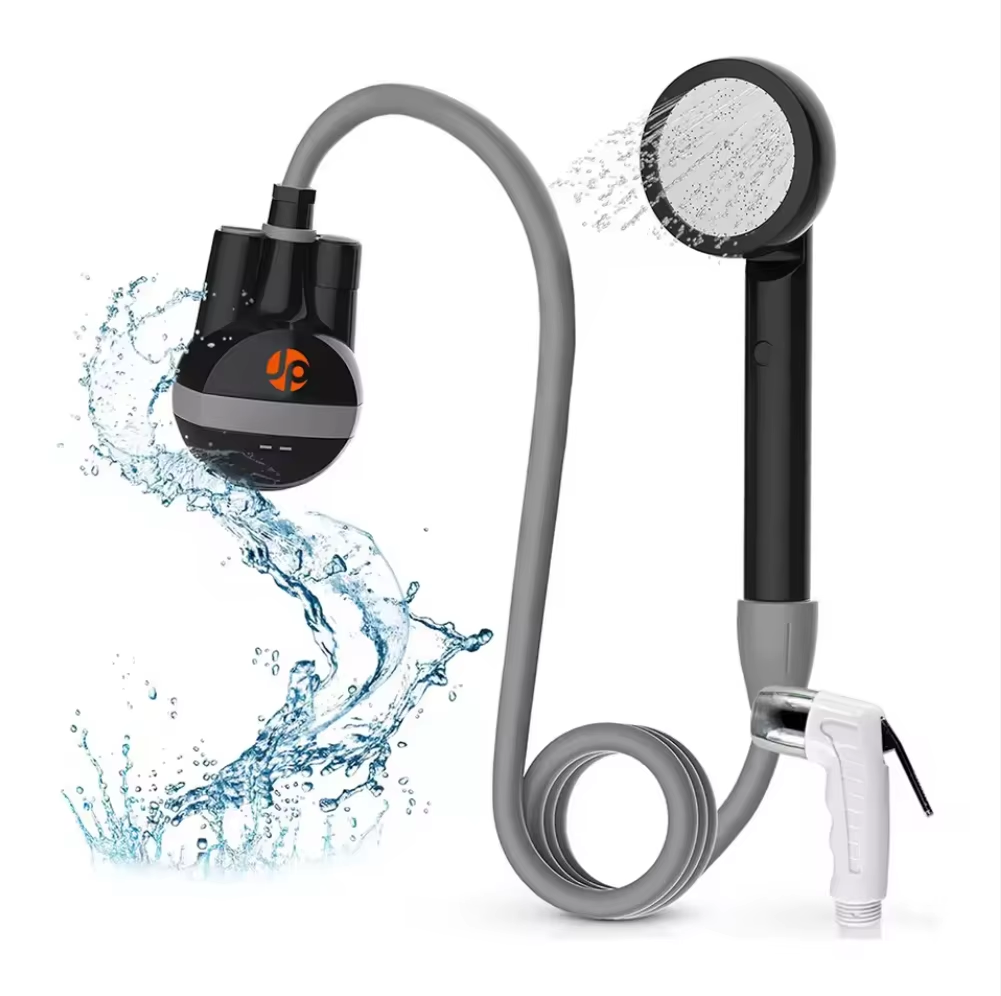
Installing an outdoor shower can transform your backyard experience, offering a refreshing way to rinse off after swimming, gardening, or exercising. Whether you're considering a permanent installation or exploring portable alternatives, understanding the key factors involved in outdoor shower planning is essential for making the right choice. From plumbing requirements to privacy considerations, creating the perfect outdoor shower setup requires careful thought and preparation.
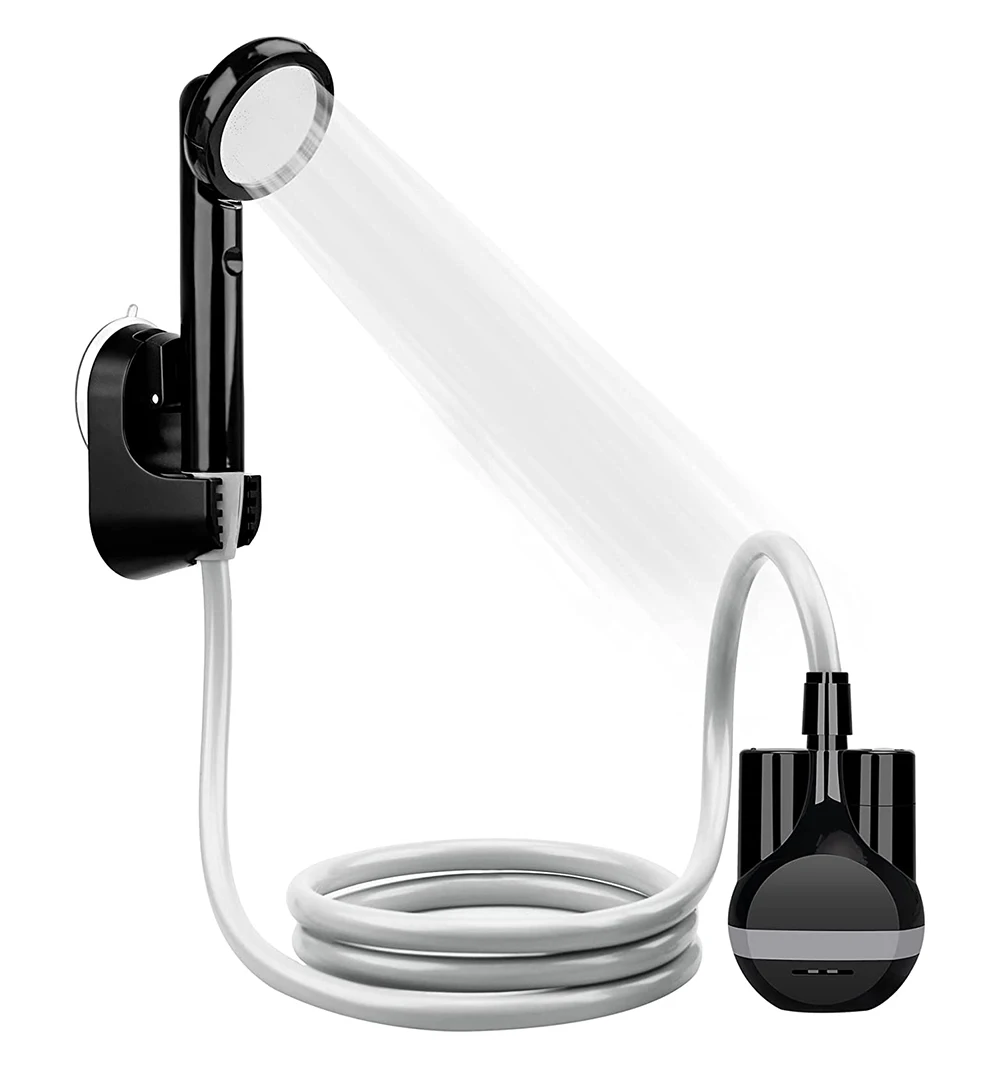
The appeal of an outdoor shower extends beyond mere functionality. It connects you with nature while providing practical benefits like keeping sand and dirt from entering your home. Modern outdoor shower solutions range from elaborate permanent fixtures to innovative portable designs that offer flexibility and convenience. Understanding these options helps determine which approach best suits your lifestyle, budget, and space constraints.
Before committing to any outdoor shower project, evaluating your specific needs and circumstances ensures optimal results. This comprehensive guide explores every aspect you should consider, from initial planning stages through implementation and maintenance. By addressing these considerations upfront, you'll create an outdoor shower experience that enhances your property value while meeting your practical requirements.
Location and Space Planning Considerations
Choosing the Optimal Placement
Selecting the right location for your outdoor shower significantly impacts both functionality and enjoyment. The ideal spot balances accessibility, privacy, and practical considerations like drainage and utility connections. Consider proximity to your home's existing plumbing infrastructure, as extending water lines can substantially increase installation costs for permanent outdoor shower systems.
Natural windbreaks and sun exposure patterns influence comfort levels throughout different seasons. Morning sun can provide warmth for early showers, while afternoon shade offers relief during hot summer months. Evaluate how seasonal changes affect your chosen location, ensuring the outdoor shower remains usable during your preferred times of year.
Ground stability and elevation play crucial roles in preventing water accumulation and ensuring proper drainage. Slightly elevated areas naturally facilitate water runoff, while low-lying spots may require additional drainage solutions. Consider the impact on surrounding landscaping and structures, ensuring water runoff doesn't cause erosion or damage to nearby areas.
Privacy and Screening Solutions
Privacy requirements vary based on your property layout, neighborhood density, and local regulations. Evaluate sightlines from neighboring properties, public areas, and windows within your own home. Strategic placement can utilize existing structures, mature vegetation, or topographical features to provide natural screening for your outdoor shower area.
Temporary screening options offer flexibility for portable outdoor shower setups or seasonal installations. Bamboo screens, outdoor curtains, or moveable panels can provide privacy while maintaining the ability to reconfigure your space as needed. These solutions work particularly well with portable shower systems that don't require permanent structural modifications.
Long-term privacy solutions might include planted barriers, permanent fencing, or integrated screening walls. Living screens using fast-growing plants create attractive, eco-friendly barriers that improve over time. Consider maintenance requirements and growth patterns when selecting vegetation for natural privacy screening around your outdoor shower location.
Water Supply and Plumbing Infrastructure
Traditional Plumbing Connections
Permanent outdoor shower installations typically require extending your home's plumbing system to the desired location. This involves running hot and cold water lines, which may require excavation and professional installation depending on distance and local building codes. Underground utilities must be located before any digging begins to avoid costly damages and safety hazards.
Water pressure considerations affect shower performance, particularly when multiple fixtures operate simultaneously. Calculate the impact on your home's overall water pressure, especially during peak usage periods. Installing a dedicated pressure tank or pump system may be necessary for optimal outdoor shower functionality in some situations.
Seasonal considerations for permanent plumbing include freeze protection in colder climates. Shut-off valves, drain capabilities, and insulation requirements vary by region and installation depth. Consulting with local plumbing professionals ensures compliance with regional codes and proper winterization procedures for your outdoor shower system.
Alternative Water Supply Methods
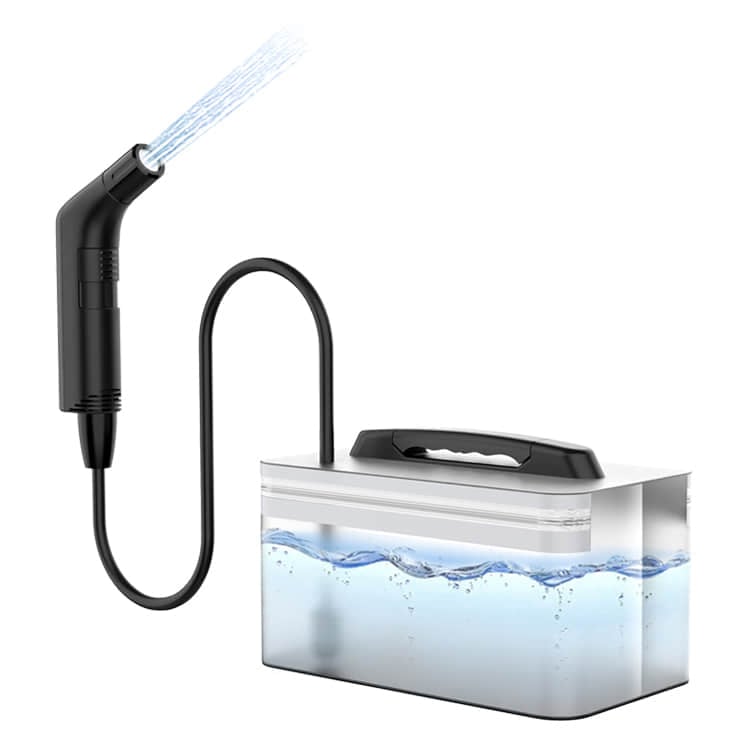
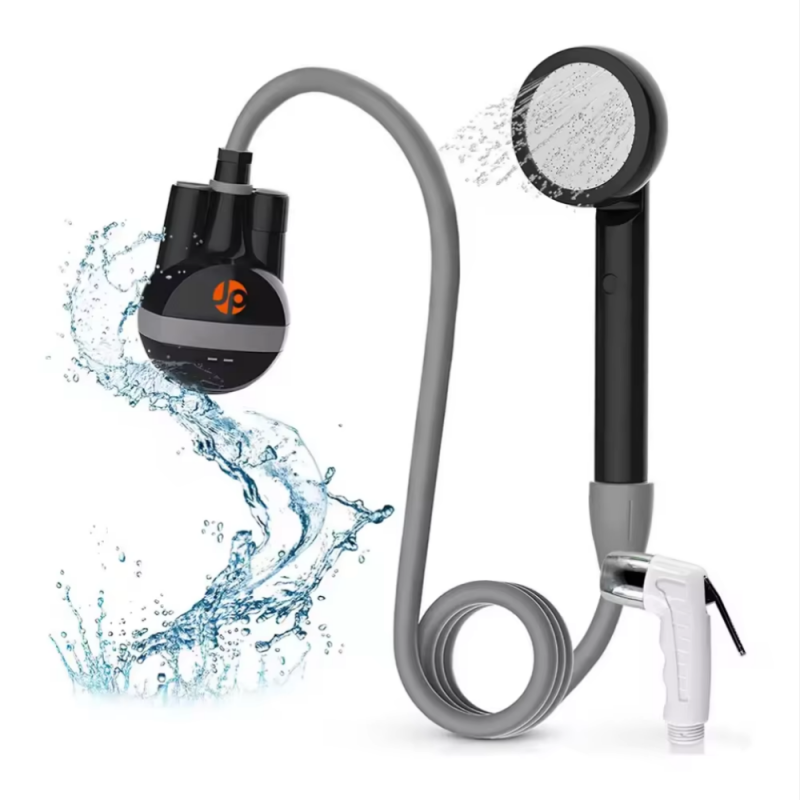
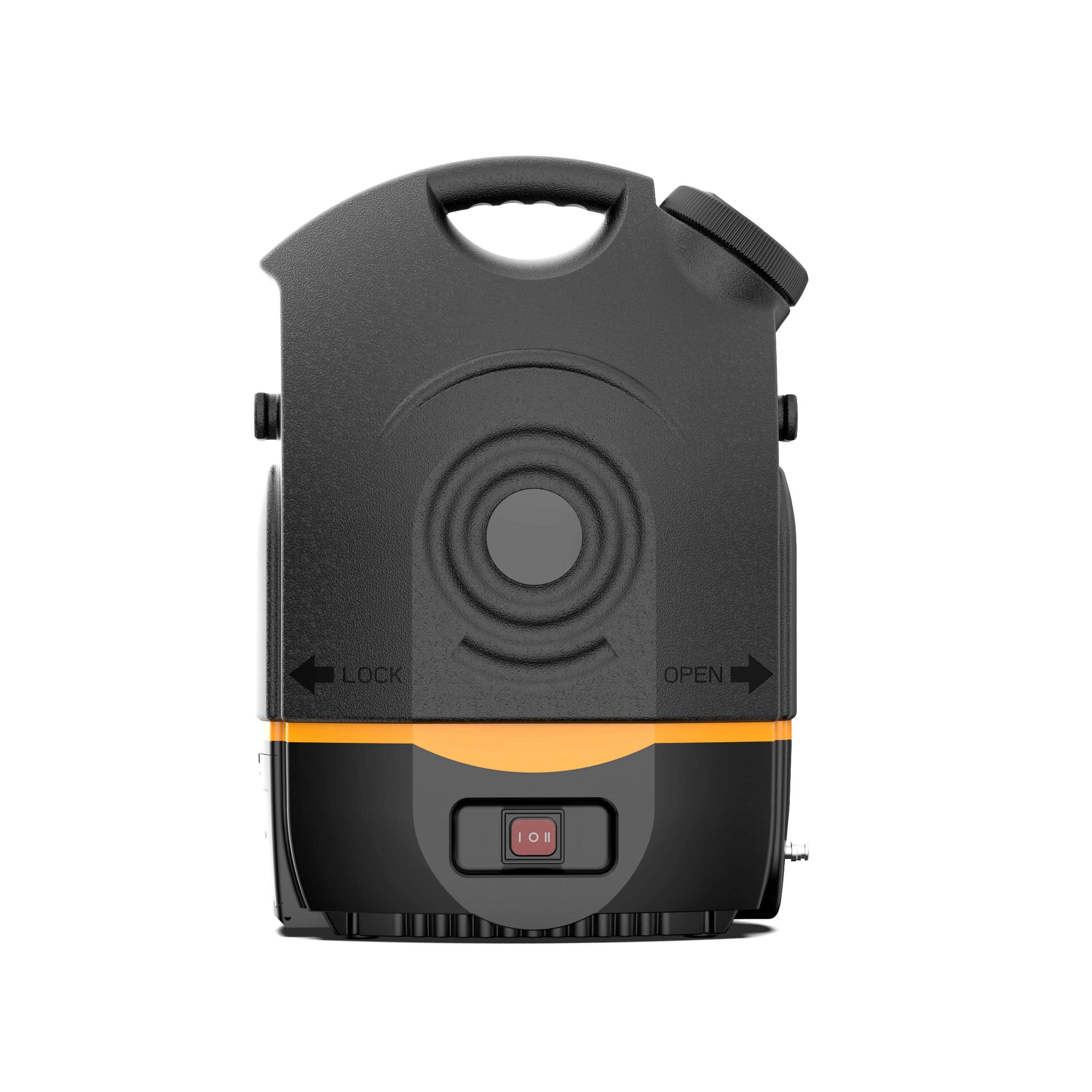
Portable outdoor shower solutions eliminate complex plumbing requirements while providing flexible installation options. These systems typically utilize gravity-fed tanks, battery-powered pumps, or pressurized containers that can be filled and refilled as needed. Such alternatives offer excellent solutions for rental properties, temporary installations, or locations where permanent plumbing isn't feasible.
Solar heating bags and tanks provide eco-friendly hot water without electrical connections. These systems use natural sunlight to warm water throughout the day, offering comfortable shower temperatures by afternoon. Capacity varies significantly, so consider usage patterns and family size when selecting solar-heated outdoor shower systems.
Well water or alternative water sources might serve outdoor shower applications in rural areas. Testing water quality ensures safety and identifies any treatment requirements before installation. Consider storage tank options and pumping systems if connecting directly to alternative water sources for your outdoor shower needs.
Temperature Control and Heating Options
Hot Water Delivery Systems
Consistent hot water delivery enhances outdoor shower comfort significantly, particularly during cooler weather or evening use. Traditional systems extend your home's hot water heater capacity to the outdoor shower location through insulated piping. However, heat loss over distance may require larger capacity heaters or additional insulation to maintain desired temperatures.
Tankless water heaters designed for outdoor use provide on-demand hot water without storage requirements. These units can be installed closer to the outdoor shower location, minimizing heat loss and improving efficiency. Propane-powered units offer independence from electrical systems while providing reliable hot water delivery for outdoor shower applications.
Electric heating elements integrated into portable outdoor shower systems offer controllable temperature options without permanent installation requirements. Battery-powered or rechargeable units provide heated water for multiple shower sessions, making them ideal for camping, outdoor events, or temporary installations where traditional hot water isn't available.
Energy Efficiency and Environmental Considerations
Solar-powered heating systems align with environmental consciousness while reducing operating costs for outdoor shower installations. Passive solar collectors can preheat water before it reaches traditional heating elements, improving overall system efficiency. Active solar systems with pumps and controllers provide more consistent temperatures but require additional complexity and maintenance.
Heat recovery systems capture waste heat from shower drainage to preheat incoming water. While more complex to install, these systems significantly improve energy efficiency for frequently used outdoor shower installations. The investment in heat recovery technology pays dividends through reduced energy costs over time.
Insulation strategies for piping and storage tanks minimize heat loss and improve system efficiency. Proper insulation becomes increasingly important in colder climates or for installations with longer pipe runs. Consider both initial insulation costs and long-term energy savings when planning your outdoor shower heating system.
Drainage and Water Management
Proper Drainage Design
Effective drainage prevents water accumulation that could damage foundations, create breeding grounds for mosquitoes, or cause safety hazards around your outdoor shower area. The drainage system must handle peak flow rates during shower use while directing water away from structures and sensitive landscaping areas.
French drains or dry wells provide excellent drainage solutions for outdoor shower installations in areas with good soil percolation. These systems allow water to gradually absorb into the surrounding soil rather than creating surface runoff that might cause erosion or drainage problems elsewhere on your property.
Graded surfaces and channel drains direct water flow toward appropriate disposal areas. The shower floor should slope gently toward drainage points to prevent standing water while maintaining comfortable footing. Non-slip surfaces become particularly important when wet, requiring careful material selection for safety and functionality.
Environmental Impact and Regulations
Local regulations may govern outdoor shower drainage, particularly regarding greywater disposal and environmental protection. Some jurisdictions require permits for permanent outdoor shower installations, while others have specific requirements for soap and shampoo use in outdoor settings to protect local water systems.
Biodegradable soap requirements protect groundwater and local ecosystems from harmful chemicals commonly found in conventional personal care products. Research eco-friendly alternatives that maintain cleaning effectiveness while minimizing environmental impact from your outdoor shower drainage.
Greywater recycling systems can redirect outdoor shower drainage for landscape irrigation, maximizing water utility while reducing waste. These systems require filtration and storage components but provide excellent environmental benefits for environmentally conscious homeowners with appropriate space and regulations.
Material Selection and Durability
Weather-Resistant Construction Materials
Outdoor shower materials must withstand constant exposure to moisture, temperature fluctuations, and UV radiation. Stainless steel, teak, and composite materials offer excellent durability with minimal maintenance requirements. These materials resist corrosion, warping, and fading that commonly affect outdoor installations over time.
Natural stone and concrete provide permanent, attractive options for outdoor shower floors and walls. Proper sealing and surface treatments enhance durability while maintaining slip resistance when wet. Consider thermal properties of materials, as some surfaces become uncomfortable hot or cold depending on sun exposure and seasonal temperatures.
Composite decking and synthetic materials offer wood-like appearance without the maintenance requirements of natural lumber. These materials resist moisture absorption, insect damage, and weathering while providing comfortable surfaces for bare feet. Quality composite materials maintain their appearance and performance characteristics for many years with minimal upkeep.
Hardware and Fixture Selection
Marine-grade hardware ensures longevity in outdoor shower environments where moisture and salt air may cause rapid corrosion of standard fixtures. Stainless steel, brass, and specialty alloys provide excellent corrosion resistance while maintaining attractive appearances over time. Investment in quality hardware prevents frequent replacement costs and maintenance headaches.
Shower fixtures designed specifically for outdoor use incorporate features like enhanced sealing, UV-resistant finishes, and temperature compensation for varying ambient conditions. These specialized fixtures often cost more initially but provide superior performance and longevity compared to indoor fixtures adapted for outdoor use.
Portable outdoor shower components require different durability considerations, focusing on impact resistance, lightweight construction, and easy maintenance. Quality portable systems balance durability with portability, using materials that withstand transportation and storage while providing reliable performance when deployed.
Budget Planning and Cost Considerations
Initial Installation Expenses
Permanent outdoor shower installations involve significant upfront costs including materials, professional installation, and potential permit fees. Excavation for plumbing lines, concrete work for foundations, and electrical connections for lighting or pumps add to overall project expenses. Obtaining detailed quotes from multiple contractors helps establish realistic budget expectations.
DIY installation can reduce labor costs for handy homeowners, but requires appropriate tools, skills, and time investment. Consider the complexity of plumbing connections, electrical work, and local code compliance when evaluating DIY versus professional installation options for your outdoor shower project.
Portable outdoor shower systems offer significantly lower initial costs while providing immediate functionality. These systems eliminate excavation, permanent plumbing, and structural work while still delivering effective shower capabilities for various outdoor activities and situations.
Long-term Operating and Maintenance Costs
Water heating costs represent ongoing expenses for outdoor shower operation, particularly in colder climates or for frequent use. Energy-efficient heating systems and proper insulation reduce operating costs while maintaining comfort levels. Calculate estimated annual operating costs when comparing different outdoor shower heating options.
Maintenance requirements vary significantly between permanent and portable outdoor shower systems. Permanent installations may require periodic sealing, hardware replacement, and plumbing maintenance, while portable systems typically need only basic cleaning and occasional part replacement. Factor these ongoing costs into your total cost of ownership calculations.
Winterization costs in colder climates include drain-down procedures, pipe insulation, and potential damage from freezing. Some installations require annual professional service for proper winterization, while others can be maintained by homeowners with appropriate knowledge and tools.
FAQ
Do I need permits for installing an outdoor shower?
Permit requirements vary by location and installation type. Permanent installations typically require plumbing permits, while some jurisdictions also require building permits for structural modifications. Portable outdoor shower systems usually don't require permits since they don't involve permanent modifications. Contact your local building department to determine specific requirements for your area and proposed installation type.
How much water pressure do I need for an effective outdoor shower?
Most outdoor shower systems function adequately with 30-50 PSI water pressure, similar to indoor shower requirements. However, pressure may decrease with distance from your main water supply and elevation changes. Portable outdoor shower systems often operate effectively with lower pressures since they utilize efficient spray patterns designed for conservation and performance.
What's the best way to heat water for an outdoor shower?
The optimal heating method depends on your usage patterns, climate, and installation type. Solar heating works well for daytime use in sunny climates, while tankless propane heaters provide consistent hot water regardless of weather. Electric heating elements offer convenience for portable systems, and extending your home's hot water system works best for frequent use permanent installations.
Can I use regular soap and shampoo in my outdoor shower?
While regular personal care products work functionally, many areas have regulations requiring biodegradable soaps for outdoor use to protect groundwater and local ecosystems. Even without regulations, using environmentally friendly products demonstrates good stewardship. Many biodegradable alternatives perform as well as conventional products while minimizing environmental impact from your outdoor shower drainage.