
 EN
EN
Cleaning outdoor surfaces, vehicles, and equipment can be one of the most time-consuming and physically demanding tasks for homeowners and professionals alike. Traditional cleaning methods often require extensive scrubbing, multiple cleaning products, and considerable physical effort to achieve satisfactory results. However, the introduction of modern cleaning technology has revolutionized how we approach these challenging tasks. A pressure washer represents a significant advancement in cleaning efficiency, offering users the ability to tackle stubborn dirt, grime, and stains with minimal physical exertion while dramatically reducing the time required to complete various cleaning projects.
Revolutionary Cleaning Efficiency Through High-Pressure Technology
Understanding the Power Behind Pressure Washing Systems
The fundamental principle behind a pressure washer involves the creation of high-pressure water streams that can effectively remove dirt, debris, and contaminants from various surfaces. These powerful machines utilize electric or gas-powered motors to pressurize water, creating streams that can reach pressures of 1,000 to 4,000 PSI or higher. This concentrated force allows users to clean surfaces that would otherwise require extensive manual scrubbing or harsh chemical treatments. The efficiency of this technology lies in its ability to penetrate deeply into surface pores and crevices, dislodging embedded dirt and grime that traditional cleaning methods might miss.
Modern pressure washer units incorporate sophisticated engineering to optimize water flow and pressure distribution. Advanced models feature adjustable nozzles and spray patterns that allow users to customize the cleaning intensity based on the specific surface and contamination level. This versatility ensures that delicate surfaces receive appropriate treatment while heavily soiled areas benefit from maximum cleaning power. The precision control offered by contemporary pressure washing systems eliminates the guesswork often associated with traditional cleaning approaches.
Time-Saving Benefits in Professional and Residential Applications
Professional cleaning contractors and maintenance teams have long recognized the significant time savings achieved through pressure washing technology. A single operator using a pressure washer can accomplish cleaning tasks that would typically require multiple workers using conventional methods. For instance, cleaning a large concrete driveway that might take several hours with brushes and detergents can be completed in under an hour using an appropriate pressure washer. This efficiency translates directly into cost savings for businesses and more leisure time for homeowners.
The rapid cleaning capability of pressure washing equipment extends beyond simple surface cleaning to include specialized applications such as graffiti removal, paint preparation, and restoration projects. These applications demonstrate how pressure washer technology can address multiple cleaning challenges simultaneously, eliminating the need for separate tools and processes. The comprehensive cleaning power ensures that users can tackle diverse projects without switching between different cleaning methodologies or equipment sets.
Effortless Operation and Reduced Physical Strain
Ergonomic Design Principles in Modern Cleaning Equipment
Contemporary pressure washer designs prioritize user comfort and ease of operation through thoughtful ergonomic considerations. Lightweight materials, balanced weight distribution, and comfortable grip handles reduce operator fatigue during extended cleaning sessions. Many models feature wheeled bases or carrying handles that facilitate easy transport and positioning, eliminating the physical strain associated with moving heavy cleaning equipment. These design improvements make pressure washing accessible to users of varying physical capabilities and age groups.
The elimination of repetitive scrubbing motions represents one of the most significant ergonomic advantages of pressure washing technology. Traditional cleaning methods often require sustained physical effort, including kneeling, bending, and vigorous scrubbing that can lead to muscle strain and joint stress. A pressure washer allows users to maintain comfortable standing positions while directing high-pressure water streams to effectively clean surfaces without physical contact or manual scrubbing.
Simplified Operation for Maximum User Convenience
Modern pressure washer systems incorporate user-friendly controls and automated features that simplify operation for both novice and experienced users. Quick-connect fittings, color-coded nozzles, and intuitive control panels eliminate confusion and reduce setup time. Many contemporary models include built-in detergent tanks and automatic mixing systems that ensure proper chemical dilution without requiring manual measurement or mixing. These convenience features allow users to focus on the cleaning task rather than equipment operation complexities.
The push-button start capability and consistent power delivery of electric pressure washers provide reliable operation without the maintenance requirements associated with gas-powered alternatives. This reliability ensures that users can begin cleaning tasks immediately without dealing with fuel mixing, engine priming, or mechanical troubleshooting. The consistent performance characteristics of modern pressure washing equipment contribute to predictable cleaning results and improved user confidence.
Versatile Applications Across Multiple Cleaning Scenarios
Residential Cleaning Applications and Surface Types
Homeowners discover numerous applications for pressure washer technology throughout their property maintenance routines. Exterior house washing, including siding, brick, and stucco surfaces, becomes significantly more manageable with appropriate pressure washing equipment. The ability to reach second-story areas using extension wands eliminates the need for ladders or scaffolding, improving safety while maintaining cleaning effectiveness. Deck and patio cleaning represents another popular residential application where pressure washing demonstrates clear advantages over traditional scrubbing methods.
Vehicle cleaning represents a specialized application where pressure washer technology excels in removing road salt, mud, and accumulated grime from cars, trucks, boats, and recreational vehicles. The gentle yet effective cleaning action preserves paint finishes while removing stubborn contaminants that might damage surfaces if removed through abrasive scrubbing. Outdoor furniture, playground equipment, and garden tools also benefit from regular pressure washing maintenance that extends their useful life and maintains appearance.
Commercial and Industrial Cleaning Requirements
Commercial facilities rely heavily on pressure washer technology for maintaining cleanliness standards and regulatory compliance. Restaurant exteriors, loading docks, and parking areas require regular cleaning to maintain professional appearances and meet health department requirements. The rapid cleaning capability of industrial-grade pressure washing equipment ensures minimal disruption to business operations while achieving thorough cleaning results that satisfy inspection standards.
Manufacturing facilities utilize pressure washer systems for equipment maintenance, floor cleaning, and preparation procedures that support production quality and workplace safety. The ability to remove oil, grease, and industrial contaminants efficiently helps maintain equipment performance and prevents contamination issues that could affect product quality. Construction sites benefit from pressure washing services for concrete preparation, equipment cleaning, and site maintenance that supports project timelines and safety requirements.
Environmental and Economic Advantages
Water Conservation Through Efficient Cleaning Technology
Despite utilizing water as the primary cleaning medium, pressure washer technology actually promotes water conservation through efficient usage patterns. The high-pressure delivery system achieves superior cleaning results using significantly less water than traditional hose-and-scrub methods. A typical pressure washer uses between 2 to 5 gallons per minute, compared to garden hoses that can consume 10 to 20 gallons per minute without achieving comparable cleaning effectiveness. This efficiency becomes particularly important in regions with water usage restrictions or conservation concerns.
The reduced reliance on chemical cleaning agents represents another environmental benefit of pressure washing technology. The mechanical cleaning action of high-pressure water streams often eliminates the need for harsh detergents or solvents that can harm surrounding vegetation or contaminate groundwater. When cleaning chemicals are necessary, pressure washer systems use them more efficiently through controlled application and thorough rinsing that prevents residue accumulation.
Long-Term Cost Savings and Equipment Value
The initial investment in quality pressure washer equipment provides substantial long-term cost savings through reduced labor requirements and eliminated service contractor expenses. Homeowners who previously hired professional cleaning services for driveways, decks, and exterior washing can achieve comparable results using their own equipment. The durability of well-maintained pressure washing equipment ensures many years of reliable service, making the cost-per-use extremely favorable compared to alternative cleaning methods.
Professional cleaning contractors recognize the competitive advantages provided by efficient pressure washer technology, including faster job completion times, reduced labor costs, and improved profit margins. The ability to take on larger projects or complete more jobs per day directly translates to increased revenue potential. Equipment financing options and the proven return on investment make pressure washer acquisition an attractive business decision for service-oriented companies.
Advanced Features and Technology Integration
Smart Controls and Automation Capabilities
Contemporary pressure washer designs incorporate advanced control systems that optimize performance while simplifying operation. Variable pressure controls allow users to adjust cleaning intensity in real-time, ensuring appropriate treatment for different surface types and contamination levels. Automatic shut-off features protect equipment from damage while conserving energy and extending component life. These intelligent systems reduce the learning curve for new users while providing experienced operators with precise control over cleaning parameters.
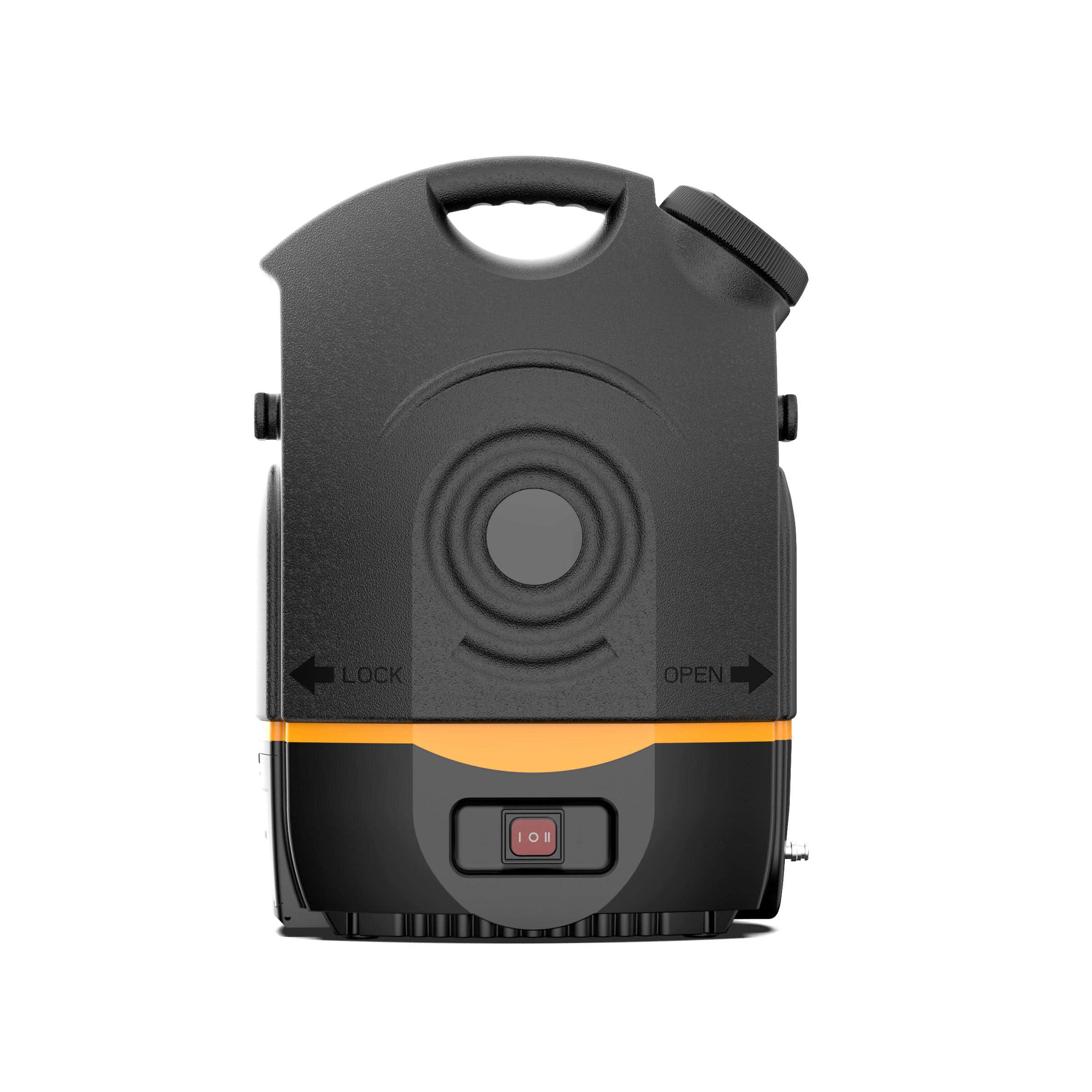
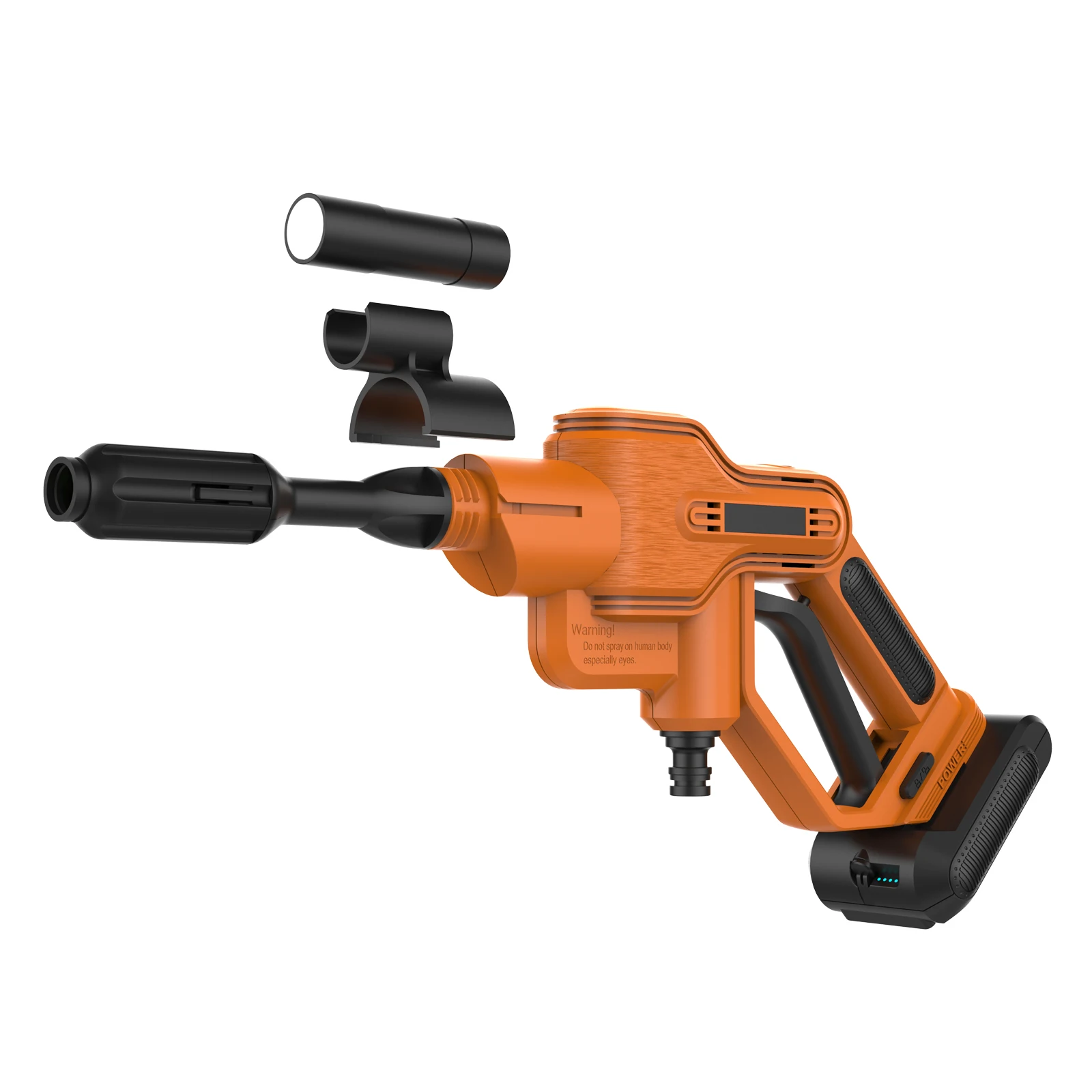
Battery-powered pressure washer models represent significant technological advancement, offering cordless operation that eliminates electrical cord limitations and enhances portability. These innovative designs incorporate efficient battery management systems that provide extended operation times while maintaining consistent pressure delivery. The combination of cordless convenience and powerful cleaning capability makes modern pressure washing equipment suitable for remote locations and applications where electrical access might be limited.
Specialized Attachments and Accessory Systems
The versatility of modern pressure washer systems extends through comprehensive accessory collections that address specific cleaning challenges. Surface cleaning attachments provide uniform cleaning patterns for large flat areas like driveways and sidewalks, reducing cleaning time while improving results consistency. Rotating brushes combine mechanical agitation with high-pressure water delivery for stubborn stains and textured surfaces that require additional cleaning action.
Foam cannons and detergent injection systems enable users to apply cleaning chemicals evenly and efficiently, ensuring thorough coverage while minimizing waste. Extension wands and angled nozzles provide access to difficult-to-reach areas without requiring ladders or awkward positioning. These specialized accessories transform basic pressure washer units into comprehensive cleaning systems capable of addressing virtually any cleaning challenge encountered in residential or commercial applications.
FAQ
What surfaces can safely be cleaned with a pressure washer?
Most exterior surfaces including concrete, brick, vinyl siding, wood decks, and vehicles can be safely cleaned with a pressure washer when appropriate pressure settings and nozzles are used. However, delicate surfaces like painted wood, soft stonework, or aged materials may require lower pressure settings or specialized techniques. Always test a small, inconspicuous area first and consult manufacturer guidelines for specific surface recommendations.
How much time can a pressure washer save compared to traditional cleaning methods?
A pressure washer typically reduces cleaning time by 75-80% compared to manual scrubbing methods. For example, cleaning a standard two-car driveway that might take 3-4 hours with brushes and detergent can usually be completed in under one hour using appropriate pressure washing equipment. The exact time savings depend on surface type, contamination level, and equipment specifications.
Do pressure washers require special maintenance or training to operate?
Modern pressure washer units are designed for user-friendly operation with minimal training requirements. Basic maintenance includes regular cleaning of nozzles, checking connections, and following manufacturer service schedules. Most residential users can operate pressure washing equipment safely after reading the instruction manual and practicing basic techniques. However, commercial applications may benefit from professional training to maximize efficiency and safety.
Can pressure washers work effectively in cold weather conditions?
Electric and battery-powered pressure washer models generally perform well in moderate cold conditions, though extreme temperatures may affect battery performance and water flow characteristics. Users should protect equipment from freezing temperatures and allow adequate warm-up time in cold conditions. Some commercial-grade units include heated water capabilities that enhance cleaning effectiveness in challenging weather conditions while preventing freeze-related damage.