
 EN
EN
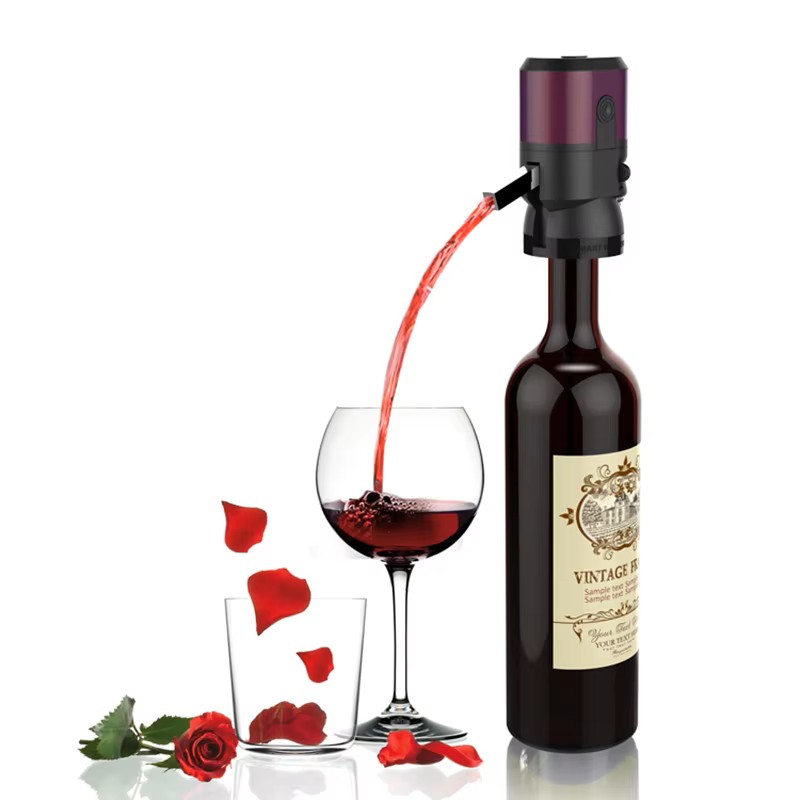
When I consult for high-end wineries, hospitality groups, and global luxury homeware importers, one question dominates our strategic discussions: How can we elevate the consumer wine tasting experience without adding operational friction or lengthy wait times? In traditional service models, proper aeration requires 30 to 90 minutes in a standard glass decanter. In busy commercial venues, private catered events, or home gatherings, this delay creates service bottlenecks, inconsistent pourings, and lost sales opportunities.
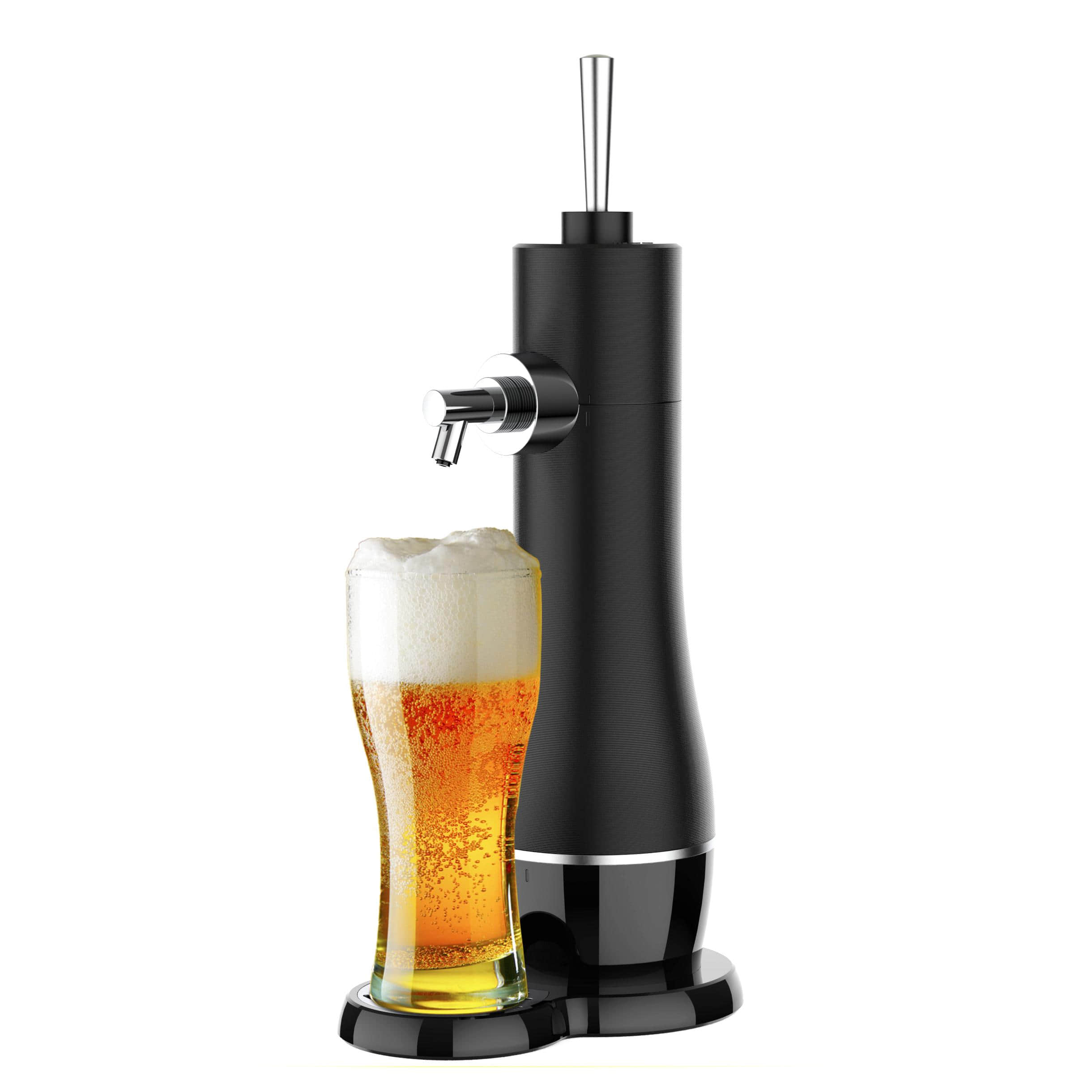
Modern beverage technology has completely reshaped this landscape. By incorporating a high-performance electric wine aerator and dispenser into your wholesale product catalog, hospitality venues and retail distributors can eliminate operational delays while instantly unlocking the full flavor profile of every bottle. The integration of an instant wine aerator or a high-efficiency portable wine aerator provides an immediate competitive advantage for wine brands, boutique stores, and hospitality managers looking to drive customer satisfaction and increase retail revenue.
The Science of Micro-Oxygenation: Why Every Wine Portfolio Needs an Instant Wine Aerator
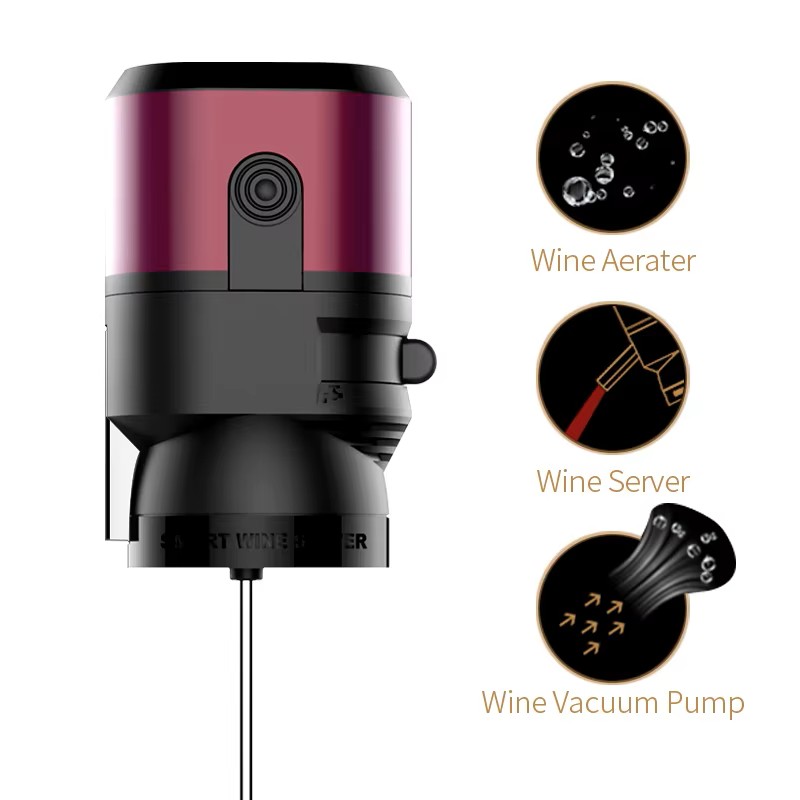
Traditional decanting relies on passive surface air contact over extended periods. A modern instant wine aerator utilizes advanced micro-fluidic aeration mechanics to infuse precise amounts of ambient oxygen directly into the wine stream as it leaves the bottle. By pushing micro-bubbles into the liquid during dispensing, an electric wine aerator and dispenser softens aggressive tannins, balances acidity, and releases volatile aromatic compounds in less than two seconds.
For wine distributors and vineyard tasting rooms, offering a premium bottle wine aerator alongside signature vintages adds direct commercial value to every sale. Whether your customers are opening a young Cabernet Sauvignon or a dense Syrah, utilizing an instant wine aerator ensures that every glass delivers the intended bouquet from the very first sip, transforming casual drinkers into loyal brand advocates.
Driving On-Premise Commercial Efficiency with a Bartender Wine Aerator
In commercial hospitality venues, service speed, portion accuracy, and cleanliness directly dictate profit margins. While a manual wine decanter pourer may suit quiet table service, it struggles to perform in fast-paced bar environments or high-volume catering operations. Upgrading to a automated bartender wine aerator delivers three immediate operational and commercial benefits:
· Precision Portioning & Waste Reduction: Automated pressure pump systems maintain a steady flow rate, preventing over-pouring and minimizing product loss during busy shifts.
· Instant Service Delivery: Hospitality staff can pour fully aerated wine by the glass on demand, eliminating pre-decanting wait times behind the bar.
· Hygiene & Zero Spillage: Food-grade silicone internal channels prevent wine contamination and stop messy drips on pristine bar countertops.
When commercial venues equip staff with a reliable bartender wine aerator, they enhance the perceived value of house wines by the glass, justifying higher menu pricing while improving overall beverage margins.
Capitalizing on Retail Growth with a Portable Wine Aerator
For retail buyers, e-commerce brand owners, and catalog managers, consumer interest in compact, battery-operated wine accessories continues to expand rapidly. Outdoor dining, luxury glamping, rooftop gatherings, and private yacht charters have driven robust demand for a high-performance portable wine aerator.
A lightweight portable wine aerator equipped with an efficient cooling cup attachment allows consumers to keep wine at optimal serving temperatures outdoors without cumbersome ice buckets. Positioned as a luxury gift item or bundled with premium bottle purchases, offering the best wine aerator pourer options creates high-margin impulse buy opportunities across online storefronts and brick-and-mortar retail locations.
Essential Certifications & Compliance: Sourcing the Best Electric Wine Aerator
When importing wine accessories for wholesale distribution, private labeling, or retail placement, product safety, international compliance, and manufacturing capabilities are non-negotiable. Poorly designed pumps or low-grade plastics can taint delicate wine flavors and severely damage brand reputation. To guarantee that you supply the best electric wine aerator to your market, your manufacturing partner must adhere to internationally recognized quality and safety frameworks:
· Food Contact Safety: Internal fluid channels, silicone suction tubes, and dispensing spouts must fully comply with FDA (United States) and LFGB (Germany/European Union) standards, ensuring 100% BPA-free, non-toxic, and taste-neutral operation.
· Electrical & Environmental Safety: Internal electronics, rechargeable battery units, and micro-pumps must hold certified CE and RoHS marks, guaranteeing electromagnetic compatibility and strict compliance with hazardous substance restrictions.
· Quality Management Standards: Partnering with an ISO 9001 certified high-tech manufacturer ensures rigorous incoming raw material testing, standardized assembly protocols, and batch-to-batch product consistency.
Sourcing from a specialized OEM/ODM manufacturer—supported by proprietary patents, advanced testing equipment, and dedicated R&D engineering teams—ensures your custom electric wine aerator and dispenser product line satisfies strict global import regulations while delivering long-term field reliability.
Key Features That Define the Best Wine Aerator Pourer Solutions
To stand out in a competitive wholesale market, buyers must look beyond basic functionality and select products engineered with consumer-focused innovations. The best wine aerator pourer models on the market today incorporate engineering refinements that solve common user pain points:
· Dual-Mode Aeration & Dispensing: Allows users to toggle aeration on or off depending on whether they are serving delicate aged wines or young tannic reds.
· Universal Bottle Compatibility: Flexible, food-grade silicone suction tubes adjust easily to fit various bottle heights and standard neck sizes.
· Integrated Temperature Control: Premium models featuring cooling cup bases ensure white wines and light reds remain chilled during extended social gatherings.
· One-Touch Cleaning Cycles: Simple maintenance routines allow users to flush the internal pump system with clean water in seconds, ensuring effortless hygienic care.
Providing these features in a single bottle wine aerator product line creates a compelling value proposition for retail shoppers and commercial hospitality buyers alike.
Expanding Market Reach Across B2B Distribution Channels
Integrating modern wine accessories into your product offering opens diverse sales channels across multiple industries:
· Hospitality & Hotel Purchasing: Supply restaurants, wine bars, and resort lounges with a heavy-duty bartender wine aerator to optimize by-the-glass wine programs.
· Corporate & Holiday Gifting: Offer custom-branded electric wine aerator and dispenser gift sets for corporate incentives, VIP client appreciation, and holiday promotions.
· Retail & E-Commerce Merchandising: Feature the best electric wine aerator as a flagship accessory to increase average order values (AOV) on consumer wine accessory websites.
Equipping your sales teams with a versatile portable wine aerator line enables your business to capture growing consumer interest in portable luxury dining accessories.
Conclusion: Elevate Your Beverage Lineup Today
Investing in advanced electric wine aerator and dispenser technology is a proven commercial strategy to elevate wine flavors, streamline service workflows, and drive retail revenue growth. Whether you are looking to source an efficient wine decanter pourer, add a versatile portable wine aerator to your outdoor lifestyle catalog, or supply your sales channels with the best wine aerator pourer on the market, partnering with an ISO-certified, engineering-driven OEM/ODM manufacturer is your key to sustained market success.
Table of Contents
- The Science of Micro-Oxygenation: Why Every Wine Portfolio Needs an Instant Wine Aerator
- Driving On-Premise Commercial Efficiency with a Bartender Wine Aerator
- Capitalizing on Retail Growth with a Portable Wine Aerator
- Essential Certifications & Compliance: Sourcing the Best Electric Wine Aerator
- Key Features That Define the Best Wine Aerator Pourer Solutions
- Expanding Market Reach Across B2B Distribution Channels
- Conclusion: Elevate Your Beverage Lineup Today