
 EN
EN
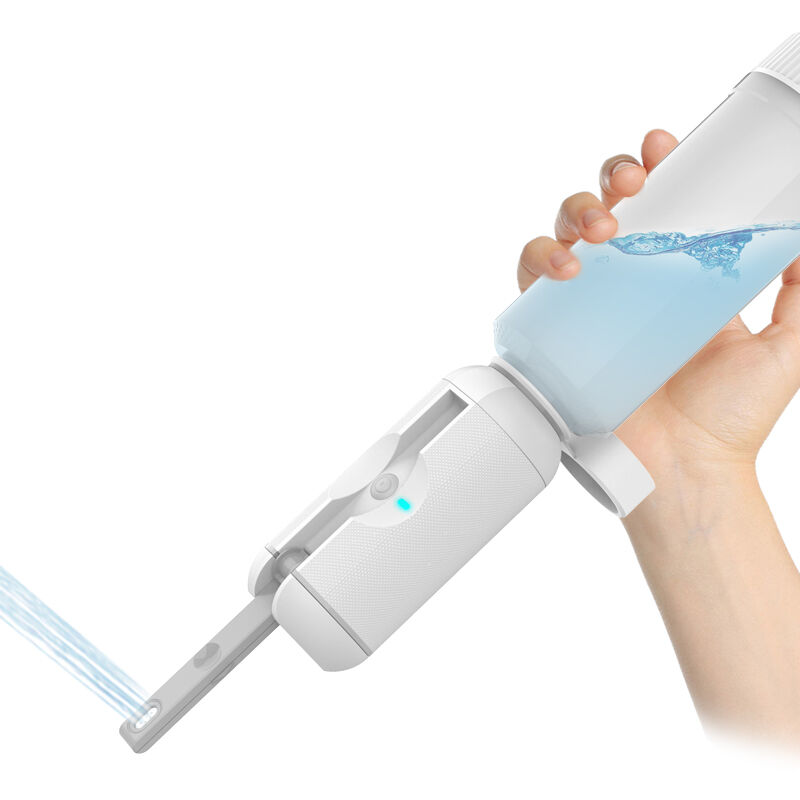
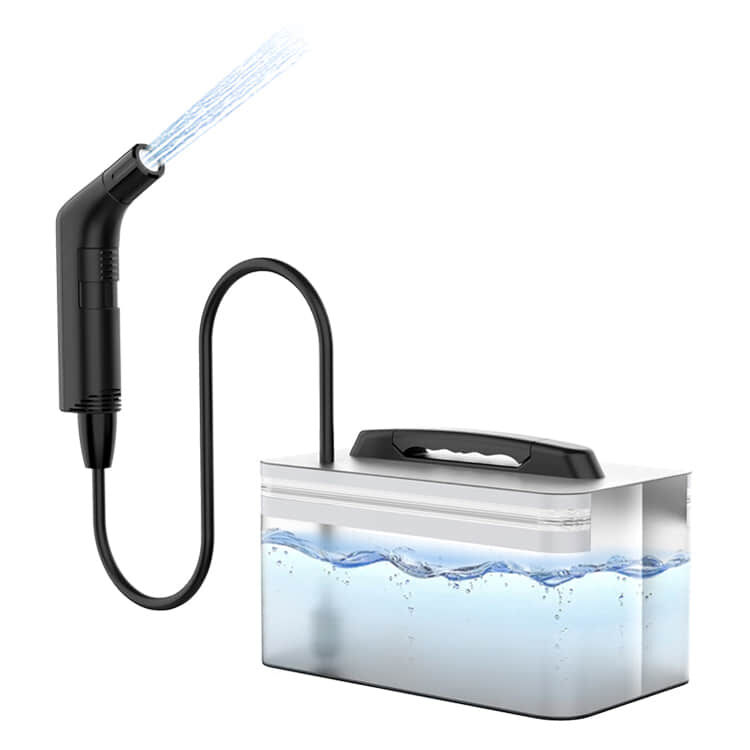
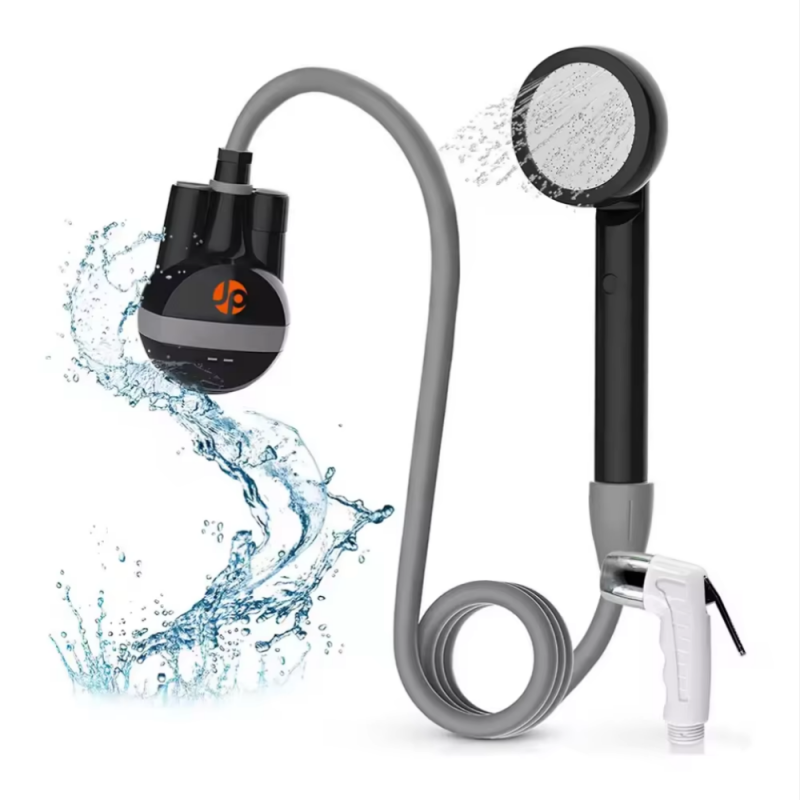
Selecting the perfect camping shower for your outdoor adventures requires careful consideration of multiple factors that directly impact your comfort and hygiene in remote locations. The right camping shower can transform your wilderness experience from a challenging ordeal into a refreshing and enjoyable journey, allowing you to maintain personal cleanliness without sacrificing the freedom that comes with outdoor exploration. Understanding the essential features, power requirements, and practical limitations of different camping shower options will help you make an informed decision that aligns with your specific adventure needs.
Modern camping shower technology has evolved significantly, offering adventurers a wide range of portable solutions that balance convenience, effectiveness, and practicality. From gravity-fed systems to battery-powered units, each camping shower type presents unique advantages and challenges that must be evaluated against your specific outdoor activities, group size, and available resources. The selection process involves analyzing water capacity, pressure capabilities, power source reliability, and overall durability to ensure your chosen camping shower performs consistently throughout your adventure.
Essential Features to Consider in a Camping Shower
Water Capacity and Flow Management
Water capacity represents one of the most critical factors when selecting a camping shower, as it directly determines how many people can use the system and for how long. Most portable camping shower units offer water reservoirs ranging from 5 to 20 liters, with larger capacities providing extended usage but increased weight and bulk. The optimal capacity depends on your group size, trip duration, and available water sources, requiring careful balance between convenience and portability constraints.
Flow rate control mechanisms allow users to adjust water pressure and conserve precious water resources during extended camping trips. Advanced camping shower models feature variable pressure settings, pause functions, and efficient nozzle designs that maximize cleaning effectiveness while minimizing water waste. These flow management capabilities become particularly important in remote locations where water resupply opportunities are limited or nonexistent.
Power Source and Battery Performance
Battery-powered camping shower units offer superior convenience and consistent performance compared to gravity-fed alternatives, but require careful evaluation of power source reliability and charging options. USB-rechargeable models provide the most versatile charging solutions, allowing users to power their camping shower through power banks, solar panels, or vehicle charging ports during extended outdoor adventures. Battery capacity typically ranges from 2000mAh to 5000mAh, with higher capacities supporting longer operation times and more shower sessions per charge.
Understanding battery runtime expectations helps prevent disappointing performance during critical moments when personal hygiene becomes essential for comfort and health. Most quality camping shower units provide 45-90 minutes of continuous operation, sufficient for multiple users or extended cleaning sessions. Rechargeable lithium-ion batteries offer the best performance-to-weight ratio and maintain consistent power output throughout the discharge cycle.
Portability and Durability Requirements
Size and Weight Considerations
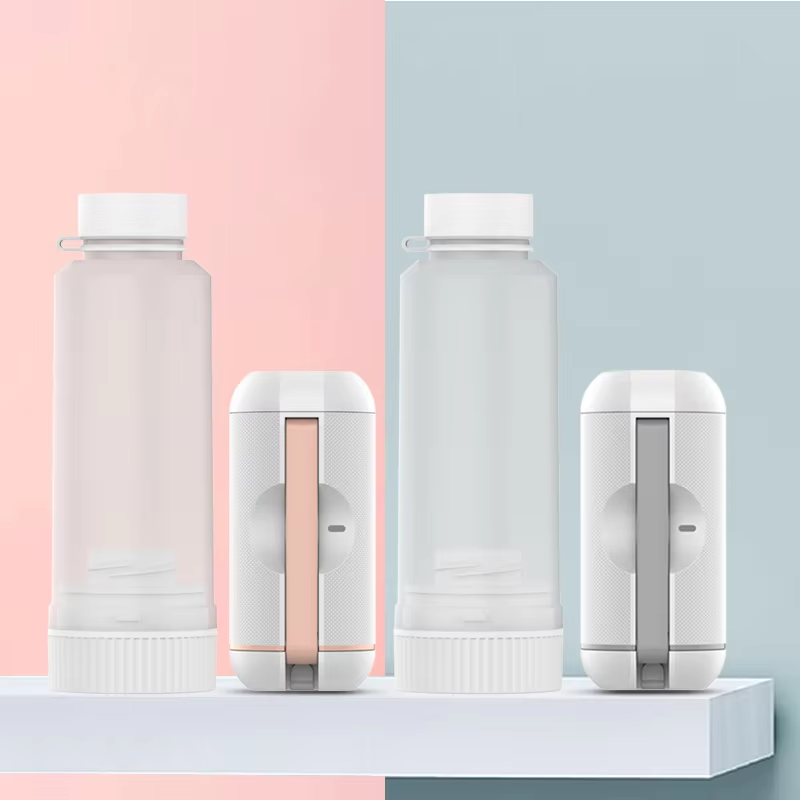
Portability remains a paramount concern for backpackers and minimalist campers who must carefully manage every ounce of carried equipment. The most effective camping shower designs compress into compact packages while maintaining full functionality, with the best units folding or collapsing to dimensions smaller than a standard water bottle. Weight considerations become particularly critical for hiking and trekking adventures where every gram affects overall comfort and endurance capabilities.
Ultra-portable camping shower models typically weigh between 300-800 grams, making them suitable for extended backpacking trips without significantly impacting pack weight. The lightweight construction should not compromise durability or performance, requiring manufacturers to utilize advanced materials and engineering techniques. Compact storage capabilities allow camping shower units to fit efficiently within existing gear arrangements without requiring dedicated space allocation.
Weather Resistance and Build Quality
Outdoor environments expose camping shower equipment to extreme temperature variations, moisture, dust, and physical impacts that can compromise performance and longevity. High-quality camping shower units feature IPX6 or IPX7 water resistance ratings, protecting internal electronics from rain, splashing, and accidental submersion during normal use. Temperature tolerance specifications ensure reliable operation in both hot desert conditions and cold mountain environments where standard equipment might fail.
Durable construction materials such as reinforced plastics, corrosion-resistant metals, and UV-stabilized components extend camping shower lifespan while maintaining consistent performance throughout multiple adventure seasons. Quality control standards and manufacturing precision directly impact long-term reliability, making brand reputation and warranty coverage important selection criteria. Robust design features include impact-resistant housings, secure connection points, and replaceable components that can be serviced in field conditions.
Performance and Pressure Specifications
Water Pressure Output
Adequate water pressure ensures effective cleaning while providing a comfortable shower experience that closely approximates home bathroom conditions. Most quality camping shower units generate 1.5-3.0 bar pressure, sufficient for thorough rinsing and soap removal without excessive water consumption. Higher pressure settings prove particularly valuable for washing hair, removing stubborn dirt, and cleaning equipment after outdoor activities.
Pressure consistency throughout the battery discharge cycle indicates superior pump design and electronic control systems that maintain user satisfaction regardless of remaining power levels. Variable pressure controls allow users to adjust output based on specific cleaning requirements, water availability, and battery conservation needs. Some advanced camping shower models feature pressure memory settings that automatically resume preferred configurations after power cycling.
Nozzle Design and Spray Patterns
Nozzle engineering significantly impacts cleaning effectiveness, water consumption efficiency, and overall user satisfaction with camping shower performance. Multi-function spray heads offer various patterns including focused streams for targeted cleaning, wide sprays for general rinsing, and gentle mist settings for water conservation. Ergonomic nozzle designs provide comfortable grip surfaces and intuitive control mechanisms that function effectively even with wet or soapy hands.
Advanced nozzle features include pause buttons for instant flow control, rotating spray patterns for versatile cleaning options, and removable heads for easy maintenance and replacement. The nozzle connection system should provide secure attachment while allowing quick disconnection for storage and transport. Quality camping shower nozzles resist clogging from hard water minerals and debris commonly encountered in natural water sources.
Setup and Operation Procedures
Installation and Water Source Integration
Efficient camping shower setup procedures minimize time and complexity while ensuring reliable operation throughout your outdoor adventure. Most modern units feature tool-free assembly with intuitive connection systems that work effectively in low-light conditions or challenging weather environments. The setup process should accommodate various water sources including natural streams, lakes, portable containers, and pre-treated water supplies.
Flexible intake systems allow camping shower units to draw water from containers of different shapes and sizes, maximizing compatibility with existing camping gear. Some advanced models include flotation devices or weighted intake systems that maintain optimal positioning within water containers or natural sources. Quick-connect fittings and standardized hose dimensions ensure compatibility with common camping accessories and replacement parts.
Maintenance and Cleaning Protocols
Regular maintenance procedures extend camping shower lifespan while ensuring consistent performance and hygiene standards throughout extended outdoor use. Basic cleaning involves flushing the system with clean water after each use, removing soap residue and mineral deposits that can affect pump operation and water flow. More thorough maintenance includes disassembling removable components, cleaning filters, and inspecting seals for wear or damage.
Long-term storage preparation requires complete water removal, battery charge optimization, and protective storage in dry environments to prevent corrosion and component degradation. Many camping shower manufacturers provide specific maintenance schedules and recommended cleaning products that preserve warranty coverage while ensuring optimal performance. User-serviceable components allow field repairs and replacement of common wear items without requiring professional service or complete unit replacement.
FAQ
How long does a typical camping shower battery last?
Most quality camping shower units provide 45-90 minutes of continuous operation on a single charge, depending on battery capacity and pressure settings. USB-rechargeable models with 3000-5000mAh batteries typically support 60-90 minutes of use, sufficient for 4-6 people taking quick showers. Battery performance may decrease in cold weather conditions, so it's advisable to keep spare power banks for extended trips.
What water temperature can camping showers handle?
Standard camping shower units safely handle water temperatures up to 40-50°C (104-122°F), suitable for comfortable warm showers without damaging internal components. Most units work effectively with room temperature water, though heating water separately in camping pots or solar bags can enhance shower comfort. Always check manufacturer specifications before using heated water to avoid pump damage or warranty voidance.
Can camping showers work with saltwater or untreated natural water?
While camping showers can technically pump saltwater or natural water sources, prolonged use with untreated water may cause mineral buildup, corrosion, or clogging issues. It's recommended to use filtered or treated water when possible, and always flush the system thoroughly with clean freshwater after using natural sources. Some units include basic filtration features, but these don't replace proper water treatment for drinking or sensitive skin contact.
How much water pressure do camping showers provide compared to home showers?
Quality camping shower units generate 1.5-3.0 bar pressure, approximately 30-70% of typical home shower pressure (2-4 bar). While not matching residential water pressure, this output provides adequate cleaning effectiveness for outdoor hygiene needs. The pressure remains consistent throughout most of the battery cycle, ensuring reliable performance for thorough washing and rinsing activities during camping adventures.