
 EN
EN
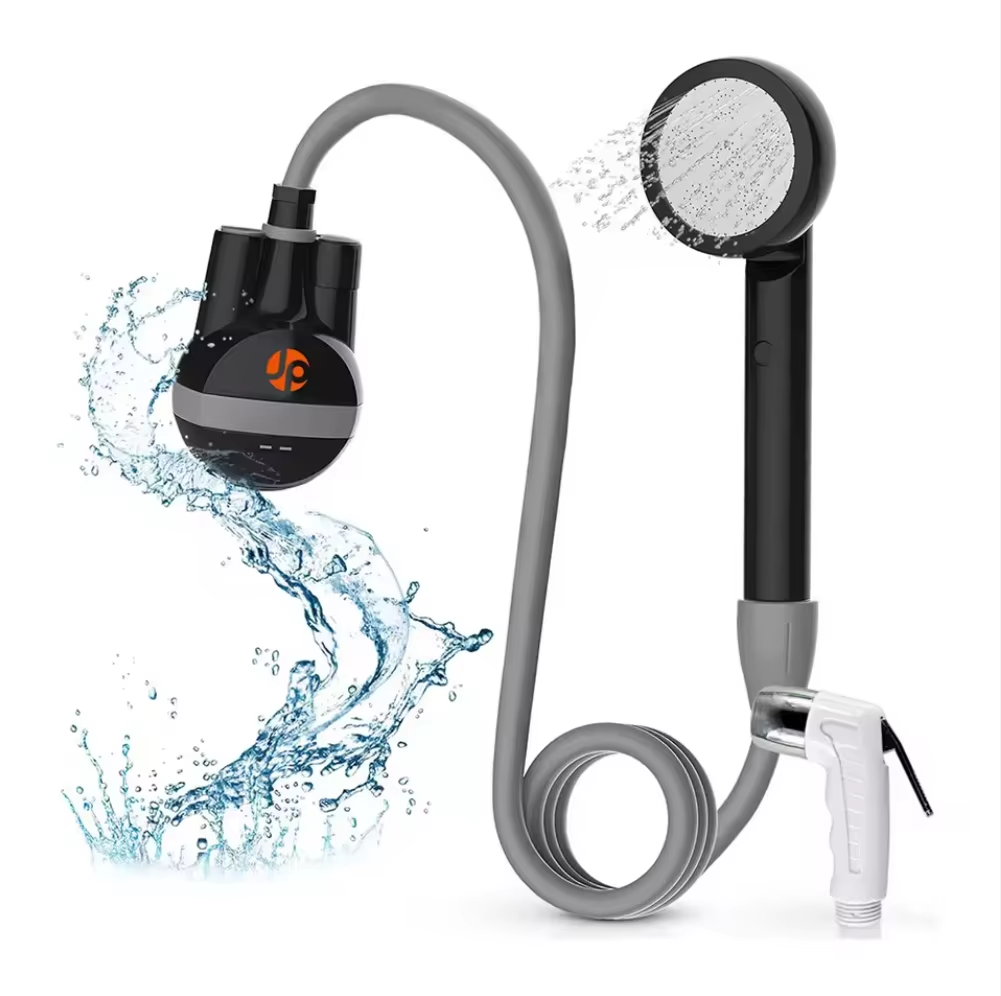
A camping shower enhances comfort in remote locations by restoring control over hygiene, temperature, and daily routine when infrastructure is absent. In practical field conditions, a camping shower is not only about feeling clean; it reduces skin irritation, helps manage sweat and dust buildup, and supports better sleep after long days outdoors. For teams working in rugged terrain, families staying off-grid, or solo travelers operating far from facilities, a camping shower creates a predictable personal-care cycle that makes extended stays more sustainable. When people can wash on their own schedule, they conserve energy, maintain morale, and handle weather shifts with less physical stress.
Remote comfort is usually shaped by small systems that reduce friction in daily tasks, and a camping shower is one of the highest-impact tools in that category. It supports health discipline, improves transition from work mode to rest mode, and helps people stay functional over multi-day trips without relying on fixed campsites. Whether used after hiking, setup labor, field inspection, or emergency response activities, a camping shower closes a key gap between basic survival and practical comfort. That gap matters in B2B outdoor operations where human performance and consistency directly affect outcomes.
Comfort Gains Through Reliable Hygiene
Physical relief after dust, sweat, and exposure
In remote settings, exposure to dust, humidity, and perspiration accumulates quickly, especially when movement is constant. A camping shower helps remove debris from skin and hair before irritation turns into persistent discomfort. This simple reset lowers the chance of rashes in warm climates and reduces the sticky fatigue that often builds after layered clothing use. As a result, workers and travelers recover faster between activity blocks.
The value of a camping shower becomes clearer on day two and beyond, when cleanup quality starts to influence stamina. Wiping down with limited water can work briefly, but it rarely replaces full rinse capability. A camping shower allows better cleaning of high-friction areas, improving comfort during sleep and movement the next day. This continuity is one reason remote crews increasingly treat shower access as an operational necessity rather than a luxury.
Psychological reset and morale stability
A camping shower also acts as a routine anchor in environments where most routines are disrupted. After a demanding day, the act of washing provides a clear mental transition from effort to recovery. That transition improves perceived control, which is a major factor in stress management during off-grid assignments. Even short rinse cycles can reduce tension and support better interpersonal dynamics in shared camps.
Morale often drops when discomfort compounds over time, not because of one major failure but because of many small unresolved issues. A camping shower addresses one of the most personal of those issues and can elevate team resilience. Cleaner, more comfortable people make better decisions and communicate with less friction. In remote operations where errors are costly, this effect has practical business relevance.
Health and Operational Benefits in Remote Environments
Hygiene risk reduction during extended stays
When water access is limited, hygiene shortcuts become common, and that raises risk over longer trips. A camping shower supports regular cleansing that helps remove contaminants, sweat salts, and environmental residue before they create skin problems. In hot climates, frequent light rinsing with a camping shower can be more effective than occasional heavy washing because it maintains baseline cleanliness. This pattern is especially important in field work where protective clothing increases heat load.
A camping shower is also useful for targeted cleanup after specific tasks such as fuel handling, equipment servicing, or trail maintenance. Instead of carrying contamination into sleeping gear or vehicles, users can rinse immediately. This reduces secondary mess and lowers cleanup burden later in the day. Over time, this disciplined approach improves both personal comfort and camp hygiene standards.
Productivity support in B2B field workflows
In industrial and service deployments, comfort tools are often judged by their impact on productivity. A camping shower contributes by shortening recovery time between shifts and reducing avoidable discomfort that distracts workers. Teams that can wash efficiently spend less time improvising hygiene solutions and more time on task execution. The outcome is smoother schedule adherence in sites where logistics are already tight.
For project managers, a camping shower can be part of risk control rather than only welfare provision. Better hygiene supports attendance consistency and lowers minor condition escalations that disrupt staffing plans. It also improves client-facing readiness when teams must move from rough terrain to stakeholder interaction without full facilities. In this way, a camping shower helps maintain professional standards under constrained conditions.
How a Camping Shower Improves Daily Living Systems Off-Grid
Integration with water planning and camp layout
A camping shower works best when integrated into a broader water-use plan that includes drinking, cooking, and sanitation. By assigning defined rinse windows and using controlled flow methods, camps can maintain cleanliness without exhausting reserves. This approach turns the camping shower into a predictable component of daily operations instead of an ad hoc convenience. Predictability is central to comfort in remote environments.
Placement also matters: setting the camping shower near drainage-safe ground and privacy screening improves usability and adoption. If access is awkward, people delay washing, which reduces the benefit. Practical camp design encourages consistent use, and consistency drives comfort outcomes. Small setup choices can therefore determine whether hygiene routines are maintained under fatigue.
Temperature control and recovery quality
Water temperature has a direct effect on recovery quality, and a camping shower enables flexible temperature strategies depending on climate. In hot regions, a cool rinse helps lower body heat and calm inflammation after physical exertion. In colder conditions, controlled warm water supports muscle relaxation and reduces the stress of exposure. Matching rinse temperature to environment improves sleep quality and next-day readiness.
A camping shower also supports faster cleanup after weather events such as rain, mud, or windblown dust. Instead of carrying discomfort into shelter, users can reset quickly and protect bedding from contamination. This preserves the comfort of the sleeping area, which is a major determinant of trip sustainability. Over multiple days, these repeated recovery gains become significant.
Practical Use Cases Where Comfort Impact Is Highest
Remote work crews and temporary field bases
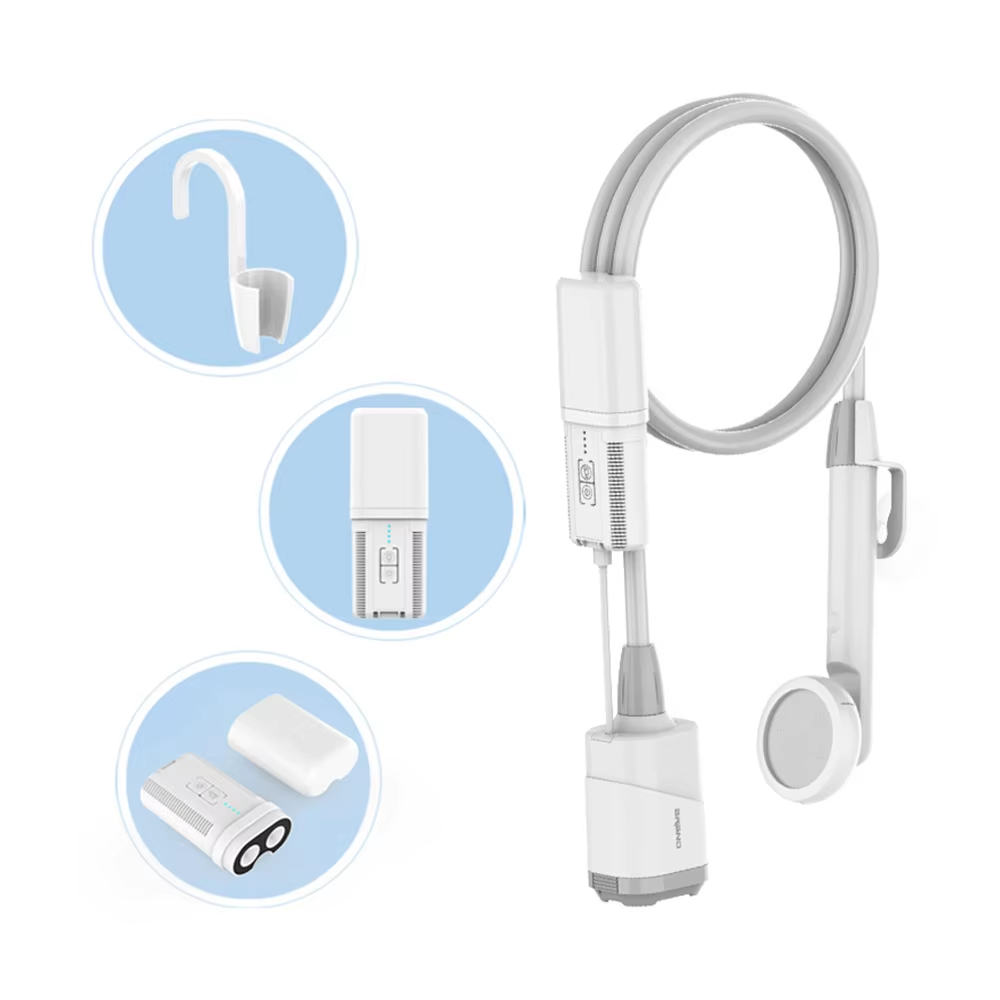
In temporary field bases, comfort systems must be portable, durable, and easy to deploy. A camping shower meets that requirement while improving worker experience in locations lacking permanent plumbing. It is particularly effective for survey teams, inspection groups, and maintenance crews operating on rotation schedules. Reliable rinse access supports smoother shift transitions and better rest cycles.
When selecting equipment for these contexts, decision-makers often prioritize multipurpose value. A camping shower can serve hygiene needs, emergency rinse requirements, and light cleanup tasks for tools or boots. This versatility improves load efficiency without sacrificing user comfort. In constrained transport scenarios, that balance is highly valuable.
Overland travel, family camps, and emergency scenarios
For overland users and family groups, a camping shower reduces friction around basic care, especially when children or older adults are involved. Regular rinsing helps prevent discomfort spikes that can shorten trip duration or force unplanned route changes. It also supports better hygiene confidence when campsites are remote and facilities unavailable. Comfort confidence often determines whether people are willing to continue multi-day travel.
In emergency or disruption scenarios, a camping shower can restore dignity and routine when normal services fail. Even limited water throughput provides meaningful relief and helps maintain cleanliness standards in temporary shelters or isolated properties. This practical resilience role is often underestimated until infrastructure interruptions occur. In those moments, a camping shower becomes a high-value continuity tool.
FAQ
How often should a camping shower be used in remote locations?
Usage frequency depends on climate, activity intensity, and water availability, but daily light rinses are usually effective for maintaining comfort. In hot or high-dust environments, shorter and more frequent sessions can outperform infrequent longer washes. The key is consistency so sweat and debris do not accumulate to the point of irritation. A regular camping shower routine supports comfort stability across the full trip.
Can a camping shower help reduce fatigue during multi-day outdoor work?
Yes, a camping shower can reduce perceived fatigue by improving post-activity recovery and sleep readiness. Washing away sweat, dust, and heat load helps the body cool and reset before rest periods. That physical reset often improves next-day focus and movement comfort. For field teams, this translates into steadier performance over consecutive workdays.
Is a camping shower still useful when water supply is limited?
A camping shower remains useful under limited water conditions because controlled flow allows targeted cleaning with less waste. Strategic rinsing of high-friction or high-exposure areas can deliver strong comfort benefits with modest volume. When integrated into a water budget, it supports hygiene without compromising drinking and cooking priorities. Efficient use is more important than high volume.
What makes a camping shower more than a convenience item?
A camping shower becomes essential when remote duration, workload, or weather stress increases. It protects hygiene standards, supports morale, and strengthens recovery routines that keep people functional. In B2B and industrial contexts, these effects influence productivity, risk, and operational continuity. That is why a camping shower is often treated as part of core field infrastructure.