
 EN
EN
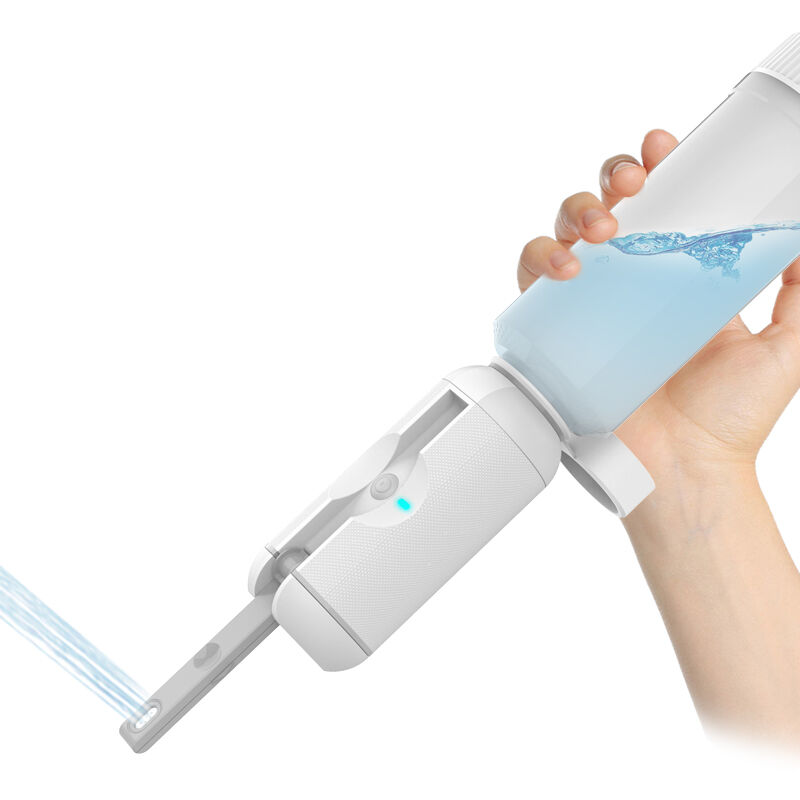
Selecting the right handheld bidet for your bathroom setup requires careful consideration of multiple factors that will directly impact your daily hygiene routine and overall satisfaction. The decision-making process involves evaluating your specific bathroom configuration, water pressure requirements, installation preferences, and personal comfort needs to ensure optimal functionality and long-term value.
The selection process becomes more straightforward when you understand the key technical specifications, compatibility requirements, and practical considerations that distinguish one handheld bidet from another. Your bathroom's existing plumbing infrastructure, available space, and user demographics will significantly influence which type of handheld bidet will provide the best fit for your specific situation and usage patterns.
Understanding Your Bathroom Configuration Requirements
Assessing Available Installation Space
Your bathroom's physical layout plays a crucial role in determining which handheld bidet will work best for your setup. Measure the distance between your toilet and the nearest water source, as this will influence whether you need a model with an extended hose or a more compact design. Consider the clearance space around your toilet, including any cabinets, walls, or fixtures that might interfere with the handheld bidet's operation or storage when not in use.
The mounting location for your handheld bidet requires careful evaluation of wall space, accessibility, and user convenience. Some models require dedicated wall mounting brackets, while others can be integrated with existing toilet fixtures or stored in nearby storage solutions. Evaluate whether your preferred mounting location will provide easy access for all household members while maintaining a clean, organized appearance in your bathroom.
Evaluating Existing Plumbing Infrastructure
Your current plumbing setup will determine the installation complexity and compatibility of different handheld bidet models. Check whether your toilet has existing connection points that can accommodate a handheld bidet attachment, or if you'll need to install additional plumbing connections. The water pressure and temperature control capabilities of your existing system will also influence which type of handheld bidet will function optimally.
Consider the age and condition of your bathroom's plumbing when selecting a handheld bidet, as older systems may have pressure limitations or compatibility issues with certain models. Modern handheld bidet systems often include pressure regulation features, but understanding your baseline water pressure will help you choose a model that works effectively within your system's capabilities without requiring extensive plumbing modifications.
Analyzing Technical Specifications and Performance Features
Water Pressure and Flow Control Systems
The water pressure control mechanism is one of the most critical features to evaluate when selecting a handheld bidet for your bathroom setup. Look for models that offer multiple pressure settings or variable pressure control, allowing users to customize the water flow intensity based on personal preference and comfort level. Some handheld bidet models include built-in pressure regulation systems that automatically adjust to your home's water pressure.
Flow control features should include both pressure adjustment and spray pattern options to accommodate different cleaning needs and user preferences. Advanced handheld bidet models offer multiple spray modes, including gentle streams for sensitive users and more focused patterns for thorough cleaning. Consider whether the pressure control mechanism is easily accessible and operable with one hand during use.
Nozzle Design and Adjustment Capabilities
The nozzle design significantly impacts the effectiveness and user experience of your handheld bidet. Evaluate models with adjustable nozzle angles that can be positioned for optimal coverage and comfort during use. Self-cleaning nozzle features help maintain hygiene and reduce maintenance requirements, while retractable designs protect the nozzle when not in use.
Consider the nozzle material and construction quality, as these factors affect durability and long-term performance. Stainless steel or high-quality plastic nozzles typically offer better longevity and easier cleaning compared to lower-grade materials. The nozzle should provide consistent water distribution and allow for precise targeting without requiring excessive adjustment during use.
Matching User Needs with Handheld Bidet Features
Accommodating Different User Demographics
When selecting a handheld bidet for your bathroom setup, consider the diverse needs of all household members who will be using the device. Elderly users may require models with larger, easier-to-grip handles and simplified control mechanisms, while families with children need handheld bidet options with gentle pressure settings and intuitive operation. The ergonomic design should accommodate users with varying mobility levels and hand strength.
Multi-user households benefit from handheld bidet models with memory settings or quick-adjust features that allow different users to easily switch between preferred pressure and temperature settings. Consider whether the model includes safety features such as temperature limits or pressure caps that prevent accidental settings that could cause discomfort or injury to sensitive users.
Special Use Case Considerations
Evaluate whether your handheld bidet selection needs to accommodate special use cases such as post-surgical care, mobility assistance, or infant care. Some handheld bidet models include specialized attachments or gentler spray settings designed for medical or therapeutic applications. These features can be particularly important if household members have specific health conditions or mobility limitations that affect bathroom independence.
Consider the versatility of the handheld bidet for applications beyond personal hygiene, such as bathroom cleaning, pet washing, or cloth diaper rinsing. Multi-purpose functionality can add significant value to your investment while reducing the need for additional bathroom equipment. Ensure that any multi-use features don't compromise the primary hygiene function or create hygiene concerns.
Installation and Maintenance Considerations
Installation Complexity and Requirements
The installation process varies significantly between different handheld bidet models, ranging from simple toilet attachment systems to more complex wall-mounted units requiring plumbing modifications. Evaluate your DIY skills and available tools against the installation requirements of your preferred handheld bidet model. Some units can be installed in under an hour with basic tools, while others may require professional plumbing assistance.
Consider the reversibility of the installation process, especially in rental properties or situations where you may need to remove the handheld bidet in the future. Models that attach to existing toilet fixtures without permanent modifications offer more flexibility, while integrated systems may provide better performance but require more commitment to the installation location.
Long-term Maintenance and Durability Factors
Maintenance requirements should factor into your handheld bidet selection process, as some models require more frequent cleaning or component replacement than others. Look for designs with easily accessible components for cleaning and maintenance, and consider the availability and cost of replacement parts. Models with self-cleaning features or antimicrobial surfaces can reduce ongoing maintenance burdens.
Evaluate the build quality and warranty coverage offered with different handheld bidet models to ensure long-term value and performance reliability. Higher-quality materials and construction typically translate to longer service life and fewer maintenance issues, but may require a higher initial investment. Consider the manufacturer's reputation for customer support and parts availability when making your selection.
Budget and Value Assessment
Initial Cost Versus Long-term Value
Handheld bidet pricing varies considerably based on features, build quality, and brand reputation, making it important to balance initial cost against expected long-term value and performance. Entry-level models may offer basic functionality at lower prices, but could require more frequent replacement or provide less satisfying user experiences. Premium handheld bidet options typically include advanced features and better durability but require higher upfront investment.
Consider the total cost of ownership, including installation expenses, ongoing maintenance costs, and potential water usage changes when evaluating different handheld bidet options. Some models include energy-efficient features or water-saving technologies that can provide long-term utility cost benefits, offsetting higher initial purchase prices over time.
Feature Priority and Budget Allocation
Determine which handheld bidet features are essential versus nice-to-have based on your specific needs and budget constraints. Core functionality such as reliable water pressure control and durable construction should take priority over advanced features like heated water or electronic controls if budget is a primary concern. Create a feature priority list that aligns with your budget to guide your selection process.
Consider whether investing in a higher-quality handheld bidet model now will provide better long-term satisfaction and value compared to purchasing a basic model and potentially upgrading later. Factor in the costs and inconvenience of future replacement when making your initial investment decision, as quality models often provide years of reliable service.
FAQ
What water pressure is required for a handheld bidet to work effectively?
Most handheld bidet models work effectively with standard residential water pressure between 20-80 PSI. If your home has low water pressure, look for models with built-in pressure amplification features or consider installing a pressure booster. High-pressure systems may require models with pressure regulation to ensure comfortable use.
Can I install a handheld bidet in any bathroom configuration?
Handheld bidet installation is possible in most bathroom configurations, but the specific model and installation method may vary based on your plumbing setup and available space. Wall-mounted units require adequate wall space and access to water lines, while toilet-attached models need compatible toilet fixtures. Consult with a plumber if you're uncertain about compatibility with your specific bathroom setup.
How do I maintain hygiene with a handheld bidet system?
Maintain handheld bidet hygiene through regular cleaning of the nozzle and handle with appropriate disinfectants, ensuring proper storage when not in use, and replacing components according to manufacturer recommendations. Many modern handheld bidet models include self-cleaning nozzles and antimicrobial surfaces to reduce maintenance requirements while maintaining optimal hygiene standards.
What features should I prioritize for elderly or mobility-impaired users?
For elderly or mobility-impaired users, prioritize handheld bidet models with ergonomic grips, lightweight design, simple controls, and gentle pressure settings. Look for models with easy-reach mounting positions, large control buttons or levers, and safety features such as temperature limits. Consider models with extended hoses for easier positioning and use from various angles.